
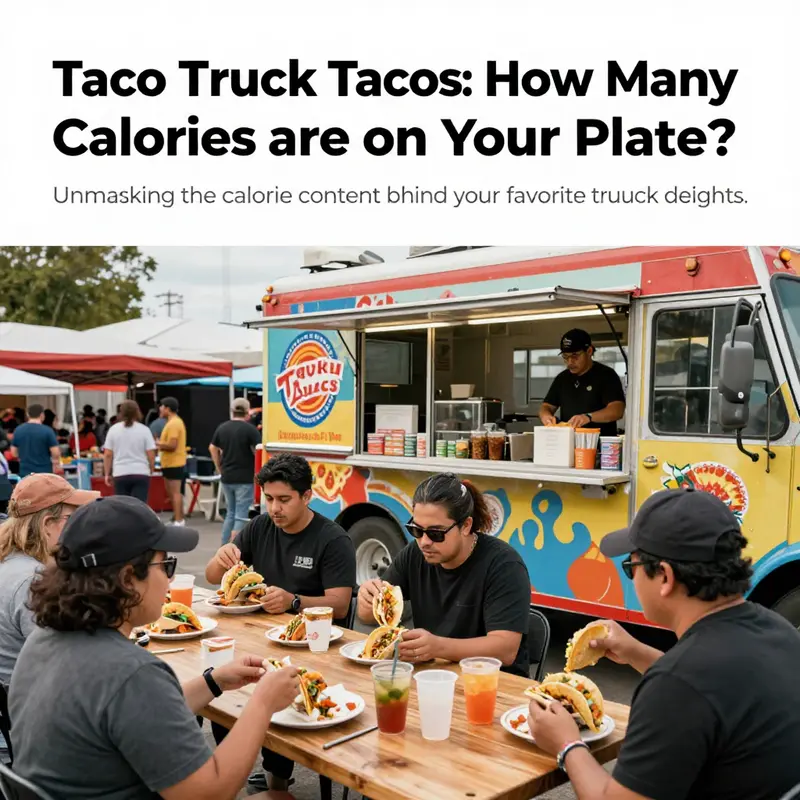
Taco trucks have taken the food scene by storm, offering diverse and mouthwatering options that tantalize your taste buds. But as lovers of all things taco, it’s important to understand not just the flavors but also the fuel these tasty creations provide! Each taco tells a story, not just through its ingredients but also through its calorie count. Whether you’re savoring a spicy chicken taco, indulging in a cheesy beef version, or opting for a delightful vegetarian treat, the calorie content can vary significantly based on the fillings, portion sizes, and preparation methods. In this flavorful journey, we’ll delve into three enriching chapters that will explore the estimation of calories in popular taco options, how portion sizes affect calorie counts, and the various factors that influence the nutritional content of these delectable street eats. Are you ready to feast your eyes on the nutritional side of taco truck delights?
Estimating Calories on the Road: Chicken, Beef, and Vegetarian Taco Truck Tacos
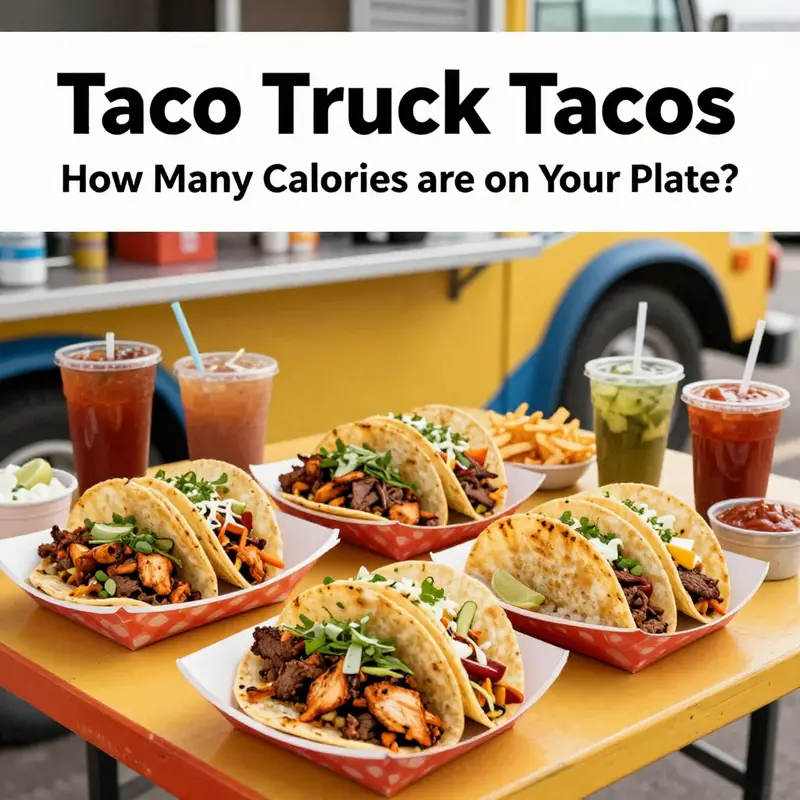
Taco trucks move through neighborhoods with the same unpredictability that makes their food so alluring. The sizzling sound of meat on a grill, the aroma of warm tortillas, and the sudden cacophony of salsa and lime create an experience that draws people in from blocks away. Yet for anyone watching calories, this mobile dining scene presents a persistent question: how many calories does a taco truck taco actually contain? The short answer is deceptively simple and almost always insufficient. The long answer depends on a mosaic of choices: the type of taco, the tortilla style, the size of the portion, and the toppings that riders request or that the cook adds by default. In other words, the calorie count for a taco truck taco is not a fixed line on a menu; it is a living number that shifts with the day, the vendor, and the personal customization that comes with street grub.
Across a broad spectrum of menus, general estimates place a basic chicken taco—soft corn tortilla, grilled chicken, some vegetables—around 150 to 200 calories. A classic beef taco, more likely to be served in a hard-shell format with ground beef and cheese, tends to land around 250 to 300 calories. Vegetarian options, often built on bean purées, avocado sauces, and a mix of vegetables, typically come in roughly 180 to 220 calories. These ranges align with the intuitive sense that a small, simple, single-tortilla item should be modest in energy. They also acknowledge a crucial caveat: real-world portions can stray far from these figures when cooks adjust quantities or when toppings accumulate. A handful of cilantro and a splash of salsa may have little impact, but a generous amount of cheese, crema, or avocado sauce can push a single taco into a significantly higher calorie territory. The variability is the essence of street food nutrition, and it can be a welcome reminder that the numbers are better used as guides than as absolutes.
What happens when we turn to more granular data? A detailed analysis of a specific taco-serving scenario reports Basic Chicken Tacos at 933 kcal per serving, with a macronutrient mix that includes about 53.74 g of protein, 32.58 g of fat, and 118 g of carbohydrates. Those numbers are striking because they exceed the simple, single-taco estimates many people rely on. They likely reflect a serving that includes multiple tacos, or a plate with generous fillings, condiments, or sides that accompany the order. In other words, the 933 kcal figure can be understood as a snapshot of a particular configuration—perhaps a larger portion, perhaps a plate designed for sharing, or a meal that combines several tacos with sauces and accompaniments. It’s a vivid reminder that a dataset can illuminate what is possible under certain serving conditions, even if it cannot be read as a universal standard for every taco on every truck.
Beef tacos, while not exhaustively tabulated in the same dataset, are typically treated as a close variant of the chicken-based template. In practice, a beef taco may weigh in with similar energy content if the fillings and portions align. However, the precise calories hinge on the fat content of the beef, the amount of cheese, and whether the shell is soft or hard. A beef taco that uses lean ground beef with modest cheese and standard toppings may hover near the chicken’s mid-to-upper range but could tilt higher if extra cheese or a robust sauce is used. The takeaway is not a single numeric value but a principle: beef tacos can be similar in energy to chicken tacos when portions and ingredients align, yet the exact count will vary with the day’s recipe and the customer’s preferences.
Vegetarian tacos present their own unique considerations. The base data set lists a basic vegetarian taco at around 183 kcal, which likely represents a single tortilla with a modest plant-based filling. Vegetarian fillings often rely on beans, vegetables, and perhaps a modest amount of cheese or avocado. When those components are produced in typical street-shop fashion, a vegetarian taco can stay within a similar energy envelope to its meat-based counterparts, sometimes dipping into the lower end if fillings are lean and toppings restrained. Yet vegetarian options can surprise with energy if the fillings lean toward dense, energy-rich ingredients such as generous cheese, heavy avocado sauces, or spoonfuls of oil-based toppings. The lesson remains consistent: with street-ready food, the energy count is a function of portion size and component choices as much as it is of the category (chicken, beef, or vegetarian).
So, how should a consumer or a menu operator think about these numbers in the wild, where portions differ and customization is the rule rather than the exception? The most reliable approach is to seek out the vendor’s nutrition facts or ingredient statements. The food-truck ecosystem thrives on speed and flavor, but that speed does not preclude transparency about calories, especially for customers who monitor intake or have dietary restrictions. The numbers in the datasets offer valuable signposts, but they cannot capture every permutation of a live kitchen. A practical framework emerges from this reality: estimate by breaking the taco into its building blocks, then reassemble the energy sum with an eye on portion sizes and the likelihood of additions.
Deconstructing a taco into components provides a useful method for making sense of energy content without requiring a full nutrition label for every truck. Start with the tortilla, often the largest integral calorie contributor in many taco builds. A single soft corn tortilla roughly contributes 50 to 60 calories, though thicker or fried shells can increase that number. Then consider the protein source. Three to four ounces of cooked chicken can provide approximately 120 to 180 calories, depending on the cut and any skin or marinades that may have carried through cooking. Beef brings a slightly different profile; ground beef, depending on fat content, may add around 170 to 230 calories for the same portion size. Plant-based proteins, such as beans or lentils, typically supply 120 to 180 calories for a comparable portion, though the exact energy depends on preparation methods and whether oil was used in cooking. Cheese often makes a difference as well, with around 70 to 100 calories per ounce. Avocado or avocado-based sauces contribute roughly 60 to 90 calories per 2 tablespoons, while crema or sour cream can add 20 to 60 calories per tablespoon, based on fat content. Add-ons that many riders overlook but that punch the calories include generous amounts of oil used in cooking or finishing, the amount and type of salsa, and any garnishes such as guacamole or pico de gallo that are served in abundance.
When you assemble these components into a rough estimate, the math becomes approachable rather than intimidating. Imagine a lean setup: a soft corn tortilla at about 60 calories, 3 ounces of grilled chicken at roughly 120 to 150 calories, a modest layer of cheese at 70 calories, a light drizzle of avocado sauce around 60 calories, and a handful of vegetables with a splash of salsa that together account for about 20 calories. The total lands near 370 to 420 calories for a single taco, a believable mid-range that matches the intuition many diners use when counting calories on the go. If the taco switches to a hard shell and adds average amounts of cheese and crema, it’s reasonable to expect a bump into the 450 to 500 calorie range. A more generously topped version, with extra crema or sour cream, can climb even higher. Conversely, a very lean build—minimal cheese, light sauce, and a slim portion of protein—might hover closer to 300 calories per taco. These scenarios illustrate how a single item can swing by dozens of calories depending on how it is prepared and served.
It is also important to scale this thinking to a meal. Street meals often come with sides or multiple tacos. A common street meal may include two or three tacos plus a side like beans or rice, or a handful of tortilla chips. In such contexts, the energy content is not just the sum of one taco’s calories, but a little more than that, depending on the sides and how many tacos you choose to combine. In some cases, three modest-topped tacos plus a small side can approach or exceed 600 calories. In other situations, a minimalist choice—one lean taco plus a side of vegetables—could remain well under 500 calories. The broader point is clear: when you step away from a single, basic taco and consider a full street meal, the calories escalate in a way that aligns with appetite, not with fixed numbers.
For readers who want to reason responsibly about nutrition while enjoying the experience of street food, there is value in linking data to practice. If you are a curious consumer who enjoys exploring the culinary landscape, you may find it helpful to consult accessible sources that discuss how operators balance flavor, cost, and nutrition while maintaining efficiency on the street. A prominent internal resource, the Fire Up Taco Truck blog, offers perspectives on menu design, price considerations, and customer expectations that can illuminate how nutrition data threads through day-to-day decisions in a mobile kitchen. You can explore this repository to glean broader context about how operators structure offerings on busy nights and how small adjustments in serving size and ingredient choice ripple through calories and taste. Fire Up Taco Truck blog.
All of this points to a practical conclusion: there is no single, universal calorie count for a taco truck taco. The ranges—roughly 150–200 calories for a basic chicken taco, 250–300 for a classic beef taco, and 180–220 for a vegetarian taco—provide baseline expectations for quick judgments when you are deciding what to order. Yet the detailed results show a broader spectrum that can apply when portions are larger or toppings accumulate. When you want a precise answer, turn to the vendor’s nutrition statements or ask for a breakdown of the components. If you are planning meals, prepare to adjust estimates for two important realities of street food: portion size varies, and toppings accumulate quickly. The interplay of these two factors will often determine whether a taco truck meal is a light bite or a more substantial, energy-dense option. And that is the essence of understanding calories in taco truck tacos: a balance of structure, size, and appetite, all conducted on the fly in a bustling mobile kitchen.
External reference for further verification and solid grounding in foundational nutrition data can be found at widely used national dietary databases, such as the USDA Food Data Central, which provides a comprehensive framework for energy and macronutrient counts across ingredients commonly used in taco fillings. This resource can help readers refine their own component-based estimates and compare them against standardized nutrient profiles when planning meals on the go. https://fdc.nal.usda.gov
Portion Power: How Taco Truck Size Shapes the Calorie Toll on Your Plate
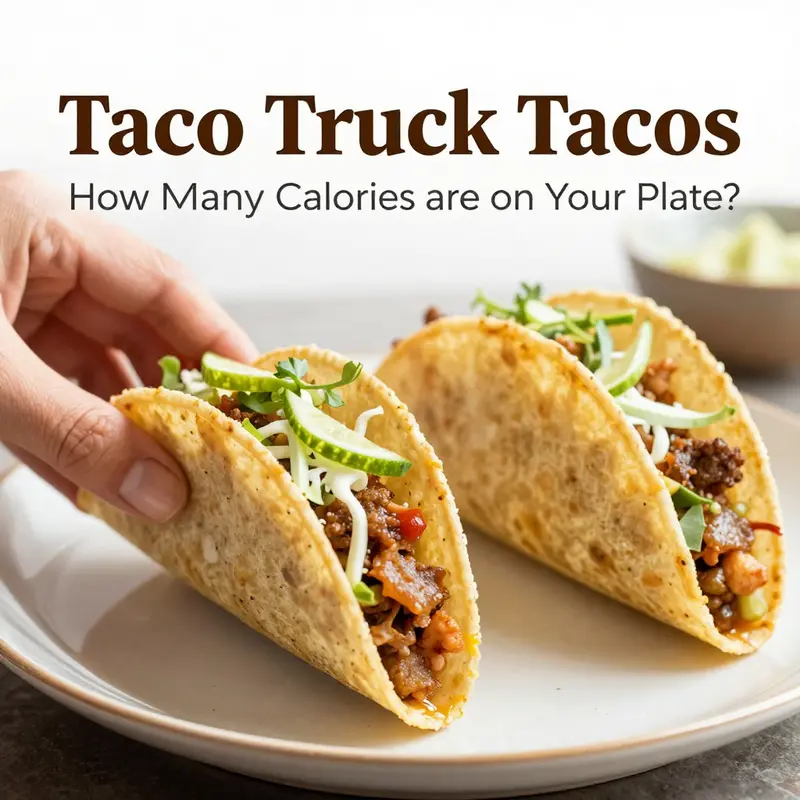
Taco truck culture invites a quick bite, a burst of flavors, and a sense that you’re tasting something freshly made and a little adventurous. But beneath the sizzle and the vibrant toppings lies a straightforward arithmetic: the size of what you grab directly shapes the calories you take in. In a setting where portions can be generous and customization is the norm, understanding how size translates to calories helps everyone—diners and operators alike—make more informed choices without losing the appeal of street food. The basic estimates from common menu items show a wide range, underscoring how variable this world is. A basic chicken taco with a soft corn tortilla and grilled chicken plus vegetables tends to land around 150 to 200 calories. A classic beef taco with a hard shell, ground beef, and cheese often clocks in around 250 to 300 calories. A vegetarian taco built on bean puree, avocado sauce, and vegetables typically sits in the 180 to 220 calorie neighborhood. And there’s a further twist: pre-packaged taco mixes marketed to food trucks can contribute additional calories per serving, with around 60 calories per three tablespoons of dry mix, accompanied by a macronutrient profile that leans toward higher protein. Those numbers offer a useful starting point, but they don’t capture the full story. In practice, the calorie count of any given taco is the product of its ingredients and, importantly, the portion size of each component. A truck that stacks on extra meat, adds a generous helping of cheese, or ladles on sour cream or guacamole will push a seemingly modest taco well beyond its basic baseline. The tortilla itself is not a neutral carrier; it is a substantial chunk of calories, protein, and starch that sets the stage for everything that follows. The tortilla’s size and type—whether corn or flour—exert a predictable effect on the total, and the experience of eating a taco is shaped by this backbone as much as by the toppings. In this sense, portion power is really about how much plate, how much bite, and how much flavor you want encased in that familiar fold.
To understand this more clearly, it helps to visualize a few common assembly patterns on the street. Start with tortilla size: a small corn tortilla, typical of many traditional setups, might contribute roughly 50 to 60 calories on its own. A larger corn tortilla or a soft flour wrapper can swing that tortilla contribution toward 70 to 110 calories. When a taco truck scales up the tortilla, the entire calorie tally shifts, even if the fillings remain the same. If a truck doubles down on shrimp or pork, if the meat is marinated and then piled on with extra scoops, the calories can climb by 100 or more with each additional tablespoon of sauce or cheese. The same logic applies to toppings; a dollop of sour cream, a spoonful of guacamole, or a mound of shredded cheese each adds a measurable calorie load. Even vegetables, while relatively low in calories per bite, contribute to the total when served in larger quantities, especially when they’re sautéed or roasted in oil.
From a culinary perspective, the most common baseline figures provide a helpful frame. For a single taco, a basic chicken option with vegetables might hover in the 150–200 calorie range, as noted earlier. But if you add cheese, sour cream, or a more generous portion of avocado-based toppings, you’ll see a noticeable bump. A beef taco with cheese and sour cream can easily pass the 400-calorie mark, especially when the shell is larger or firmer and the beef portion is substantial. A vegetarian taco that leans on bean puree and avocado sauce typically remains within a mid-range band, but there’s still room to rise with toppings such as cheese or higher-calorie sauces. The takeaway is simple: the more you stack—whether by meat, dairy, or oil-based toppings—the higher the calorie count climbs, and the size of the tortilla acts as a multiplier that can amplify the impact of every other choice.
On the street, the practical reality is that most customers order multiple tacos per visit and often pair them with sides like chips or a sugary beverage. This pattern compounds the calorie total quickly. Two tacos that sit around 300 calories each, plus a side and a drink, can easily push a meal into the 700–1000 calorie range, even before any extra toppings or sauces are factored in. Those who choose a vegetarian option might land closer to 450–500 calories for a two-taco meal, depending on the exact toppings and portion sizes. The dynamic is clear: portion sizes don’t exist in isolation; they multiply across components of a meal and across purchasing habits.
Tortilla size deserves special attention because it sits at the intersection of tradition and appetite. When a truck uses a standard corn tortilla, you’re looking at a modest calorie start. If the provider offers a larger tortilla, or if there’s a switch to a flour tortilla with a puffier, bread-like texture, the calories creep up even before you add fillings. For many customers, the tortilla is the canvas that silently sets the scale. The choice between corn and flour is not just about taste or texture; it’s a tangible calorie decision—roughly 40 to 70 calories on average from the tortilla alone when comparing small corn to a larger flour wrapper.
The composition of fillings further shapes the total. A typical small serving of grilled chicken can contribute roughly 120 to 150 calories, depending on the cut and seasoning. Beef, being more calorie-dense per ounce, can add 140 to 180 calories for a modest portion, while beans and vegetables, the heart of vegetarian options, often contribute less per unit but can accumulate calories if prepared with oils or high-fat toppings. Cheese adds about 50 to 100 calories per taco, depending on the amount and type. Sour cream adds roughly 60 to 120 calories per serving, while guacamole—rich in fats from avocado—can add 80 to 150 calories. Even salsa or pico de gallo, usually lower in calories, may nudge the total upward if served in generous scoops or if oil-based dressings are involved.
In practice, a typical beef taco with a modest cheese layer and a light touch of sour cream might land around the 350 to 450 calorie range for a standard size. If a truck wheels out a larger shell, or if it intentionally tucks in extra meat and cheese to satisfy a bigger appetite, it is not unusual to see a single taco creep toward 500 calories or more. Conversely, leaner preparations—especially chicken or fish with abundant vegetables and minimal cheese or dairy—can pare back toward 250 to 350 calories in a larger tortilla scenario. The same logic applies to vegetarian builds: beans or legumes braided with vegetables and moderate toppings can stay in the 250 to 350 calorie range for a larger taco, but add sauce, cheese, or heavy oils, and that total can climb quickly toward 400 or more.
From a consumer lens, the practical implication is that every choice interacts with size. If you choose two tacos with robust fillings, the tortilla’s size becomes a multiplier that magnifies the impact of your selection. If you’re watching portion control, you may opt for smaller tortillas or lighter toppings, or you might decide to pair a modest taco with a larger side of vegetables rather than fried chips. For those who crave the full flavor experience, you can recognize that the same menu item may yield a different caloric result simply by how large the tortilla is and how generously toppings are applied. In other words, portion size is not a mere backdrop; it is an active determinant of the meal’s energy content.
A practical takeaway for anyone navigating a taco truck menu is to ask questions and to visualize portions. How many ounces of protein are in the taco? Is the tortilla a small corn, a larger corn, or a flour wrapper? How much cheese, sour cream, or guacamole is included by default, and is there an option to reduce or remove these? These questions help translate a menu item into a calorie estimate without needing a nutrition label for every vendor. And for those who want a quick rule of thumb: treat the tortilla like a standard 50 to 70 calories baseline for corn or 90 to 110 calories for a larger flour option, then add the fillings’ approximate contributions. Haloed by toppings, a well-constructed portrait emerges: a taco is more than its core ingredients; it is a small, controllable bundle of calories shaped by size, choice, and method of preparation.
For readers seeking practical guidance and deeper context, there is a helpful resource that explores how food trucks approach menus and healthier options more broadly. The Fireduptacotruck blog offers a perspective on menu structure, customer expectations, and how operators balance flavor with nutrition in a fast-moving environment. You can explore that discussion here: Fireduptacotruck blog.
In addition to understanding the influence of size and construction on calories, it helps to anchor these considerations within broader dietary guidelines that emphasize balanced choices without prescribing deprivation. The Centers for Disease Control and Prevention provides dietary guidelines that highlight reasonable calorie targets and emphasize variety, nutrient density, and moderation—principles that apply whether you’re eating at a taco truck or at home. For readers seeking a broader framework, the CDC resource offers evidence-based guidance that can inform your on-the-go decisions without sacrificing the joy of street-style meals. See the CDC Dietary Guidelines for more details: https://www.cdc.gov/nutrition/data-and-reports/dietary-guidelines.html
The overarching picture becomes clearer when we connect portion size to everyday choices. A single, well-constructed chicken taco with a modest tortilla may be a reasonable lunch option around 180 to 240 calories, depending on toppings and oil used in cooking. A two-taco combo, carefully built, could range from about 350 to 600 calories before sides. Add a small side of chips and a soda, and you might cross into the 800 to 1100 calories zone, which is substantial for a single meal but still within the range of typical fast-casual and street-food experiences. The variability is part of the story: trucks respond to customer demand for flavor and value, often balancing portion size with price and perceived satisfaction. In this sense, portion control becomes a dynamic element of a wider conversation about health, indulgence, and personal choice rather than a rigid rulebook.
This complexity also points to an area where awareness benefits both diners and operators. If customers understand how size and toppings drive calories, they may be more deliberate about what they order, perhaps choosing smaller tortillas, lighter toppings, or fewer high-calorie sauces on some days and enjoying a richer combination when they’re in the mood for a larger treat. Operators, for their part, can use this knowledge to craft menus that offer clearly labeled options and a spectrum of size and topping choices without compromising flavor. A few practical strategies emerge for those seeking healthier or more controlled portions in the taco truck setting: offer a standard small-tortilla option as a base, clearly present more generous toppings as premium add-ons, and communicate whether a given taco uses corn or flour tortillas and the approximate calorie range associated with that choice. The goal is not to micromanage every bite but to empower customers to build meals that align with their daily energy targets while still enjoying the vibrant, crowded street-food experience.
As you reflect on portion size and calories, remember that the numbers above are estimates. Real-world counts depend on the specific vendor, the exact recipe, how the food is prepared, and even how the toppings are portioned at the peak of a busy service. The numbers give a workable framework for comparison and planning, but they are not exact nutrition labels. To compare across trucks, a quick mental model can help: start with the tortilla as a baseline, adjust upward for extra meat or cheese, and then add or subtract calories based on sauces and dairy products. If you’re planning a meal with two or more items, consider the combined effect rather than treating each item in isolation. In the end, portion size is a practical, accessible lever you can use to influence calories without losing the sensory joy of a well-made taco from a cart that knows its craft.
To deepen your understanding and find further practical tips on navigating food-truck menus, you can explore additional reading and resources. For instance, the broader site offers insights into how to assess nutrition and portion choices while keeping the experience enjoyable and affordable. And when you’re ready to broaden your knowledge beyond tacos, there are handy guides on how food trucks structure their offerings, maintain operations, and adapt to dietary preferences—all of which circle back to the simple truth that portion size matters more than it might appear at first glance.
The takeaway is straightforward: portion size matters a lot in the calorie equation for taco truck tacos. The tortilla provides a base level of calories, and the rest of the toppings and fillings layer on top in a predictable, if variable, way. Recognizing this helps you make informed choices, whether you’re budgeting calories for the day or simply chasing a satisfying meal that won’t derail your dietary plans. It also supports operators who want to communicate clearly with customers about what goes into each taco, so diners can enjoy the flavors they crave without unintentionally overdoing it. In the shifting landscape of street foods, where customization is king and portions come in a spectrum, the simple act of paying attention to size can make a meaningful difference in the overall nutritional picture of your taco truck experience.
Why Taco Truck Calories Fluctuate: Ingredients, Prep, and Portion Patterns
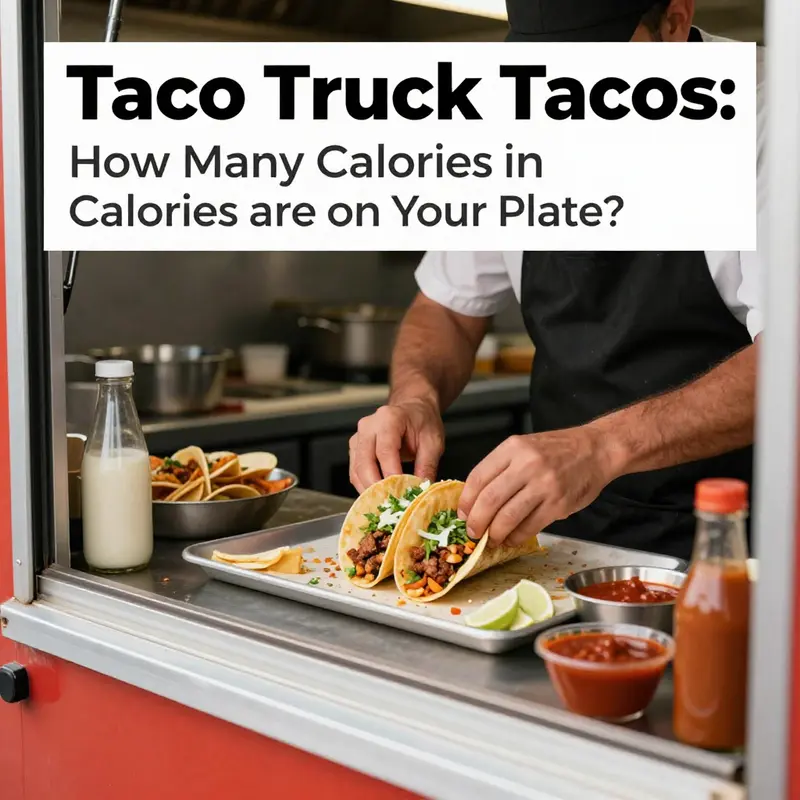
Understanding the calorie range of a taco truck taco means looking beyond the label and into how each component and cooking choice influences energy density. A taco is a compact assembly of tortilla, protein, toppings, and sauces, and small shifts in any element can change the total caloric load by around a hundred calories or more. This chapter highlights the key drivers of variation—proteins, tortillas, toppings, cooking technique, portioning, and ingredient sourcing—and shows how to predict, compare, and make smarter choices when ordering from a truck.
Proteins are the single largest determinant of a taco’s calorie count. Common street options—carne asada, al pastor, carnitas, shredded chicken, and vegetarian fillings—carry distinct caloric footprints because of their differing fat and moisture content. Lean grilled chicken in a soft corn tortilla commonly lands around 150-200 calories. Ground beef in a hard shell with cheese pushes into the 250-300 calorie range. Carnitas and al pastor, often cooked with more fat or from fattier portions, increase calories further in the same size taco. Vegetarian fillings such as seasoned beans, grilled vegetables, or plant-based crumbles vary widely: a simple black bean puree offers moderate calories with high fiber, while fried tofu or oil-rich plant-based meats can raise the count. Calories follow fat and portion: two ounces of a fatty pork will be noticeably denser in energy than the same weight of shredded chicken.
Tortilla type and size: A small two-tortilla system one soft corn tortilla or a single small flour tortilla may add only 50-100 calories. A large flour tortilla or a fried tortilla shell adds significantly more, sometimes 150-200 calories by itself. Corn tortillas generally have fewer calories and more fiber per ounce than large flour ones, though recipes vary. Trucks sometimes make tortillas in-house and brush them with oil during warming; that step increases calories because fats add nine calories per gram. Even if the taco looks identical between trucks, differences in tortilla thickness and whether the tortilla was pressed with fat can result in meaningful caloric variation.
Toppings and sauces: Lettuce, tomatoes, onions, and pico de gallo add negligible calories while boosting volume; cheese, sour cream, crema, and guacamole add calories. A tablespoon of sour cream can add 30-60 calories; two tablespoons of guacamole can add 50-100 depending on oil. Melted cheese or cotija adds flavor and fat. Sauces that are oil-based or mayonnaise-based will elevate calories more than water-based salsas. When a truck offers loaded options, expect the calorie count to soar.
Cooking methods: Grilling without added fat keeps calories lower than frying or pan searing in oil. Meats shallow- or deep-fried pick up oil that remains in the finished product. Lipids interact with starch during cooking and can change starch digestibility, altering how quickly glucose enters the bloodstream. The same tortilla cooked with oil may lead to a different glycemic response, which matters for those monitoring blood sugar even beyond raw calorie counts. Preparation methods can influence both the numeric calorie value and how the body processes them.
Portion size and serving style: Food trucks vary widely in how much protein or topping goes into a taco. One vendor’s taco may contain 1.5 ounces of meat; another’s may include 3 ounces plus a heap of cheese and crema. When a truck lists large or presents a thicker tortilla, assume more calories. Add-ons matter too side beans, rice, or chips and salsa can transform a single taco from a snack into a meal, often doubling total calories. Portions may skew larger than plate descriptions imply.
Ingredient sourcing and recipe traditions: Grass-fed or leaner cuts have different fat profiles than fattier cuts, marinades can add sugar or oil. A truck that prepares fillings from scratch may use less filler and fewer stabilizers than one using pre-seasoned mixes; this can translate to lower calories or higher if the kitchen uses butter and oil. Vegetarian fillings with fresh roasted vegetables and spices are usually lighter than those made with oil-rich sauces or heavy cheese. Vendors may use fats to carry flavor, trading authenticity for lower calories.
Macronutrient balance: Meat-based tacos often have higher protein and fat and lower carbohydrates, especially when served on corn tortillas. Vegetarian tacos built around legumes or starchy vegetables will include more carbohydrates and fiber, moderating glycemic response. When the fat proportion is high, energy density increases; fat provides nine calories per gram, compared with four for protein and carbs. A taco with guacamole and crema will be more calorie-dense than one with salsa and onions. The presence of fiber from beans and vegetables or a hearty tortilla slows digestion and can affect hunger.
Practical estimation: A basic chicken taco with soft corn tortilla, grilled chicken, salsa, and a small amount of onion and cilantro typically fits in the 150-200 calorie band. A classic beef taco with a hard shell, seasoned ground beef, and a slice of cheese sits near 250-300 calories. Vegetarian tacos vary widely; a bean-based taco with bright salsa may be 180-220 calories, while one finished with crema and extra oil could be higher. Recognize the pattern: protein choice, tortilla weight, fat-rich toppings, and cooking fats enable quick judgments.
Estimating at the truck: Visual cues and simple arithmetic help. First, estimate the tortilla: small corn around 50-70 calories, small flour 70-110, large flour 120-200, fried shell 150+. Next, judge protein weight and type: 1-2 ounces of lean chicken 50-80 calories, 1-2 ounces of fatty pork or beef 80-140, 1-2 ounces of cheese 60-120. Add toppings: a tablespoon of guacamole 25-50, a tablespoon of sour cream 30-60, a tablespoon of oil-rich salsa or crema 30-70. This rough checklist enables reasonable estimates without nutrition labels.
For operators and buyers, small changes in prep can deliver major calorie differences without sacrificing taste. Opt for grilling or braising with minimal added fat, offer tortillas warmed without oil, or let guests choose corn vs flour to control intake, and swap crema for a yogurt-based sauce for creaminess with fewer calories. Portion proteins with a scale or calibrated scoop to create consistency.
When calorie precision matters, the best source remains the vendor’s own information or lab analysis. Many trucks provide ingredient lists or estimates on request. For operators, standard recipes and portion control help customers and streamline cost tracking and waste reduction. For prospective truck owners, resources on choosing equipment, menu design, and portion control can be helpful; a vendor-focused guide on choosing the right food truck can also support menu logistics and layout.
Scientific note: research shows how lipid-rich cooking can alter starch digestibility, affecting glycemic response beyond calorie totals. Preparation methods such as oils used, whether a tortilla is fried, and cooking temperature influence both the numeric calorie value and physiological impact.
Practical takeaway: two trucks selling chicken tacos can be wildly different in calories and body response. One may emphasize lean proteins, fresh salsas, and simple corn tortillas to yield a snack of 150-180 calories. Another may use brushed tortillas, richer marinades, and added crema to yield 250-300 calories or more. If calorie control matters, ask for less cheese, skip crema, request a corn tortilla, or choose grilled over fried. Many vendors accommodate swaps to preserve flavor.
Bottom line: taco truck calories are a spectrum shaped by ingredient choices and techniques. Recognize levers—protein type, tortilla weight and treatment, toppings, cooking fats, portion size, and ingredient sourcing—and you can anticipate where a taco falls on the range. Use visual cues and simple math for quick estimates; for accuracy, ask the vendor or check menu information. For truck operators, standardize portions and clarify preparation to help customers make informed choices.
References: study on lipid and starch interactions in Food Chemistry: https://www.sciencedirect.com/science/article/pii/S0308814624027956
For operators and buyers considering truck selection, see a practical guide on choosing the right food truck: https://fireduptacotruck.com/choosing-the-right-food-truck/
Final thoughts
A taco truck taco is more than just a meal; it’s an experience packed with flavor and stories of culture, all while serving different nutritional needs. From the basic chicken and beef offerings to the vegetarian delights, each taco can be savored mindfully with a new understanding of its calorie content. As a taco fan or business owner, knowing how portion sizes and ingredient choices affect the nutritional profile empowers you to enjoy and serve tacos with confidence. Ultimately, the next time you find yourself at a taco truck, savor not just the flavors but also the calories. Let your taco choices reflect your cravings and nutritional goals, turning every bite into a celebration of taste!