
Launching a taco food truck offers more than just a chance to serve delicious food; it’s an invitation to be part of the vibrant culture surrounding this beloved cuisine. In cities like Austin, taco trucks have transformed into cherished local landmarks, often starting as small family ventures and evolving into community staples. This article is designed for cuisine lovers, taco enthusiasts, and aspiring taco entrepreneurs, blending insights across three key chapters. In the first chapter, we will explore the rich cultural tapestry that enhances the experience of managing a taco food truck, celebrating its role in diverse neighborhoods. The second chapter will outline the essential equipment and features necessary for success, ensuring safety and functionality on the road. Finally, we’ll discuss how to cultivate a dedicated customer community that not only enjoys your tacos but champions your journey. Together, these elements provide a comprehensive roadmap for anyone looking to take the leap into the world of taco food trucks.
Tacos on Wheels: How a Food Truck Becomes a Cultural Cornerstone
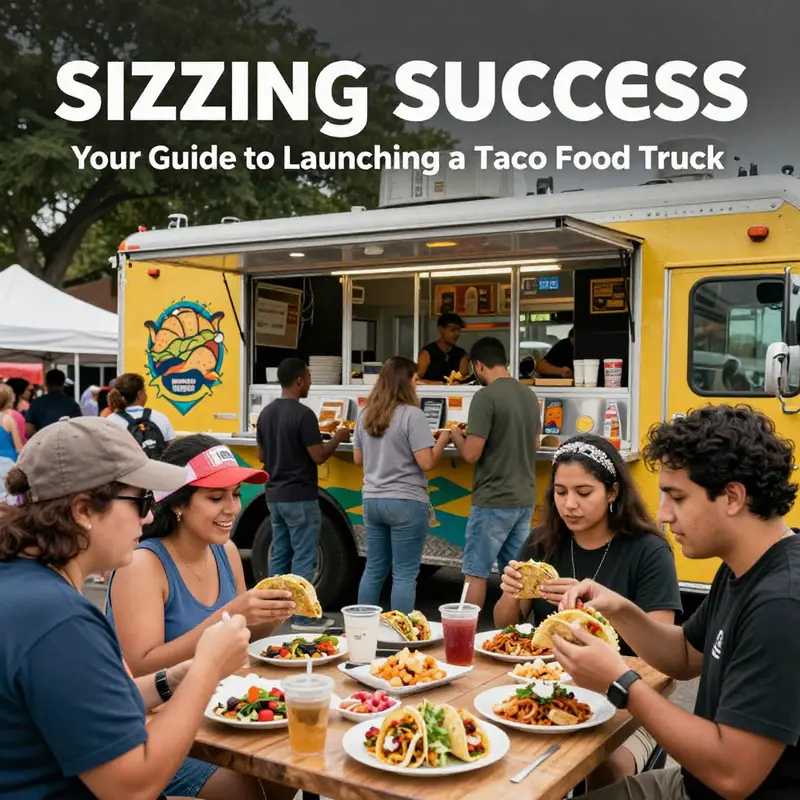
A taco food truck is rarely just a business. It is a moving social stage where food, memory, and identity meet. From a parked truck on a weekday lunch break to an evening line that snakes around a city block, these mobile kitchens turn ordinary urban spaces into communal places. They reshape how people interact with food and with one another. They translate heritage into taste, and taste back into stories that travel.
The cultural force of a taco food truck begins with its roots. Many successful trucks trace their origins to family recipes and small home kitchens. Those recipes carry specific regional cues—smoky adobo, citrus-marinated carne asada, the slow-spun sweetness of al pastor rotating on a spit. Serving them from a truck brings that heritage into public life. A street corner becomes a portable home, and customers become participants in a shared cultural ritual. Eating a taco from a vendor who learned the craft from a parent or grandparent connects patrons to a lineage. That connection is simple, but profound. It is about continuity: a scalable, mobile thread between place of origin and new neighborhoods.
Mobility is the second ingredient in the cultural recipe. A truck can move to where people are, and that movement changes how communities experience food. In some neighborhoods, a truck’s arrival is a regular event, like a market day or a favorite musician’s gig. In others, a truck brings novelty and discovery. This flexibility allows vendors to test new menus, learn customer preferences, and respond rapidly. It also democratizes access to authentic cuisine. Instead of requiring a trip to a specialized restaurant, delicious and culturally specific tacos can be found at a lunchtime lot or a late-night parking spot. Accessibility, paired with affordability, transforms food into a bridge across social and economic divides.
The truck itself shapes the experience. Its visual presence—hand-painted signage, a string of lights, the open window—creates a micro-stage. Customers line up and watch the cook work. They smell chiles and grilling meat. They hear the clatter of pans and the banter between staff and regulars. This sensory environment reinforces the social element of street food. People do not just buy a taco; they witness its creation and often converse as they wait. Vendors can become local storytellers, sharing the origins of a special salsa or a family technique. This direct exchange builds trust and loyalty. It turns repeat customers into ambassadors who recommend the truck to friends and strangers.
Taco trucks also influence the urban fabric. They reclaim underused urban pockets and animate them with commerce and culture. In cities where regulatory battles over street vending erupt, the debate often reflects broader social questions. City planners, residents, and politicians negotiate where trucks are allowed, and those negotiations expose tensions about public space, class, and cultural representation. When a taco truck becomes a neighborhood fixture, it can change perceptions of safety and vitality. A once-empty lot might become a hub of evening activity thanks to a truck’s regular presence. That change is not only economic. It reshapes how people imagine their city and who belongs in it.
The relationship between truck and neighborhood is reciprocal. A truck adapts its menu based on the crowd it serves. In a late-night district, offerings might skew toward bold, spicy, handheld tacos that satisfy after-bar cravings. Near office towers, trucks might emphasize speed, cleanliness, and customizable bowls for busy workers. In immigrant neighborhoods, a truck may preserve ancestral flavors with minimal alteration. This menu fluidity illustrates cultural adaptation. The truck carries tradition forward while negotiating the tastes of a diverse clientele. As a result, culinary fusion often occurs organically. New combinations emerge as cooks blend influences from their host city with the foodways of their childhood.
That fusion does not dilute authenticity; it extends it. A taco that includes a novel topping honors both origin and innovation. Customers appreciate that balance. Many taco truck operators describe their work as both preservation and experimentation. They safeguard certain techniques, such as slow-cooked barbacoa or the layering technique for a proper al pastor, while also testing new sauces inspired by local produce or customer requests. This duality allows trucks to speak to both longtime community members and curious newcomers. It cultivates an inclusive culinary language.
The cultural power of taco trucks also lies in their economic accessibility and social mobility. For many immigrants, a food truck is a pragmatic way to start a business. It demands less capital than a full restaurant and requires fewer layers of staffing and infrastructure. A truck can be a first step toward economic stability, allowing owners to earn wages, train employees, and refine systems. Over time, some operators open brick-and-mortar restaurants. Others remain mobile, choosing to scale through additional trucks or catering services. In any case, the truck becomes a vehicle for opportunity. It is a means to sustain a family and to carve out a place in a new city.
This entrepreneurial dimension amplifies cultural expression. Food becomes both product and narrative. A vendor’s menu can tell a migration story, map regional culinary practices, and highlight ingredients that defy mainstream grocery aisles. When vendors import particular spices or produce, or when they champion a forgotten cut of meat, they educate customers. The transaction at the window then carries educational value. Patrons learn about textures, flavor profiles, and the histories behind dishes. Over time, such education shifts public taste and influences other local restaurants.
The social function of taco trucks extends to celebration and protest. Trucks form the backbone of street festivals, block parties, and community gatherings. Their presence signals festivity. But trucks also appear in political spaces—serving food at rallies, fundraisers, and community meetings. In those contexts, food facilitates conversation and solidarity. A shared taco is a simple gesture that softens debate and fosters camaraderie. Vendors often support local causes, donate meals for fundraisers, or lend their platform to amplify underrepresented voices. In doing so, they anchor themselves as community institutions, not merely purveyors of food.
Technology has layered new meanings onto the taco truck experience. Digital payment systems, social media, and delivery apps have formalized aspects of street vending. Customers track a truck’s location via posts and geolocation updates. Vendors use mobile payment readers and digital tipping prompts to streamline service. This modernization broadens reach and enhances convenience. Yet the core remains tactile and immediate—the handoff of a warm tortilla, the first bite, the exchange of a few quick words. Technology amplifies but does not replace the human connection.
A key tension for many truck operators is regulation versus tradition. Cities balance public health and safety with cultural preservation. Regulations around permits, parking, and equipment can be onerous. Yet they also encourage professional standards. Many modern trucks invest in specialized equipment to meet codes, including non-slip flooring, ventilation systems, and efficient grills. These investments reflect a larger trend: the formalization of street food. As trucks adopt professional practices, they also gain legitimacy. But this legitimacy often sparks debate about accessibility. High compliance costs can exclude smaller operators, altering the cultural landscape of street food.
Despite regulatory hurdles, the cultural influence of taco trucks persists. They adapt through collaboration and creativity. In some cities, trucks cluster into pods—organized, rotating lineups that draw steady crowds. Those pods often become culinary incubators, allowing trucks to pool resources and cross-pollinate ideas. They also make it easier for customers to sample varied approaches to tacos. In other places, trucks form strategic partnerships with breweries, markets, and festivals. These partnerships create hybrid cultural zones where different communities mingle over shared food.
The success of a taco truck often rests on more than flavor. It depends on consistent service, quality ingredients, and a distinct voice. A clear identity matters. Whether a truck emphasizes regional authenticity, inventive fusion, or hyper-local sourcing, that identity guides menu choices and customer expectations. It helps brand the business in ways that resonate with the community. Storytelling is central. Vendors who share their origin stories—why a recipe matters, who taught it, how ingredients are sourced—deepen the cultural resonance of each taco.
Ultimately, owning a taco food truck means stewarding living culture. Every shift in location, every menu change, every conversation at the window shapes a neighborhood’s cultural ecology. Trucks are portable archives of culinary knowledge. They preserve techniques and flavors, while inviting reinterpretation. They integrate immigrant stories into public life and give cities a more textured, human scale.
For anyone considering this path, remember that the truck’s greatest asset is its ability to connect. Invest in ingredients and equipment that support sound technique. Build routines that ensure fast, friendly service. Tell the story behind each dish. Find ways to participate in community events. Embrace both tradition and experimentation. By doing so, a taco food truck becomes more than a business. It becomes a cultural corner where people meet, share, and belong—one taco at a time.
For guidance on how trucks are adapting menus and blending cuisines, see an exploration of food-truck fusions and culinary innovation in this piece on food-truck fusions. For a deeper look at how taco trucks shape urban life and identity, consult Robert Lemon’s illuminating study of their impact on American cities: https://www.penguinrandomhouse.com/books/687523/the-taco-truck-by-robert-lemon/.
Outfitting Your Taco Food Truck: The Practical Equipment Roadmap
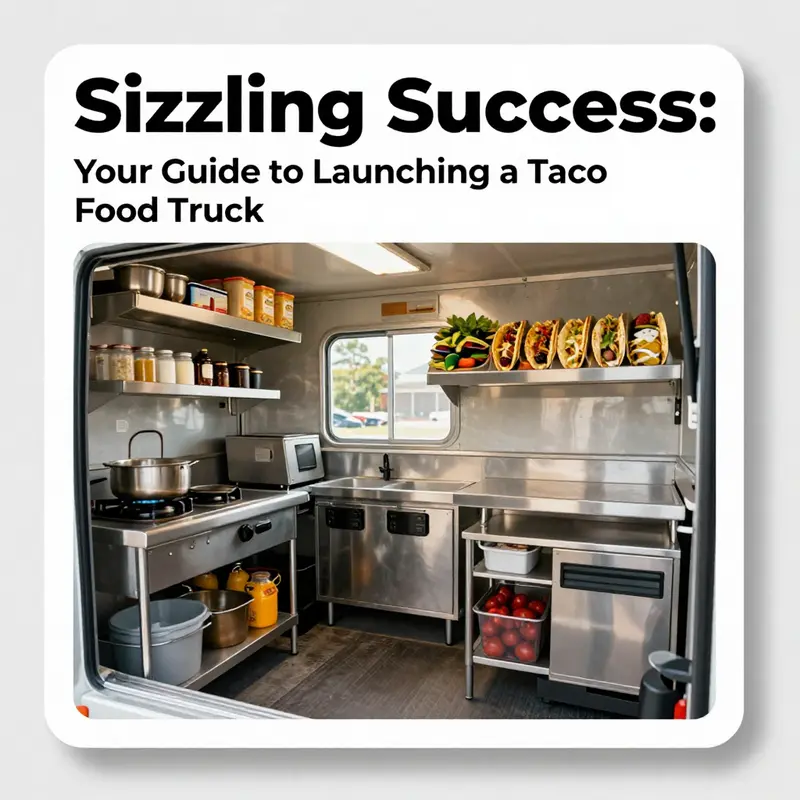
Launching a taco food truck thrives on the marriage of great recipes and reliable equipment. The right gear keeps service moving, ensures food safety, and protects your margins. Think of your truck as a compact kitchen where every square inch and appliance must justify its place. This chapter walks through the essential equipment you’ll need, why each piece matters, and how to choose and arrange items so your operation stays efficient, compliant, and nimble as you build a loyal following.
A taco truck’s heart is its cooking line. You’ll need a grill capable of delivering consistent heat for meats and vegetables, and it must hold up to long service hours. A gas commercial grill offers quick heat-up, precise control, and easier cleanup—advantages when the lunch rush arrives. Gas lets you manage searing and finishing temperatures without the variability of wood or charcoal. Charcoal can add a desirable smoke note, but it introduces extra ventilation needs and time-consuming maintenance. For most mobile vendors, a gas setup paired with a well-designed hood and exhaust gives the best balance of speed and flavor control.
Alongside the grill, a reliable tortilla warmer or heater is essential. Tacos live or die by their tortillas; a pliable, warm tortilla improves texture and eating experience. Electric warmers maintain a consistent, low temperature that prevents drying and splitting. Stack-style warmers or insulated dispensers let you hold tortillas at serving temperature without burning them. If you make fresh tortillas on board, plan space for a small griddle and a wire rack to finish and hold them properly.
Frying equipment is another common need. A multi-basket fryer lets you produce items like fried sides, crunchy fillings, or dessert offerings without mixing flavors. A six-compartment model offers versatility for frying different batters or coatings while reducing oil cross-contamination. Choose units with easy-to-drain oil systems and consider oil filtration tools to extend oil life and lower costs.
Refrigeration and cold storage underpin food safety and inventory control. Undercounter refrigerators mounted beneath your prep counters put fresh ingredients within arm’s reach and help maintain safe temperatures for cheeses, salsas, and garnishes. Units with robust insulation and dependable temperature controls reduce food waste. If your operation handles larger volumes or stores bulk supplies, a walk-in cooler, even a small one, stabilizes inventory levels and simplifies stock rotation. Refrigeration units must be properly ventilated and secured for mobile use; pick models designed for vehicle or trailer installation when possible.
Efficient prep and workstation design minimize bottlenecks. Stainless steel counters resist stains and disinfect easily; they should be sized to match your workflow and provide room for cutting, assembling, and plating. A double-basin sink is non-negotiable for sanitation: one basin for washing and one for rinsing or sanitizing. Integrate handwashing sinks and clearly post sanitation procedures to meet health inspections. Built-in waste collection—compact garbage bins or compost containers—keeps the service area tidy and speeds turnover.
Cutting boards and knives are simple but critical. Use color-coded cutting boards to separate raw proteins, produce, and ready-to-eat items and reduce cross-contamination risks. Invest in durable stainless knives and maintain them with a sharpening routine; a dull blade is a safety hazard and slows prep. Magnetic knife strips and lockable knife storage keep tools organized and away from high-traffic zones.
A modular serving counter ties your cooking and customer-facing sides together. Custom counters with shelves and drawers let you organize containers of garnishes, tortillas, and prepped components. A well-designed pass-through area with sneeze guards, condiment dispensers, and taco holders speeds assembly and protects food. Condiment stations equipped with labeled squeeze bottles and covered containers keep service consistent and reduce waste. For busy windows, taco holders or stackers stabilize items for customers on the go and prevent messy drop-offs.
Beyond the basics, some systems are legally required or will save you costly problems later. Grease management systems are often mandated by local health departments and environmental codes. A properly sized grease trap prevents clogs, protects municipal lines, and makes disposal predictable. Pair it with a maintenance schedule and a relationship with a reputable waste hauler.
Fire safety is another area where the right equipment both protects people and meets code. A certified fire suppression system integrated with your hood and cooking equipment is typically required. These systems automatically release suppression agents if temperatures exceed safe levels. Complement them with manual extinguishers rated for kitchen fires and train your staff on their use. Routine checks and documented maintenance will keep you inspection-ready.
Water management on a mobile unit requires attention to capacity and plumbing. You need an adequate potable water supply for cooking and handwashing and a greywater tank sized to hold wastewater generated during service. Plan plumbing layouts to maximize space while meeting local rules on water capacity and disposal. Use pressure-boosting pumps and reliable fittings to avoid interruptions during peak service times. Sanitation depends on constant access to hot water; tankless water heaters or compact electric heaters are practical solutions when space and power allow.
Power and electrical systems are the backbone for modern trucks. Decide early whether you’ll use generator power, shore power when parked, or a hybrid approach. Generators designed for continuous duty, sized to your total amperage draw, reduce the chance of brownouts. Consider energy-efficient appliances and LED lighting to reduce load. If going electric or hybrid, plan for battery capacity, charging logistics, and backup systems so critical equipment like refrigeration remains uninterrupted. Regular maintenance of electrical components prevents service failures that can lead to food loss.
Ventilation both protects your crew and preserves equipment. A properly sized hood, exhaust fans, and make-up air systems remove smoke, grease-laden vapors, and heat from the cooking area. Grease filters and regular hood cleanings are necessary to prevent fire risks and maintain airflow. Proper ventilation extends equipment life and keeps working conditions comfortable enough for consistent performance during long shifts.
Storage solutions inside a food truck must be creative. Overhead bins, magnetic strips, and drawer organizers maximize vertical space. Shelving should be secured to withstand movement and road vibrations; choose models with retaining lips or straps for stored items. Label shelves and implement a first-in, first-out (FIFO) system to avoid expired ingredients. Consider containers with clear sides to speed inventory checks.
Smallwares and disposables deserve attention because they affect speed and customer experience. Invest in high-quality scoops, tongs, heat-resistant gloves, and portioning tools to maintain consistency. Portion control measurers reduce waste and help predict inventory needs. For disposables, choose packaging that preserves temperature, reduces spills, and aligns with any local waste or recycling ordinances. Eco-friendly packaging can appeal to customers, but test durability during service before making wholesale changes.
Maintenance tools and spare parts reduce downtime. Keep a starter kit: replacement gaskets, hose clamps, fuses, light bulbs, and basic tools. Regular preventive maintenance—filter changes, burner checks, and lubrication—extends equipment life and protects margins. Create a maintenance log and follow manufacturer recommended schedules. For electric vehicles or converted trucks, follow a specific maintenance checklist to protect battery life and electric drivetrains; routine inspections address issues before they become costly repairs. For tips on maintaining electric food trucks, review specialized guidance to extend lifespan and lower operating costs.
When selecting suppliers and equipment models, prioritize durability and serviceability. Equipment built for mobile food service must tolerate vibration, uneven roads, and frequent power cycles. Ask about warranties and after-sales service, and verify whether suppliers offer customizations like non-slip flooring or mounting brackets, which are practical for a truck that moves. If you plan to add unique cooking equipment or a signature element to your menu, make sure it fits the truck’s weight and ventilation capacities. Custom trailers that come with installed kitchen layouts can reduce setup time, but ensure the layout matches your workflow.
Arrange your equipment to follow one smooth workflow: receiving and storage, prep, cooking, assembly, and service. This linear flow minimizes cross-traffic and reduces the time each order spends in the system. Map your station layout and run simulated service runs to identify pinch points. Optimize placement of frequently used items—salsa, tortillas, and garnishes—near the assembly area. Reserve one zone for plating and final quality checks to ensure every taco meets your standards before it reaches the customer.
Training staff on equipment use is as important as the equipment itself. A well-trained team operates faster, wastes less, and avoids accidents. Create checklists for opening and closing procedures, and schedule time for hands-on training with all appliances. Cross-train employees so someone is always able to run critical stations when shifts change or unexpected absences occur.
Finally, budget carefully. Equipment is a major upfront cost but also a long-term investment in consistency and brand reputation. Balance cost with reliability; sometimes spending more on a unit that lasts longer and needs fewer repairs is the more profitable choice. Track operating costs, including fuel or generator use, oil changes for fryers, and regular inspections to understand the true lifecycle cost of each piece.
For a complete technical checklist and up-to-date industry benchmarks to match your planned layout and menu, consult a specialized resource that compiles detailed specifications, pricing, and setup advice tailored to taco truck operations: https://www.foodtruckbusiness.com/taco-food-truck-equipment-checklist/.
For guidance on choosing the right vehicle and configurations to match your menu and service model, see this practical resource about choosing the right food truck: choosing the right food truck.
With the right equipment and a thoughtful layout, your taco food truck can deliver consistent, flavorful food while staying compliant and efficient. Equipment choices shape not only your daily operations but also the kind of menu you can offer and the speed at which you can grow. Invest time in planning, choose durable gear, and build systems that make excellence repeatable.
Turning Passersby into Regulars: Cultivating a Loyal Community Around Your Taco Food Truck
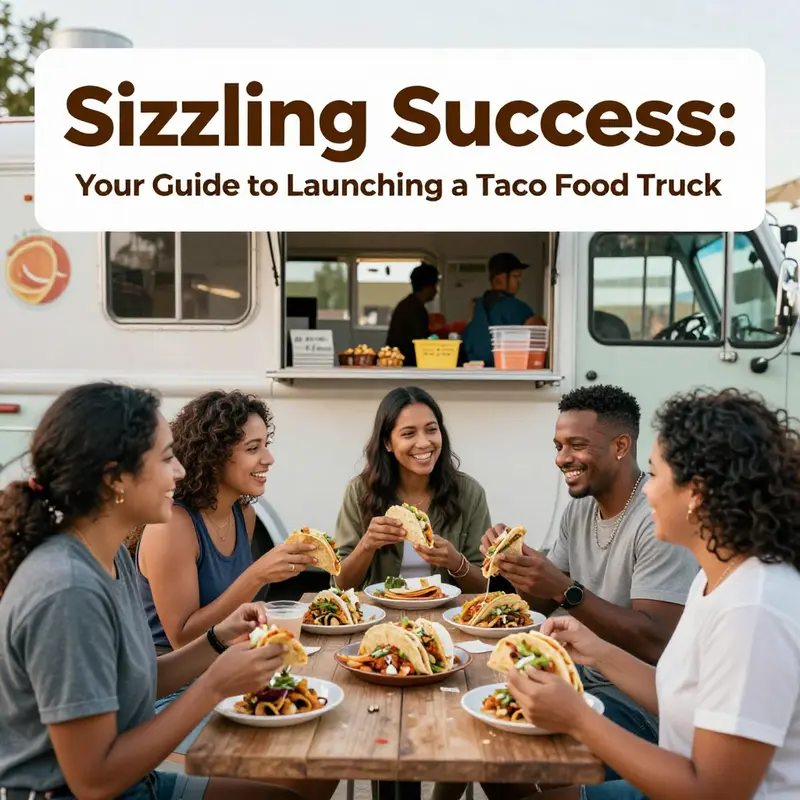
Building a loyal following for your taco food truck means more than serving great food. It requires intentional experiences, clear communication, and systems that reward repeat visits. When your truck becomes a familiar place in the neighborhood, customers arrive with expectations and memories. They arrive already part of something. This chapter explores practical, creative ways to cultivate that sense of belonging and convert one-time buyers into active community members.
Start with a strong, honest identity that people can get behind. Your truck should have a clear voice and a consistent vibe. Decide what you stand for beyond flavor: is it family recipes passed down through generations? Is it a playful fusion of regional cuisines? Is it a dessert-forward menu or a focus on local, seasonal produce? When you can state your promise in a sentence, everything else becomes easier. That promise guides how you write social posts, how you greet regulars, and what you highlight at events.
Storytelling is the connective tissue between great food and lasting loyalty. Share the origin of your signature salsa, the late-night experiments that produced your best tortilla, or the team member whose laugh customers recognize from the window. Use social feeds to show craft—short clips of charred onions hitting the grill, staff assembling tacos with practiced hands, or a peek into the careful prep of a sauce. These moments humanize your operation and make customers feel included.
Social media should serve relationships, not just promotions. Prioritize platforms where your local audience spends time. On image-driven networks, post vivid photos that capture texture and motion. On short-video platforms, create quick narratives: a 30-second clip of service during a busy lunch rush, a time-lapse of a special being made, or a staff member explaining a topping. Use location tags, neighborhood hashtags, and clear calls to action like asking followers to tag a friend who owes them a taco. Keep captions conversational and invite interaction. Simple polls—”corn or flour?”—or caption contests get people involved and make them feel seen.
A digital loyalty program is one of the most effective tools for turning occasional customers into regulars. Choose a system that fits your daily flow. A QR-code punch card that links to a simple digital wallet can be scanned at the order counter. Reward frequency rather than spending level to keep incentives inclusive. For example, offer a free taco after eight visits, or grant early access to a weekly special for members who visit three times in one month. Digital programs also let you capture helpful data—visit frequency, popular items, and opt-in contact information—that guides menu tweaks and event planning.
Make the loyalty program social. Let members earn referral rewards for bringing friends. Offer tiered perks that encourage deeper engagement, such as a monthly members-only menu preview or occasional free toppings for those who check in on social platforms. Keep the program simple and transparent. Confusing rules discourage participation.
Face-to-face interaction remains your most powerful community-building tool. Host regular gatherings that feel native to your neighborhood. Taco Tuesdays with local musicians create a ritual people can plan around. Weekend pop-ups at a community park reach families who might not cross town for lunch. Collaborations with nearby vendors—like beverage carts, local bakeries, or artisan markets—turn your truck into a weekend destination. These events create shared memories and encourage customers to linger, talk, and bring friends.
Design events with accessibility in mind. Keep pricing friendly. Offer kid-sized portions. Provide seating or partner with area organizations to secure a safe meeting space. Advertise events early on social media and through your loyalty program. Ask local partners to cross-promote and swap email lists when appropriate. Word-of-mouth spreads fastest when people can see others enjoying themselves.
Train your staff to recognize and cultivate regulars. A memorable greeting, remembering a repeat customer’s preferred order, or checking in about a previous experience sparks loyalty. Empower team members to offer small, on-the-spot gestures: a free sample to a new visitor, a complimentary extra salsa during a live event, or a handwritten thank-you card taped to a takeout bag for big orders. These micro-moments create emotional connections that advertising cannot.
Referrals are the highest-value acquisition channel for a truck. People who arrive because a friend vouched for the spot are more likely to become repeat customers. Make referrals easy and rewarding. For example, offer both the referrer and the referred person a free menu item after the guest’s first purchase. Encourage customers to bring friends personally; a face-to-face invitation is more persuasive than a social post. Track referral success through your loyalty app or with simple paper codes to ensure customers receive promised rewards.
Feedback loops keep your menu and service in tune with your community. Ask customers quick questions at the point of sale, include a short survey link on receipts, and conduct occasional tasting panels for new items. Importantly, close the loop by communicating what changed because of customer input. If you drop a sauce, tweak a spice level, or bring back a seasonal taco because of feedback, let people know. Recognition builds trust and turns critics into advocates.
Pair feedback with transparency around sourcing and preparation. Sharing why you use certain ingredients, where you buy your meat and produce, and how sustainable choices shape your menu appeals to customers who care about ethics and quality. Transparency doesn’t require long explanations—short posts or a line on the menu suffice. When customers understand what goes into their food, they form a deeper relationship with your brand.
Partnerships extend your reach naturally. Connect with local breweries, coffee roasters, farms, and community organizations. Mutual promotions can be as simple as featuring a local salsa maker on a special taco or hosting a joint happy hour. Such alliances introduce your truck to new audiences while reinforcing neighborhood bonds. Be deliberate about partner choices; align with businesses that share your values and customer profile.
Community service initiatives boost goodwill and visibility. Participate in neighborhood festivals, donate meals to local shelters occasionally, or offer catering for school fundraisers. These acts demonstrate investment in the area beyond profit. Customers are likelier to support businesses they perceive as contributors to the common good.
Consistency is the backbone of community. Regular hours, a reliable menu rotation, and consistent quality make it easy for customers to plan visits and bring friends. If your schedule fluctuates, communicate changes early and clearly across channels. Customers forgive occasional mistakes when you own them and correct them promptly. A visible commitment to excellence cements trust.
Create rituals that keep people returning. A weekly special, a monthly secret menu item, or an annual anniversary celebration become reasons for customers to mark their calendars. Rituals create anticipation and give casual customers a nudge to return.
Marketing should blend online and offline tactics. Print simple, attractive flyers for distribution in nearby businesses. Encourage cross-promotion with neighboring shops that will display a small poster or menu. Use your truck signage to promote social handles and the loyalty QR code. At peak times, hand out small cards with a first-time-visitor discount and a link to join your loyalty program.
Email remains a high-value channel for food trucks. Use email to announce new items, schedule changes, and upcoming events. Keep messages brief and visual. Reward subscribers with exclusive offers like early access to event tickets or members-only discounts. If you want to deepen your email strategy, consult a practical guide on email marketing for food trucks for step-by-step tactics and templates. This resource helps translate casual interest into consistent visits.
Measure what matters. Track visit frequency, repeat customer rate, average spend per visit, and referral conversion. Use simple tools built into loyalty apps or maintain a straightforward spreadsheet if you prefer manual tracking. Regularly review metrics to see what events or menu changes drive the most return customers. Data lets you invest in programs that move the needle.
Design merchandise and small-branded items as community badges. Offer stickers, enamel pins, or reusable taco boxes that customers can buy or earn. When people wear or display these items, they signal membership and invite conversation. Keep the designs authentic to your brand voice; a well-loved sticker is low-cost yet effective advertising.
Handle criticism with care. Public complaints can escalate quickly on social channels. Respond promptly, acknowledge the issue, and offer a path to resolution. Invite dissatisfied customers back with a clear remedy. Turning a negative into a positive shows maturity and respect and often earns stronger loyalty than if the complaint had never occurred.
Consider a membership model if your community grows deeply attached. A small monthly fee could grant members exclusive monthly menu items, priority at events, or discounted catering. Memberships create predictable revenue and deepen engagement. Test the concept with a short pilot before rolling it out widely.
Finally, remember that building community is a long game. Quick promotions can bring spikes in traffic, but relationships form through repeated, meaningful interactions. Invest in people, both customers and staff. Celebrate milestones, say thank you often, and stay curious about what your neighborhood needs. In the mosaic of urban life, your taco truck can become a small but bright gathering place—a place where flavor, friendship, and belonging meet.
External resource: For an example of community-building principles used by a larger chain, see how Chipotle builds its community: https://www.chipotle.com/about-us/our-philosophy
Final thoughts
Stepping into the world of taco food trucks is more than just a business venture; it’s a heartfelt journey into the community and culture of food. By understanding the cultural significance of your taco truck, outfitting it with the right equipment, and focusing on building a community around your delicious offerings, you set the stage for a rich and flavorful business experience. So gather those fresh ingredients, fire up your grill, and get ready to serve not just meals, but happiness on wheels!