
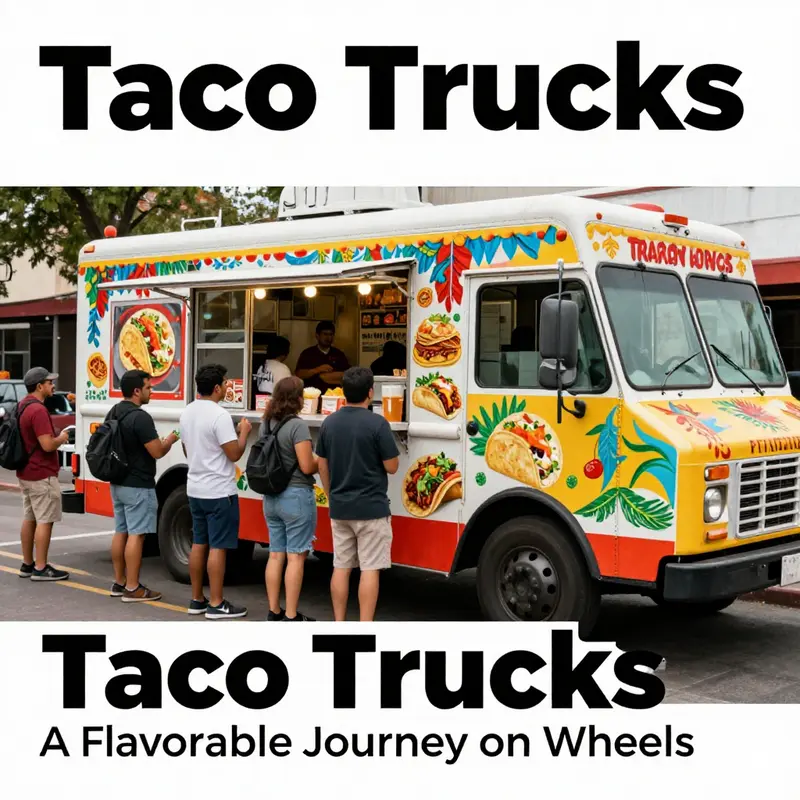
Taco trucks have quickly become a quintessential symbol of accessible and delicious food on-the-go. These vibrant, mobile kitchens not only serve mouth-watering tacos but also invigorate urban landscapes, create community connections, and foster economic growth. This exploration into the taco truck phenomenon will take you through the culinary experiences that delight taste buds, the economic impact that sustains local economies, cultural influences that shape communities, and operational strategies that ensure success. Each chapter is an invitation to discover how taco trucks have transformed dining experiences and enriched lives.
Wheels of Flavor: The Living Culinary Experience of a Taco Truck
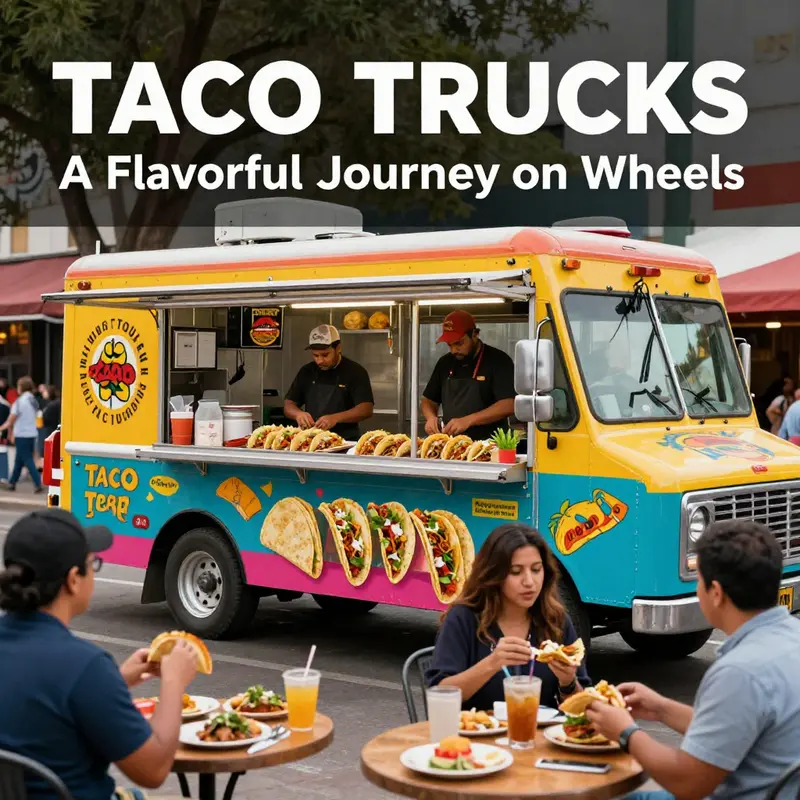
The taco truck is not merely a vehicle that serves food; it is a portable stage where flame, masa, and time converge to create a culinary experience that travels with the street. When the window opens and the sizzle begins, a small, contained world comes alive. A short stretch of metal becomes a theater, where carne asada hits a hot grill with a hiss that sounds like a cheer for small miracles. The tortillas, often handmade or at least finished on the spot, soften under the heat and take on a malleable life of their own. Each taco then becomes a compact story written in the language of fire and fresh produce. The experience is immediate: you choose, you stand in line with other eaters who appreciate speed and honesty, and you receive something humble yet vibrant, a meal that seems simple on the surface but carries layers of tradition beneath its bright facade.
What makes this experience so particular is the way it fuses culture, craft, and mobility. Mexican culinary traditions give the core rhythm: masa made with nixtamalized corn, lime, cilantro, and a carefully seasoned protein. The toppings—fresh onions, chopped cilantro, salsa that carries both heat and brightness—are less a garnish than a signature, a reminder that the dish is built at the edge of tradition and improvisation. The truck’s cook often brings a family history to the grill, a lineage of recipes that travel quietly from grandmother’s kitchen to the street corner where the next generation finds its audience. In this sense, the taco truck becomes a rolling archive of memory, a tasting menu that changes with the day’s supply and the mood of the neighborhood.
In cities like Austin, the fusion of local terroir with traditional techniques creates a particularly vivid example of this culinary journey. The trucks there often frame their offerings as a regional conversation: smoky al pastor that leans into peppers and fruit, lengua or cabeza prepared with a reverence for texture and richness, and a penchant for toppings that reflect the season and the vendor’s relationship with nearby farmers. The scene is as much about relationships as recipes. Generations may be represented on a single grill—one cook apprenticing under a parent, another introducing a cousin to the rhythm of the window counter, a neighbor providing a seasonal salsa that tastes of the weekend market. The result is more than sustenance; it is a microcosm of how culture passes through a city’s arteries by way of a truck’s exhaust and its window staff’s easy, knowing smile.
The sensory experience is layered. There is the initial aroma, a mixture of char and citrus that announces presence before you even see the menu board. There is the texture of a tortilla just warmed to a pliable bite, the slight chew that holds in the juicy interior without cracking under pressure. There is the heat—of chipotle, of jalapeño, of a freshly pressed habanero salsa—that tests your tolerance but also reveals a culture that believes boldness belongs at the table. And then there are the conversations that happen at the window: a quick exchange about spice levels, a recommendation based on the day’s produce, a nod to a local festival or farmers’ market that happened over the weekend. The social component is inseparable from the culinary, turning a quick lunch into a moment of shared experience, a small communal ritual in a bustling cityscape.
The craft behind this experience is a careful balance of speed, quality, and authenticity. The cooks must stay faithful to core flavors while adapting to what the local food landscape can offer. In many places, this means sourcing ingredients from nearby farms, partnering with vendors who share a commitment to freshness and sustainable practices. The vibrancy of the flavors rests on that trust between vendor and supplier, a link that ensures each taco carries a sense of place. A smoky al pastor might be driven by a traditional adobo, but the peppers and fruit folded into the sauce could reflect regional abundance or the cook’s personal preference. A lengua taco may be crowned with onions and cilantro, yet the way the beef and fat render on the grill adds a depth that feels decidedly intimate, almost ceremonial. The result is a dynamic menu that reads like a map of the local terroir and the family’s culinary inheritance.
What travelers quickly discover is that the taco truck’s charm lies not just in what is on the plate, but in how the plate arrives. Ordering becomes a small social ritual—the vendor’s window becomes a stage for quick storytelling about ingredients, technique, and even the truck’s origin story. The cooks often share how a recipe was passed down, how a particular spice blend was perfected through a dozen small adjustments, how a batch of salsa was tweaked to balance sweetness and acidity. The conversations are brief but meaningful, offering insight into a cuisine that feels both universal and intensely local. For someone who moves between neighborhoods with pedestrian speed, the taco truck is a passport to different culinary neighborhoods without leaving the curbside.
Another layer of the experience is the sense of discovery. The most memorable trucks are those that curate a few standout items and trust the work to speak for itself. They do not try to overwhelm with a dozen complex options; instead, they offer a few perfect expressions of what they do best. Yet within those few items lies a world of nuance: the way a tortilla shell crisps at the edges, the balance between fat and lean in a carne asada, the tang of a house-made salsa that comes from a carefully chosen blend of chiles and citrus. The curiosity remains open, inviting regulars to revisit a familiar favorite while leaving space for a new revelation—the addition of a tangy lengua taco here, a smoky al pastor with pineapple there, a vegetarian option that makes use of roasted peppers and crema to create a satisfying texture and depth. The result is a dining experience that respects tradition but does not fear contemporary tastes or dietary choices.
In Austin, this culinary swagger is celebrated in a way that elevates the street-food experience into a city-wide identity. The local scene has become a living catalog of flavors, with trucks stationed in parking lots near office corridors, tucked into alleys behind music venues, and parked at bustling corners where pedestrians spill into late-afternoon sunshine. The accessibility of the taco truck—its affordable price point, quick service, and ability to serve large crowds—has allowed it to become a social anchor, a place where classmates, coworkers, or neighbors reconnect during a break from the day. It is common to see a family reunion unfold under the shade of a truck’s awning, or to overhear a student debating the best taco in the city while queueing up for a spicy bite. The scene embodies a democratic, unpretentious form of gastronomy that invites everyone to partake in a shared ritual of taste, memory, and community.
The interactive essence of the taco truck extends into popular culture and even into playful simulations that seek to capture the craft’s challenges and joys. A game like Chilli Taco Truck, for example, offers a simulated space where players manage menus, upgrade their trucks, and balance the demands of a hungry crowd. While fictional, the game mirrors the real-world dynamics that make a taco truck an enduring phenomenon: the need to optimize flavor within budget constraints, to respond to customer feedback with agility, and to cultivate a brand that resonates with a neighborhood’s sense of identity. In that sense, the game serves as a mirror for readers and aspiring operators alike, a lighthearted yet insightful invitation to consider what it truly takes to run a successful portable kitchen. The real-world lessons—careful sourcing, steadfast commitment to authenticity, and the warmth of interaction at the window—remain the anchors that stabilize the experience against the pressures of time, weather, and competition.
The culinary experience of a taco truck is deeply anchored in its ability to tell a story through flavor, texture, and atmosphere. It is a moving gallery of technique and memory, a place where old-world methods meet new-world palates, and where the world’s appetite for quick, affordable, high-quality food travels in a compact, efficient shell. Austin’s scene demonstrates how a city can embrace this form not as a mere novelty but as a core element of its culinary identity. The best trucks demonstrate quality through restraint, letting simple ingredients speak with clarity while offering a sense of discovery through occasional, thoughtful twists. They remind us that food culture is not only about the kitchen or the dining room; it is also about a stretch of curb, a window, and a shared moment in which strangers become neighbors by virtue of a single, satisfying bite.
To those who want to draw closer to this world, the path often begins with curiosity and a willingness to walk a few blocks after work or class, to stand in line with a mix of locals and visitors, and to let the aroma guide your choice. It also helps to keep an eye on what the vendor emphasizes: a commitment to fresh ingredients, a respect for traditional process, and a readiness to adapt to the city’s evolving tastes. The culinary journey on wheels is not static; it moves with the city, changes with the seasons, and grows as cooks bring new influences into their tortillas. If there is a singular takeaway from the taco truck’s experience, it is this: cooking in public, with quick service and a human touch, creates a form of gastronomy that is intimate, democratic, and enduring. It invites every passerby to become a participant in a shared feast, even if only for a few minutes, and that is as much a cultural achievement as any plated dish on a restaurant menu.
For readers who want to explore this idea further and see how trucks expand their culinary repertoires, a discussion of fusion approaches provides a revealing lens. The exploration of food-truck fusions—a culinary revolution offers context on how operators blend techniques and ingredients from different traditions to create new, exciting profiles without losing the essence of taco craft. These explorations show how mobility can become a catalyst for reinvention, allowing cooks to test ideas rapidly in real-world conditions, receive immediate feedback, and refine the approach in ways that traditional restaurants may not be able to match in scale or speed. The result is a vibrant, evolving landscape where flavor is a continuous conversation between cook, ingredients, and crowd.
As a hub of culture, mobility, and flavor, the taco truck stands as a living testament to what gastronomy can accomplish when it refuses to rest on its laurels. It is an invitation to taste memory, to participate in a city’s ongoing dialogue about what food should feel like when it arrives on a curb. It is also a reminder that great meals need not be confined to the walls of a brick-and-mortar kitchen; sometimes they flourish wherever the wheels roll, and the window opens to let a new voice and a new bite into the city’s daily life. And in that sense, the taco truck is not only a place to eat; it is a portable classroom in which culture, craft, and community come together, bite by bite, on the crossroads where streets, stories, and flavors converge. For anyone who has ever stood at a truck’s window, the memory lingers: the scent of smoke and citrus, the warmth of the human encounter, the simple joy of a well-made taco, and the sense that, for a moment, you have witnessed how a city feeds itself with generosity, resilience, and a shared appetite for flavor.
External resources can illuminate broader perspectives on this journey. For a deeper dive into Austin’s taco truck scene and the paths these moving kitchens chart through the city’s culinary landscape, readers can consult established culinary coverage that highlights standout operators and evolving trends in the region.
Rolling Economies on Flavor Street: The Economic Impact of Taco Trucks in Local Communities
A taco truck is more than a portable kitchen; it is a moving node in the life of a city, a small business with big ripple effects that extend far beyond the steam of peppers and the hiss of grills. When a truck rolls into a neighborhood, it brings a compact economy with it—jobs, demand for raw materials, foot traffic, and a sense of place that can transform a dull corner into a vibrant gathering spot. The chapter that follows unfolds this microcosm of urban life, showing how a fleet of small vehicles can contribute to local prosperity while also challenging planners, policymakers, and entrepreneurs to balance ambition with practicality. In many ways, taco trucks operate as living experiments in how food, labor, and community interact in real time. They demonstrate how flavor can be a catalyst for broader economic activity and how the street can become a legitimate stage for small business growth that feels intimate yet scales with the city’s needs.
At the heart of their economic impact is job creation. If each taco truck employs three people, the simple arithmetic of an expanding fleet suggests a path toward significant employment gains. An analysis drawing on labor market data from the U.S. Bureau of Labor Statistics, using the August 2016 framework, estimated that a widespread proliferation of mobile taco vendors could yield millions of new positions. While such projections are conditional on a range of factors—permit efficiency, access to capital, consumer demand, and competitive dynamics—they underscore a powerful possibility: mobile food entrepreneurship can absorb labor that might otherwise struggle to find a foothold in the formal economy. The jobs are not merely cash-in-hand; they often come with a blend of skills that travel with the operator from one neighborhood to the next. Cooks, prep staff, cashiers, and drivers learn operational discipline, inventory planning, and customer service in an environment where decisions and outcomes are visible in days rather than months. The flexibility of a truck’s schedule can also translate into more stable employment across the year, even as weather and seasonality inject some volatility into daily revenue. In urban and suburban landscapes, this fluidity can be a bridge for workers who want ownership stakes alongside wage income, gradually layering local labor markets with experience and confidence that can feed into larger entrepreneurial ventures later on.
Beyond direct employment, taco trucks generate ancillary economic activity that often remains under the radar in traditional economic accounting. They buy ingredients from local growers, wholesalers, and markets, contributing to a supply chain that moves through neighborhoods with a speed and intimacy that brick-and-mortar restaurants rarely match. They require packaging materials, napkins, and fuel, all of which create demand for nearby suppliers and service providers. The presence of a truck can lift foot traffic in a business district, giving nearby storefronts a halo effect as people come to eat and linger, browse, or pick up a coffee while their meals heat up. This spillover effect can reanimate corridors that have struggled to attract consistent customers, turning parking lots or vacant lots into transient public spaces where people gather, short films of conversation, and small transactions accumulate into broader commercial momentum. In this way, taco trucks act as micro hubs within larger urban ecosystems, stitching together dispersed corners of the city with a common appetite and a shared social rhythm.
Culturally, the popularity of taco trucks reflects and reinforces broader urban trends. They contribute to a city’s identity by adding layers of culinary memory and diversity to the local palate. In cities like Los Angeles, San Antonio, and Chicago, clusters of mobile taquerias have become recognizable, almost iconic, parts of the culinary landscape. Visitors are drawn not only by the possibility of a quick meal but by the chance to participate in a portable cultural exchange—flavors and techniques that travel from household to street corner, from home kitchen to steering wheel. This cultural magnetism translates into tourism-ready moments: a food scene that invites social media sharing, neighborhood walking tours, and informal flavor pilgrimages. When a truck is parked near a transit hub, a university campus, or a bustling office district, it becomes more than a place to eat; it becomes a social interface where people from varied backgrounds intersect over shared tastes. The result is a city that feels more alive, more inclusive, and more capable of hosting a dynamic everyday economy that is accessible to a broad cross-section of residents.
These cultural and economic effects are further amplified by the way taco trucks intersect with urban planning and neighborhood development. Truck clusters can lead to the revival of underused spaces, guiding public space creation through informal patterns of use that officials might otherwise overlook. A parking lot transformed by a steady stream of customers can encourage adjacent businesses to experiment with flexible hours or curbside seating, which in turn invites more diverse consumer bases. The rapid feedback loop between supply, demand, and space utilization is a feature of mobile commerce that traditional fixed restaurants often cannot replicate with the same speed. In this sense, taco trucks contribute to a form of bottom-up urban development, where incremental improvements and micro-entrepreneurship collectively reshape the character and vitality of a district. The resulting neighborhoods are not static deposits of commerce but living laboratories for how cities can adapt to changing economic and social realities.
Of course, this optimistic narrative sits alongside practical challenges and policy frictions. The regulatory environment can be complex and uneven, with zoning restrictions and permit regimes varying widely from one jurisdiction to another. Some cities have embraced the mobile model, offering streamlined permitting and designated lanes or sanctioned street corners where trucks can operate with predictable rules. Others maintain a maze of licensing requirements, health inspections, and parking constraints that raise costs and slow growth. The tension between entrepreneurship and regulation is not a critique of business ambition but a reminder that the public sphere must be navigated thoughtfully when informal economies scale up. Seasonal fluctuations, weather, and the variability of special events all contribute to revenue unpredictability, particularly for operators who rely on outdoor seating or high-visibility street presence. While mobile vendors can adjust daily menus to align with demand, they cannot always compensate for market shocks with quick, wholly new revenue streams. These realities underscore the importance of supportive policy environments that balance consumer protections, fair competition, and pathways to sustainable growth for small, mobile enterprises.
The economic story of taco trucks is not purely about numbers and balance sheets. It is also about access—access to markets, access to capital, and access to skills that enable people from diverse backgrounds to start and sustain a small business. Because trucks typically operate with lower overhead than brick-and-mortar restaurants, they open doors for aspiring food entrepreneurs who might lack the capital necessary to rent and renovate a storefront. This lower entry threshold can yield a more inclusive culinary economy, with ownership opportunities extending to communities that have historically faced barriers to entry in the formal restaurant sector. In this sense, taco trucks contribute to the democratization of small business ownership, offering a pragmatic platform for learning and growth where the cost of experimentation is within reach for many aspiring cooks and managers.
Yet the same mobility that fuels opportunity also introduces vulnerabilities. The reliance on parking spaces, street visibility, and transient foot traffic makes revenue more sensitive to local conditions and policy choices. Weather can shorten opening hours or depress sales for days at a stretch. Permit delays can stall expansion plans or force trucks to relocate repeatedly, disrupting customer relationships and supplier networks. Seasonal patterns—such as higher demand during festivals, college semesters, or commuter peaks—shape cash flow in ways that require careful cash management and strategic planning. For operators, the financial discipline of budgeting for lean months, saving for permit renewals, and maintaining equipment becomes part of the daily craft of running a successful mobile business. This is where practical guidance about tax planning, maintenance, and financial resilience becomes a critical companion to culinary skill. Resources that help operators navigate tax deductions for food truck owners, for instance, can lower the barrier between a great recipe and a thriving enterprise. tax deductions for food truck owners is one such touchpoint that recognizes the financial realities operators face as they move across neighborhoods and seasons.
From a city’s perspective, the presence of taco trucks demands a flexible, learning-oriented approach to economic development. Planners and policymakers can view mobile vendors as catalysts for place-making without forcing them into rigid hierarchies of operation. The best practices emerge when jurisdictional policies recognize the value of mobility as a form of economic inclusion—allowing entrepreneurs to test concepts, learn what works, and scale responsibly. This does not mean allowing unregulated activity; instead it means designing permit processes that are predictable, affordable, and timely, while maintaining public health standards and traffic safety. When policy aligns with the realities of mobile commerce, the street becomes a shared arena where community flavor and local enterprise reinforce each other. The economic math may be complex, but the social payoff is straightforward: greater opportunities for families and workers, more diverse food options for residents, and a more dynamic, responsive urban economy that can weather shocks and still welcome new participants to the table.
In contemplating the future, it helps to anchor the discussion in data, while also recognizing the lived experience of operators and customers. Long-run trends point toward a more integrated foodscape where mobility, digital ordering, and community networks intersect. Online platforms, seasonal events, and neighborhood partnerships can extend reach without eroding the core essence of what makes taco trucks appealing: proximity, speed, and authenticity. The economic implications of this evolution are significant. They suggest a model where a fleet of trucks is not merely a constellation of eateries on wheels but a distributed system of small, agile businesses that can respond to local tastes and local economies with remarkable elasticity. As neighborhoods evolve and urban centers reimagine public space, mobile food vendors are well positioned to remain a vital and flexible component of the urban economy, contributing to jobs, suppliers, and cultural life in ways that strengthen local resilience while enriching daily life for residents and visitors alike.
In thinking about policy, community, and commerce, it becomes clear that the true footprint of taco trucks extends beyond the price of a taco. It includes the manners in which people connect, how streets are used, and the ways in which neighborhoods adapt to new economic rhythms. The movement of a truck is a precise act of urban choreography, a small-scale yet potent reminder that local economies thrive not only on large institutions and fixed infrastructure but on the improvisations of workers who turn a curbside bite into a lasting imprint on a community’s social and economic fabric. The story of taco trucks, then, is a story about how cities grow through everyday acts of enterprise, hospitality, and shared appetite—a narrative that invites policymakers to design spaces where flavor and commerce can flourish in tandem, without compromising safety, inclusion, or sustainability.
For readers seeking a practical lens beyond this narrative, consider how traditional constraints can be softened without sacrificing standards. The experience of operators is a powerful teacher: it highlights the need for accessible licensing, reasonable insurance options, transparent tax guidance, and predictable inspection regimes. When these elements align, the bite of a taco becomes the opening bite of a broader economic opportunity, inviting new residents to invest in community life, not merely to consume it. The momentum is incremental yet meaningful. A few streets get a taste of economic vitality, and gradually, more neighborhoods may gain the confidence to welcome mobile vendors as an accepted and valued part of the local economy. The chapter ends not with a summary but with an invitation—to imagine a city where flavor and enterprise travel together, where the aroma of street-corner cuisine signals opportunity, and where the mobility of a truck carries the promise of livelihoods, cultural exchange, and shared prosperity.
External resource for broader context on labor market trends and economic analysis can be found here: official labor market data.
Rolling Kitchens, City Stories: How Taco Trucks Reframe Urban Life and Belonging
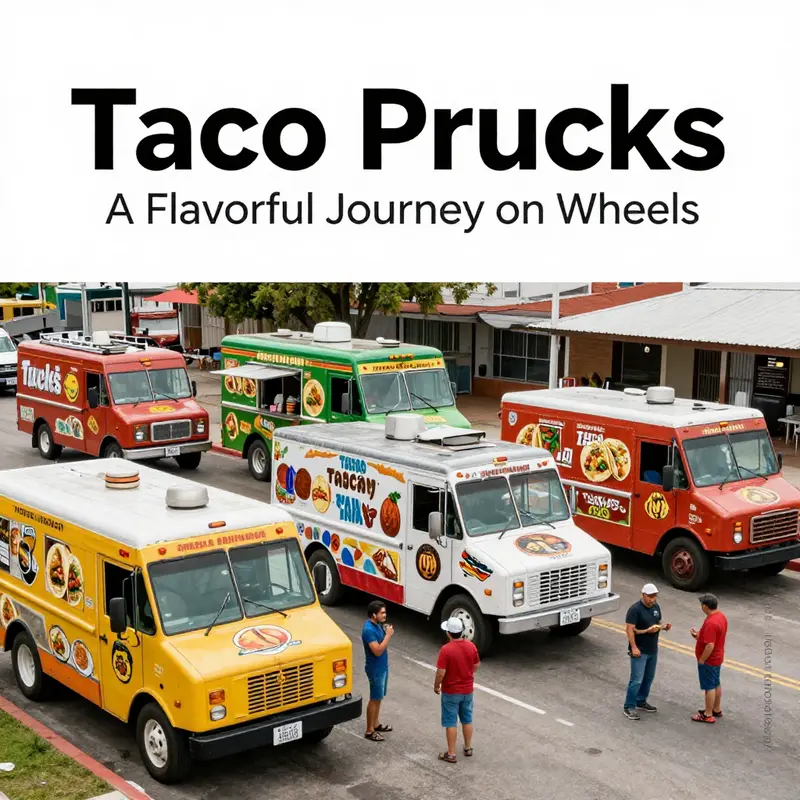
Rolling kitchens, city stories. A taco truck is not merely a portable grill and a canopy; it is a moving forum where flavors, faces, and futures collide. Across dense neighborhoods and festival grounds, it threads together hunger with memory, convenience with ritual, and private longing with public space. The result is a form of urban culture that travels, pauses, and returns in ways that reshape how a city looks, sounds, and feels. This chapter explores how taco trucks extend and complicate the social fabric of modern urban life, turning a simple meal into a shared practice of belonging and identity.
From the moment a truck idles in a queue of commuters or schoolkids, it enters the daily rhythm of the city. The grill’s glow becomes a beacon, a small beacon that draws people into a short, communal ritual: the exchange of a few words, the nod of acknowledgment, the quick inventory of sauces and toppings, and the moment when the first bite delivers both familiarity and surprise. In this microcosm, food is never merely sustenance; it is a microeconomy of trust and recognition. The best trucks know this: they study how long a line stays patient, how the line evolves into conversation, and how the weather, the season, and the hour of the day alter appetite as surely as any calendar.
Scholars describe taco trucks as a form of “right to the city”—a claim more political than it might first appear. They are, in essence, portable public spaces, owned and operated by immigrant populations who reclaim significant urban real estate by choosing to live, cook, and work within public view. The truck becomes a mobile storefront and a mobile living room at once: a place where people from nearby blocks and far-flung neighborhoods meet, share weathered stories, and observe the city’s shifting moments. In neighborhoods long marginalized by zoning decisions and budget cuts, these kitchens offer not only affordable meals but a form of regional autonomy. The cooks translate their heritage into the city’s daily menu, and in doing so they redefine what counts as legitimate urban life.
This is not a purely culinary phenomenon. The truck’s presence questions traditional notions of space, place, and proximity. Neoliberal urban policies often steer commerce toward fixed, expensive storefronts and glossy corridors. Yet the taco truck negotiates these boundaries with mobility and speed. It infiltrates office districts during lunch, roams business corridors during quiet hours, and returns to cultural events that demand a tangible sense of cultural presence. The result is a city that becomes legible through the line of customers, the steam and smoke, and the speech that rises when someone recognizes a familiar aroma. In this sense, the truck acts as a living critique of urban planning that privileges spectacle over street-level interaction. It demonstrates that value can accrue not only from permanent fixtures but from temporary, mobile expressions of community.
The social life around the truck is rich and often porous. In one moment, a food-luster is born for a student who needs a cheap, satisfying meal after a long day of classes; in the next, a worker stopping for a quick bite shares a joke with the cook, the city’s little differences swelling into a moment of common ground. The long afternoon line becomes a forum for neighborly chat, a place where people learn each other’s names, where the driver jokes with regulars, and where a newcomer can begin to feel more at home simply by listening and tasting. The social energy does not exist in isolation; it travels with the truck and returns in different forms. A family might now see their neighborhood through fresh eyes after gathering around a shared plate, while a passerby might discover a taste that becomes a touchstone for a future project or a new friendship.
In cities across the United States, the narrative of the taco truck is inseparable from immigrant experience and entrepreneurial ingenuity. The trucks are often the product of families who arrived with limited means and a hunger for opportunity, translating inherited recipes into a mobile enterprise that can scale with the city’s pace. The result is a hybrid urban form—part cultural exhibit, part food service, part informal community center. The truck’s mobility allows it to reach people who may be overwhelmed by traditional dining options, offering an accessible, unpretentious space where identity can be displayed and negotiated with pride. The cuisine, anchored in corn tortillas, fresh vegetables, and house-made sauces, becomes a way to communicate heritage without sermon or signage. It speaks through aroma, texture, and the heat of the grill.
The culinary practice of the taco truck has also diversified the urban palate in ways that extend beyond the taco itself. The model has inspired specialized food trucks that expand the repertoire to include desserts, pastries, and other foods shaped by cross-cultural exchange. In this sense, the taco truck is a seedbed for urban culinary innovation, a laboratory where tradition and novelty mingle under the pressure of time and weather. The format is efficient and scalable: a compact kitchen, a regulated supply chain, and a mobile footprint that can be adjusted to fit the city’s needs. Yet its efficiency does not erase the human dimension. The cooks, the servers, and the customers contribute to a shared memory of place, a memory that sticks not only to the plate but to the street corner itself.
The material realities of these trucks—their onboard refrigerators, freezers, and ovens—are not mere technical details. They are enabling technologies that make possible a sustainable, scalable model of urban dining that can endure in crowded, diverse urban landscapes. These tools allow vendors to manage quality, maintain safety standards, and adapt menus to seasonal ingredients and local tastes. In practical terms, the equipment helps ensure that a truck can operate through varying weather and street logistics, turning the sidewalk into a reliable, predictable space where people know they can find a meal that respects both their time and their appetite. The portability of the kitchen, paired with robust technical standards, becomes a form of resilience: a way to keep a business afloat amid the churn of city life and the constant change of neighborhoods.
Beyond the kitchen, the truck’s social economy matters as much as its cuisine. Regular patrons become familiar faces, and new relationships form in the wake of a shared meal. The stall becomes a meeting point for co-workers who choose the truck for a midday break, for students who connect around a late-night snack after classes, and for families who turn a quick stop into a small family ritual. This social economy helps stabilize neighborhoods during periods of gentrification, when newcomers and long-time residents might otherwise drift apart. The taco truck offers a common ground where cultural identity is not a barrier but a bridge—one that invites conversations about food, memory, and the city’s evolving story.
To understand the broader significance of this phenomenon, consider how city life is reimagined when the street becomes a site of cultural exchange rather than a corridor to be navigated. The truck’s presence invites random encounters: a migrant worker explains the origins of a sauce, a musician pauses to share a tune, a passerby realizes that the city’s diversity is not merely a statistic but a shared sensory experience. The urban landscape becomes more legible through taste and talk, and the city’s diversity no longer feels like a problem to be managed but a resource to be celebrated. In this sense, taco trucks function as agents of social integration, offering people the chance to participate in a broader, more inclusive urban culture without the need for formal institutions or costly memberships.
The scholarly voice on this topic often highlights how food acts as cultural evidence. In places like San Francisco, Sacramento, and Columbus, researchers have shown how taco trucks disrupt conventional ideas about what constitutes legitimate urban development. They demonstrate that vitality can emerge from streets rather than from monuments, that a city’s strength may lie in its ability to absorb and transform immigrant labor into something both profitable and culturally meaningful. When lunchtime rushes unfold into quick rhythms of service, and late-night shifts take over the streets with a different kind of energy, the city reveals its capacity for reinvention. These trucks do not merely feed people; they feed a narrative of resilience and ingenuity that makes urban life feel more expansive, more tolerant, and more courageous.
The culinary and cultural influence of taco trucks extends beyond the immediate circle of customers and cooks. The trucks have become catalysts for a broader urban food culture, encouraging experimentation and cross-pollination across cuisines. The model invites other operators to consider how mobility, modular design, and flexible staffing can transform a neighborhood’s dining scene. In this way, the taco truck is part of a larger movement toward adaptable, small-scale culinary entrepreneurship that respects local flavors while inviting new possibilities. You can explore a broader discussion of this culinary revolution in the linked piece on food-truck fusions: food-truck-fusions-a-culinary-revolution.
If we step back and imagine the city as a living organism, the taco truck emerges as a nerve fiber, carrying taste, memory, and aspiration from one district to another. It makes the urban body more responsive to its citizens, more capable of self-correction, and more porous to difference. The truck does not erase boundaries; it redraws them, turning barriers into thresholds where people from different backgrounds pause, exchange ideas, and leave with a sense of shared possibility. The act of ordering, waiting, and biting becomes a ritual that affirms belonging without erasing difference. And over time, these rituals accumulate into a citywide culture that values mobility, improvisation, and hospitality as urban virtues.
In closing, the taco truck, as a cultural institution, embodies a parallel story to the city’s own narrative of change. It speaks to immigrant entrepreneurship, social resilience, and innovative urban design in ways that fixed institutions often struggle to do. It is a reminder that the street can be a gallery, a classroom, a marketplace, and a playground all at once. The trucks teach us that a city’s health is measured not only by its grand avenues or its convention centers but by the miles of road that carry both hungry bodies and the memories they carry. In that sense, the taco truck becomes more than a vendor; it becomes a storyteller, a community organizer, and a living archive of urban life. External reference for a broader scholarly perspective on this phenomenon can be found in How Mexican Street Food Is Transforming the American City (JSTOR): https://www.jstor.org/stable/10.1525/9780520964338.
Wheelwise Tactics: How Taco Trucks Convert Mobility into Flavor and Fortune
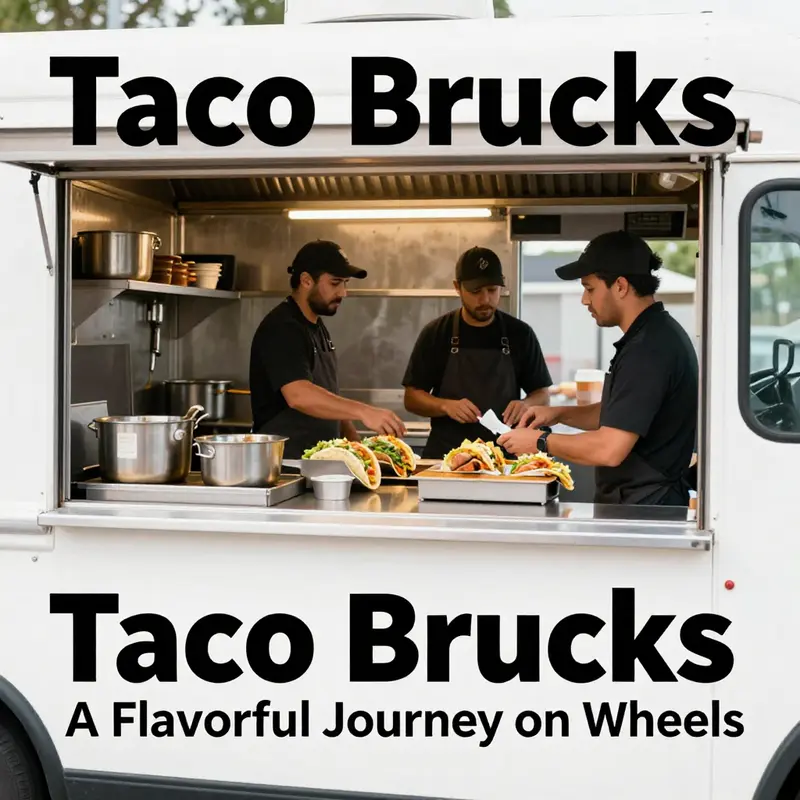
The taco truck operates on a simple premise with outsized consequences: mobility is not just a location, it is a strategic asset. The first rule of those who succeed on four wheels is not merely to cook well, though that remains essential. It is to design a system where every movement, every exchange with a customer, and every choice about what to serve can be adjusted in real time. When a truck rolls into a neighborhood, it does more than deliver food. It broadcasts a promise—that flavor can be quick, affordable, and deeply local, all at once. This blend of speed, personality, and adaptability is what turns a portable kitchen into a beloved, almost constant, presence in the urban fabric. Behind the sizzling grills and the clatter of orders lies a set of deliberate choices that convert movement into momentum. The most successful operators cultivate a workflow that feels effortless to the customer even as it relies on a scaffolding of careful planning, rapid feedback loops, and disciplined sourcing. In this sense, the taco truck is less a single culinary act and more a moving performance—one that must be choreographed with precision to keep pace with a city that never stops tasting, testing, or asking for more.
Menu flexibility stands at the core of this choreography. A fixed restaurant must defend a menu against change; a truck, by contrast, can host a rotating repertoire without the burden of heavy overheads. The most resilient operators treat the menu as a living instrument. They listen to what the neighborhood loves—whether it is a smoky adobo-inspired taco, a bright citrus-marinated fish, or a plant-based option that charms vegans and carnivores alike—and then respond quickly. The agility comes from both philosophy and practice. Chefs who began as weekend family cooks in places like Austin learn to translate home recipes into portable versions, then let the street become their R&D lab. A swap of proteins, a new salsa, or a seasonal vegetable can be introduced one day and tested against crowd reactions the next. This iterative loop—serve, observe, adjust—becomes the backbone of trust. Customers do not expect a fixed menu every day; they expect the truck to show up with the flavor that suits the moment, and the operator who can match that moment with accuracy and warmth.
Seasonality and locality, in fact, become strategic advantages. A truck that commits to sourcing ingredients that travel short distances can offer fresher toppings and more vibrant flavors while maintaining lower costs. It can tell a story about where its peppers come from or how its lime juice is pressed that resonates with customers who crave authenticity at a fair price. The mobility itself reinforces this authenticity: the same cooks who prepare the salsa verde in one city block can switch to a subtly different version for a university campus or a waterfront festival, depending on what ingredients are at peak and what the crowd desires. The test kitchen on wheels is, at its best, a social barometer. It reads the room and translates that reading into a menu that feels both familiar and newly exciting. The ability to pivot in response to feedback, to celebrate a popular demand while quietly deprioritizing underperforming items, is a form of culinary intelligence that fixed-location restaurants can envy but seldom match in speed or efficiency.
Strategic location and route planning amplify this culinary agility into financial momentum. The modern taco truck is less of a static stall and more of a dynamic signal in a crowded urban grid. Operators map foot traffic not only by the obvious metrics of lunch-hour crowds but by the rhythms of the city they serve. Office parks during the workweek, near transit hubs during commute times, or music venues and street fairs in the evenings all become potential anchors. The most successful operators couple this geographic knowledge with a transparent, almost calendar-like approach to location announcements. They post their plans in real time on social channels and offer limited, predictable windows when their fans can find them. This transparency yields a twofold payoff: it builds trust and creates a sense of anticipation that turns casual passersby into regulars.
Location alone does not guarantee success; the truck must also cultivate a brand that travels as well as it does. A well-designed vehicle with bold, legible branding creates an impression that travels with it. The visual language—color palette, typography, and iconography—tells a story about the food and the people who prepare it. When a customer returns, the experience should feel consistent, even if the exact toppings or the crowd around the truck changes. That consistency is the fruit of everyday operational discipline. It means maintaining clean grills, stocking the right mix of toppings, and ensuring that every order is prepared with a level of care that matches the chef’s vision. The best operators treat the truck as a stage for hospitality as much as a kitchen on wheels. The warmth extended to a first-time customer—asking about spice tolerance, offering a complimentary squeeze of lime, or remembering a recurring order—transforms a one-off bite into a memory that travels with a person through the week.
The architecture of efficiency is built from more than good recipes; it rests on supply chain discipline that aligns procurement, equipment, and maintenance with the tempo of a roaming business. The economics of a taco truck require a relentless focus on throughput without sacrificing quality. Procedures that seem mundane—checking stock levels before dawn, pre-assembling mise en place, arranging toppings in intuitive, ergonomic layers—collectively shave minutes from each ticket. In a world where a single lunch rush can hinge on how quickly a griddle is loaded or a cooler is restocked, such micro-efficiencies compound into a robust daily total. The rise of sophisticated manufacturing ecosystems for mobile food equipment has nudged this efficiency forward. Contemporary buyers can source new units from industrial clusters with streamlined production timelines, often 20 to 35 days for a custom build, and at price points that reflect a balance between durability and affordability. For aspiring operators, this means a lighter capital barrier than ever before, albeit still a meaningful investment that deserves careful evaluation. When new trucks are not in the cards, the market for used vehicles remains vibrant, with reliable vendors offering turnkey solutions and lead times of 15 to 30 days after payment. Materials like 304 stainless steel, known for corrosion resistance and longevity, increasingly anchor these builds, reducing the risk of downtime in harsh market environments.
But the practicalities extend beyond the metal and the grease. The operational core of a thriving taco truck includes the rituals of service and the rituals of supply. A well-run operation has a clear chain of responsibility, a plan for inventory turnover that avoids spoilage while minimizing waste, and a maintenance calendar that keeps equipment reliable across many seasons. The reality of street commerce is that conditions can vary—from sudden shifts in weather to an unexpected crowd at a festival. The most capable operators anticipate these variations and design their processes to absorb them gracefully. They invest in redundancy where it matters: spare burners for a rapid replacement, extra ice and cold storage to smooth demand spikes, and a rotation of work crews who can fill in without a steep learning curve. In this sense, the bollard of operational excellence is not a single innovation but a culture: a culture that values swift decision-making, clean execution, and pride in every detail.
Customer engagement and brand identity do more than attract eyes; they convert interest into loyalty. A strong mobile brand makes an impression that endures after the last bite. The truck’s exterior communicates a promise about the flavor profile inside: bold, fresh, and conscientious. The interior, from the aroma of seasoned meat to the meticulous arrangement of toppings, reinforces that promise with sensory fidelity. Yet branding is not only about visuals. It extends to the way a business interacts with its community. Loyal patrons often become ambassadors who advocate for the truck, share photos of their meals, and coordinate group visits to events or campus gatherings. The social layer of the operation—live updates, customer shoutouts, and occasional invitations to participate in community initiatives—transforms a simple transaction into a social exchange that bolsters recurring revenue. A story shared by a neighborhood regular—that the truck is part of the block’s fabric—affirms why mobility matters. As one Austin operator put it, the truck is not just a place to eat; it’s part of the neighborhood.
For operators, a strategic sourcing approach underpins all these dimensions. The decision to expand or refresh a fleet hinges on reliable procurement and predictable costs. A disciplined sourcing framework assesses suppliers against measurable criteria: on-time delivery rates, lead times, responsiveness, and reorder frequency. It moves beyond price alone to consider total cost of ownership, including maintenance, after-sales support, and the risk of supply disruption. In this space, the industry has acknowledged the importance of a globally connected supply chain. A robust market analysis identifies reliable partners who can deliver components and turnkey trucks with consistent quality and at reasonable cadence. The idea is to minimize the friction between concept and execution so that the operator can focus on what matters—delivering consistent flavor and dependable service, day after day. The practical benefit is clear: predictable procurement cycles reduce downtime and free up cash flow for marketing, staff development, and menu experimentation. For entrepreneurs seeking a playbook, the path often begins with understanding supplier performance metrics, then expanding supplier diversity to guard against shocks in any single supply channel. This approach aligns with the broader industry guidance that emphasizes strategic sourcing, robust supplier relationships, and continuous evaluation as keys to reducing procurement risk while maintaining quality across the fleet.
The most successful operators integrate all these strands—menu agility, location discipline, operational efficiency, brand presence, and strategic sourcing—into a cohesive operating system. They recognize that mobility is a competitive advantage only when it translates into reliable product quality, consistent guest experiences, and a trusted neighborhood presence. The truck becomes a rolling platform for culinary storytelling, where feedback from the street informs every subsequent run. The test of this approach is not a single bustling night but the long arc of daily service across diverse neighborhoods and changing seasons. The better operators understand that their success is not a one-time feat of cooking but a sustained practice of listening, adapting, and delivering with care. In practice, that means choosing your next route with intention, calibrating your menu to reflect the moment, ensuring your rig is reliable, and building a brand that locals feel they own as much as the cooks do.
For readers seeking a practical starting point, consider how a potential operator might approach the process of selecting a platform and style for growth. The question is not only which city or district to serve, but how to align that choice with a supply chain strategy, a brand narrative, and a menu that can travel across neighborhoods while staying true to its roots. A well-considered approach is to explore resources that synthesize these elements into actionable guidance. See the guidance on choosing the right food truck for a structured primer on platform selection, alignment of equipment needs, and practical considerations before launching. Choosing the right food truck serves as a reference point for aspiring operators who want to connect the dots between culinary craft and mobility.
In the end, the taco truck embodies a philosophy as much as a business model. It asks operators to balance speed with quality, mobility with stability, and novelty with reliability. It challenges cooks to translate a traditional dish into portable, repeatable excellence. It tests managers to build routines that can scale from a street corner to a festival lineup without breaking the rhythm of service. The successful trucks do not merely survive on the street; they become trusted parts of their communities, inviting neighbors to participate in a shared daily ritual around flavor, warmth, and connection. And as the urban landscape continues to evolve, those who treat mobility as a strategic asset will find that the street remains not only a stage but a living classroom where culinary tradition and modern operations learn to move together.
External resource for broader context on supplier strategies and market analysis: https://www.chinatransportequipment.com/b2b-guide-taco-trucks-market-analysis
Final thoughts
Taco trucks symbolize much more than just a convenient meal. They are culinary landmarks that bring communities together, drive economic development, and serve as cultural touchpoints in urban settings. Understanding the complexities behind these mobile kitchens opens up appreciation for their role in enhancing city life. As we savor each taco, we celebrate the hard work and passion that goes into every bite, fostering a deeper connection between food, culture, and community.