
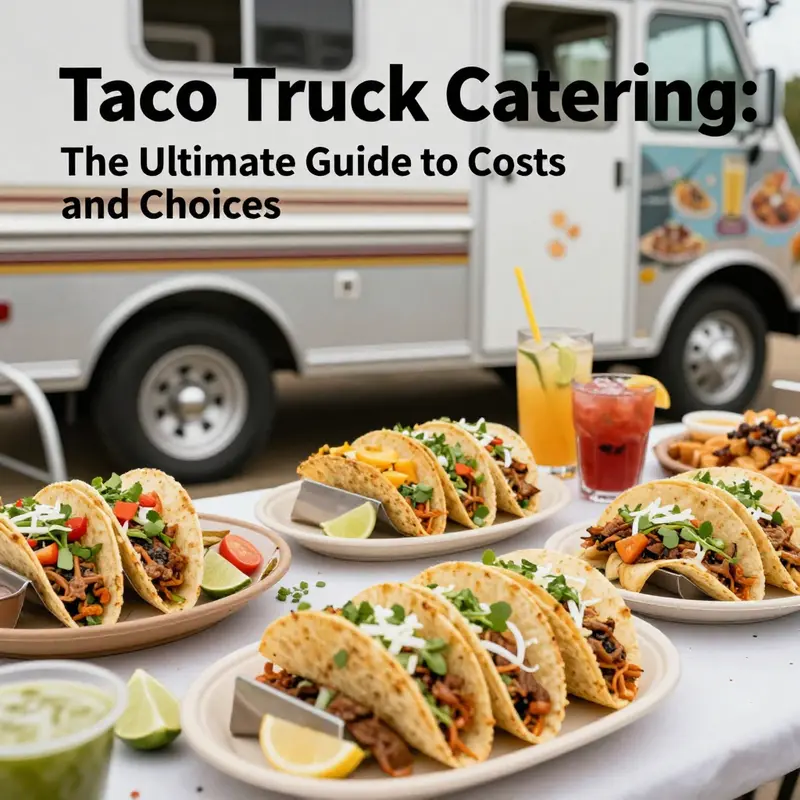
Taco trucks have become a vibrant staple in the catering industry, serving up tasty tacos and culinary delights at events of all sizes. But when planning a gathering, understanding how much taco truck catering costs can feel a bit daunting. From the choices you make to the suppliers you select, several factors will influence your budget. In this savory adventure, we’ll explore the essential elements that shape taco truck catering costs. Chapter by chapter, uncover the cost factors, compare pricing options, dive into the exciting realm of customization, and navigate the best supplier choices for your taco truck needs. Let’s taco ’bout pricing!
Counting the Cost: Understanding the Real Factors Behind Taco Truck Catering Prices
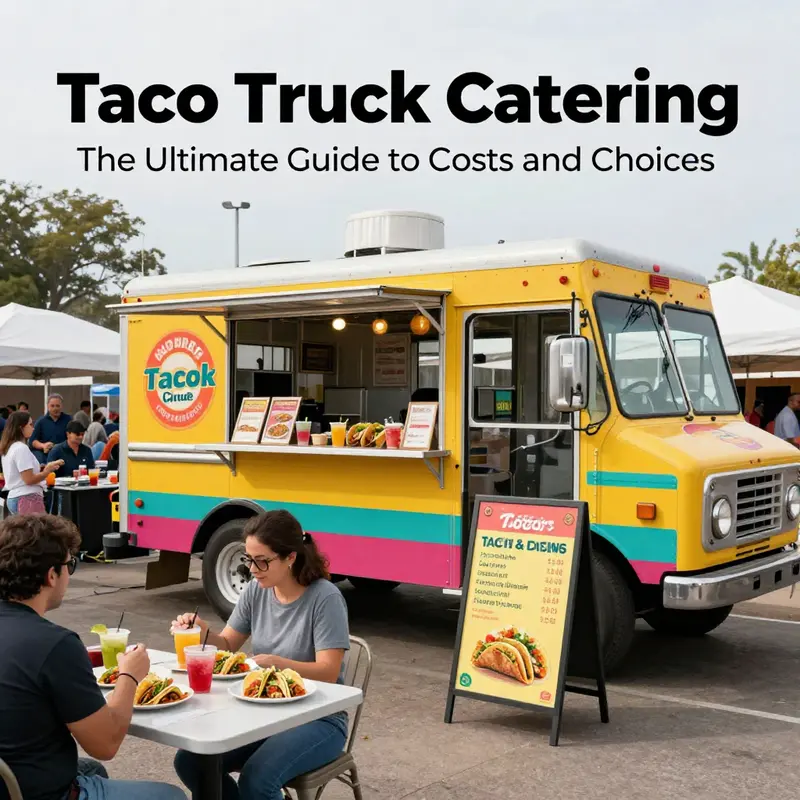
When someone asks how much taco truck catering costs, the instinct is to anchor on a single price tag. Yet the truth is far more nuanced. The sticker price on a taco truck or a catering trailer is just the opening chapter in a long narrative that includes the size of the unit, the choice between diesel and electric power, the equipment that turns a shell menu into a kitchen-on-wheels, and the regulatory and ongoing operating costs that follow every service. The numbers you see in pricing roundups reflect a spectrum of configurations and philosophies about how a mobile kitchen should perform. A retro-style mobile food truck capable of serving multiple food options might retail around seven thousand dollars, with discounts that kick in for bulk orders. A cheaper trailer or snack truck designed for one or two offerings can start as low as two thousand dollars, with bulk purchases lowering the unit price further. A mobile restaurant trailer crafted for a precise function like coffee or ice cream can sit in a similar mid-range, with relative savings when you commit to larger orders. All of these price points share a common thread: the components and choices behind them shape both upfront costs and long-term expense profiles. They also illuminate how a prospective operator should think about a budget that serves a business plan rather than merely a craving for a deal.
To understand the true price of taco truck catering, it helps to trace the principal cost drivers that appear repeatedly across markets and suppliers. First, the type of vehicle matters a great deal. A traditional diesel-powered taco truck often offers maximum mobility and independent operation, unbound by electrical access constraints. But diesel comes with higher fuel consumption, more frequent maintenance, and ongoing engine wear that can erode margins when events are frequent or travel across long distances. An electric cart, by contrast, tends to be quieter, cleaner, and cheaper to run on a per-event basis once the initial investment is absorbed. Electric options are especially attractive for indoor venues and enclosed spaces where fumes and noise are a concern. However, they tie you more closely to power sources, whether that means regular access to electrical outlets or reliance on portable generators. The electricity question becomes a strategic one: can you reliably power a well-equipped kitchen, with fans, refrigeration, and a hot grill, in the typical locations you plan to serve? If the answer is yes, the electric path can yield lower operating costs and a gentler footprint, but the upfront tab rises as you factor in the price of equipment that runs on electricity, climate control, and backup power for outdoor gigs.
Next comes the equipment specification that turns a truck into a working kitchen. A taco operation usually requires a grill or flat top, a warmer or steam table for ready-to-serve items, refrigeration for perishables, prep counters, and ample storage. Insulation and climate control become non-negotiable, especially in regions with temperature swings or where food safety authorities mandate precise storage conditions. If the setup includes fryers, a grease trap and proper ventilation add to the cost—not just the initial install, but ongoing compliance and cleaning. The inclusion or absence of features like a hood system, vented exhaust, and robust sanitation stations can swing the price by thousands of dollars and also influence how you schedule events. When a buyer weighs a new, fully customized unit against a used platform, those equipment choices often become the difference between a lean, efficient setup and a system that can accommodate more complex menus but carries higher maintenance obligations.
The initial purchase price then expands into a broader budget envelope that includes permits, licensing, insurance, and marketing. In bustling urban markets, the demand for Mexican and Tex-Mex-inspired offerings makes the regulatory landscape a critical factor. Health department licenses, business registrations, and vendor permits require attention not only to compliance but also to the timing of the purchase itself. Insurance—covering general liability, property, and, in many cases, workers’ compensation—protects the venture against accidents and operational mishaps at events large and small. Marketing costs, while sometimes overlooked in the early planning phase, play a pivotal role in converting inquiries into booked engagements and repeat business. The reality is that a strong launch plan still hinges on these essentials, even if the price tag for the physical unit looks attractive.
Beyond the baseline, the pricing you encounter in catalogs or supplier portals often reflects choices about customization and after-sales support. A basic package might include essential electric systems, core cooking capabilities, and a one-year warranty. Add-ons—like enhanced insulation, upgraded refrigeration, more powerful generators, branded exterior finishes, or advanced safety features—drive price up but can yield longer lifespans, higher reliability, and a clearer path to brand differentiation. Manufacturers frequently offer after-sales resources in the form of video guides, maintenance checklists, and remote support. While these assets are not physical assets, they carry a real value by reducing downtime and keeping a kitchen on wheels compliant and safe. Shipping and handling are the final pieces of the dissemination puzzle. For buyers far from a supplier’s plant or factory, shipping costs can dramatically tilt the total investment, especially when outfitting multiple units or planning a multi-truck fleet for a single event circuit.
The numbers from current market observations can illuminate how these factors interplay. A retro-style unit capable of handling diverse offerings may sit at roughly seven thousand dollars, with discounts for seven or more units that could bring the per-unit price toward seven thousand as a floor. Simpler, more economical configurations show up at around two thousand dollars for 1–2 units, with bulk orders driving the price per unit down into the lower end of the thousands. A mid-range mobile restaurant trailer, designed for targeted uses such as coffee service or ice cream, can be priced around four thousand dollars for small orders and near four thousand for larger orders when the fleet size increases. The consistent thread is that the total outlay is not simply the sticker price on a single trailer. It is the sum of a kitchen layout, safety systems, energy sources, regulatory compliance, and ongoing relationship with the supplier that includes after-sales support and shipping logistics. In other words, the price you see is a snapshot of a broader, evolving financial plan that should align with market opportunities and the operator’s risk tolerance.
To translate the price puzzle into a practical budgeting framework, it helps to consider the life stage of the business you intend to build. A person starting small, for example, may prioritize one or two versatile units that can work at farmers’ markets, private parties, and small corporate events. Rather than chasing the full-scale kitchen-on-wheels from day one, they might opt for a lean configuration that allows for quick setup, reliable heat, and solid cold storage. The emphasis would be on reliability and speed of service, rather than expansive menu breadth. As demand grows and revenue predictability improves, the operator can then scale by adding more units or upgrading the existing ones to accommodate a broader menu or more frequent high-volume runs. This approach not only moderates upfront risk but also creates a natural path for investment. It also aligns with the reality that many event calendars are cyclical, and a fleet strategy can smooth out seasonal fluctuations, turning a sporadic schedule into a dependable revenue stream.
For a would-be operator, the decision between a diesel and an electric path becomes a question of where you intend to operate and how often you will operate there. If most gigs are in outdoor venues with ample power supply and a pedestrian footprint, an electric cart can be a delightfully quiet and efficient daily driver. If you anticipate a strong need to reach distant or remote locations where power is scarce, a diesel-powered truck offers independence and slashable downtime due to power constraints. In either case, the most successful ventures tend to be those that balance upfront investment with scalability. A unit that is easy to maintain, simple to operate, and adaptable to service a broad range of client needs often proves a smarter long-term bet than a perfectly specialized machine that can only handle a narrow set of tasks.
The path to pricing clarity also runs through how a buyer negotiates quotes and what segments they choose to focus on. A growing number of suppliers advertise bulk discounts and multi-unit pricing to attract entrepreneurs who are building fleets. The practical benefit of such pricing is not only a lower per-unit cost but also the potential to standardize equipment across the business, which can simplify training, maintenance, and supply chain management. Although bulk discounts can improve cash efficiency, it remains crucial to assess the total cost of ownership, including maintenance, warranties, and the opportunity cost of tying up capital in inventory. This is where a careful, numbers-driven approach pays off: you estimate the flow of events, the average revenue per event, the margins after labor and fuel, and the depreciation schedule for your assets. With that frame, you can compare offers that differ in features and power sources in a way that reflects actual profitability, not just the sticker price.
Pricing conversations often extend beyond the physical unit to the ways you procure and deploy it. Some buyers prefer direct engagement with manufacturers to tailor a unit precisely to their menu and event format, while others lean toward marketplaces that aggregate quotes and provide standardized packages. Either path can yield value, but each requires diligence. When reaching out for quotes, you should have a clear picture of your target events, a rough forecast of the number of events per month, and a plan for storage and maintenance. You should also anticipate costs that arise after purchase—regular servicing, potential resale value, and the need for spare parts. If your market includes high-end corporate events or festivals, you may also want to articulate a brand story that complements the equipment and the service you offer. In those scenarios, the aesthetic and branding can have as much impact on demand as the stove and the refrigeration unit.
A practical step in translating price into plan is to examine your local context and the typical client expectations for taco catering. In many urban markets, demand for quick, flavorful, and visually appealing offerings creates opportunities for flexible pricing and menu engineering. The ability to deliver a hot, fresh product quickly is a performance that customers value, and that performance is tightly linked to how well your kitchen is configured and how efficiently you can operate it. When you price services, you should consider not just the unit cost but how you will price per event, the labor you require, and the travel time between gigs. A well-designed operation can sustain healthy margins even at modest price points by emphasizing volume and repeat business. Conversely, an overbuilt truck with high fixed costs and a complex supply chain may struggle to break even in markets with tight competition and variable demand. The art of pricing in taco catering thus blends engineering, operations, and a clear understanding of the local ecosystem—farmers’ markets, festivals, office parks, weddings, and public gatherings alike—and how each venue shapes the service model.
For those who want to anchor their budgeting in a comparative reality, it is useful to consult a detailed cost analysis that surveys industry benchmarks and supplier practices. A comprehensive external guide exists that dissects taco truck cost structures in depth, offering a framework to validate pricing assumptions and to project financial outcomes over time. This resource can help a reader gauge whether a particular configuration aligns with their market and financial goals and can serve as a reference point when negotiating with suppliers or lenders. Contributors to this body of knowledge emphasize that the most resilient plans start with a clear understanding of both fixed and variable costs and evolve toward a configuration that supports sustainable growth rather than short-term wins.
From a practical standpoint, the biggest takeaway is that taco truck catering costs are not a fixed number tied to a single feature. They are the sum of many interconnected decisions about power, equipment, regulatory compliance, and the way you plan to operate. The right choice for one operator might be entirely different for another, depending on the markets they serve, the frequency of gigs, and the ambition of the business. If you are evaluating options for a single trailer to handle a limited menu at a handful of events, you may be comfortable with a lean, cost-efficient setup that keeps capital expenditure low and allows you to test the waters. If you envision a fleet that services multiple event types across a broad geographic area, a more robust investment in gear, power systems, and brand consistency may prove worthwhile. Either path can lead to a successful venture, so long as the financial plan is coherent, the operational model is scalable, and the risk is managed through careful budgeting and proactive maintenance.
For those who prefer a guided approach to pricing decisions, one practical step is to examine what makes up the price in a given offer. Look for whether the quote includes standard features such as electric systems and basic cooking equipment, whether it covers installation or any required upgrades for compliance, and whether there is a warranty or ongoing support. Consider the total cost of ownership over a fixed horizon, such as five years, including maintenance, insurance, depreciation, and possible upgrades. It is also wise to factor in non-monetary costs, such as the time required to learn and operate the equipment efficiently, the reliability of the supplier’s service network, and the ease with which you can secure spare parts when needed. In short, pricing is a compass, not a final destination. It helps you navigate toward a business model that can attract clients, deliver a consistent product, and protect your bottom line as you grow.
If you are ready to explore options with a clearer sense of what you need, consider engaging with suppliers to request tailored quotes tailored to your intended menu and target events. You can start with a single unit for baseline testing, then incrementally scale as demand justifies the investment. In this process, the choice of power source, the breadth of equipment, and the flexibility of the unit to accommodate menu tweaks matter more than any one price figure. The conversation around cost factors becomes a conversation about strategy: which events will you chase, how will you price your services, and what level of service quality will differentiate you from the competition? The answers you derive will guide you toward a configuration that not only fits your budget but also supports a sustainable, repeatable, and scalable operation. To anchor these concepts with a practical road map, you can explore a resource that lays out the broader cost landscape and helps quantify the tradeoffs between different setups. For more technical detail, see the external resource at the end of this chapter.
If you want a compact recommendation from everything described above, start by outlining your target event types and volumes. From there, map out a lean initial setup that covers your core cooking and heating needs, plus storage and cold holding. Compare diesel and electric options not merely on upfront price but on the total operating cost over your expected event calendar. Then enrich the picture with a plan for permits and insurance, and add in potential marketing investments that will help you book more jobs. As you refine the budget, keep your eyes open for bulk pricing opportunities that align with a longer-term fleet strategy, but never let a price alone drive the decision if it would compromise reliability, safety, or compliance. In the end, the most successful taco operation is not the one with the lowest price tag but the one that delivers consistent quality, reliable service, and a business model that can grow with demand. Choosing the right food truck serves as a touchstone in this journey, reminding readers that a well-chosen platform is the foundation for every profitable catering venture. For readers seeking a deeper analytical framework, an external cost analysis resource provides useful benchmarks and methodologies to validate these choices. https://www.foodtruckforsaleusa.com/taco-truck-cost-analysis
Pricing the Taco Experience: Decoding Costs in Mobile Catering
Pricing the taco experience is less a single price and more a spectrum of possibilities, each shaped by size, build quality, and the features that turn a basic mobile kitchen into a reliable event partner. When people ask how much taco truck catering costs, they are really asking about the value of mobility: the ability to bring hot, fresh tacos to a crowd without the overhead of a brick-and-mortar restaurant. The answer, in practical terms, lies in the range of options available and how closely a unit aligns with the demands of the event, the expected volume, and the level of service that backs the equipment. The most straightforward way to frame the discussion is to start with minimum entry points and then layer in the realities that push price up or down depending on what a buyer really needs.\n\nOn the lower end of the price spectrum, entry-level mobile setups begin with compact food carts designed to handle simple items and limited cooking tasks. In the current market, a basic food cart—and with it the essential ability to churn out snacks, ice cream, or donuts—can start at around $2,950 per piece. These units typically feature a fiberglass or iron plate body, a non-slip floor, and a modest sink arrangement, usually a 1-4 compartment sink, which means you can wash up but not dish out a full restaurant-scale kitchen. They require an external power source, which keeps the unit lean and affordable, but it also means planning for electrical supply at each event. For someone eyeing a small operation or a casual catering presence, this price point represents a viable entry—one that prioritizes portability, simple utility, and lower upfront risk while delivering the core capability to serve straightforward items.\n\nIf the goal is a more complete mobile experience capable of handling a broader menu, the market offers a step up in price and capability. A standard fast food truck or hot dog cart, priced around $4,000, signals a broader appetite for mobile catering. This price bracket is designed to cover a complete mobile catering trailer that can manage items typically associated with fast casual offerings—tacos among them—alongside hot dogs and burgers. The investment encompasses a larger kitchen footprint, more robust cooking equipment, and generally better insulation and power management to handle longer service windows and higher output. In practice, you get a more durable platform, better workflow, and increased confidence that the unit can sustain a busy service without breaking down, a factor that matters for event-heavy weeks when reliability is as crucial as affordability.\n\nThese base numbers, however, sit within a much broader market context where variation is common and often predictable. Earlier price points cited for different configurations reveal a wider range: retro-style mobile food trucks priced around $7,300, with discounts on bulk orders (for example, seven or more units priced at about $7,000 each); cheaper catering trailers or snack trucks starting as low as roughly $1,980 per unit for 1-2 pieces, with a bulk price drop to about $1,680 for seven or more units; and specialized trailers—such as those designed for coffee or ice cream—priced at about $4,300 for 1-2 units and around $4,000 for larger orders. These figures illustrate how the same basic concept—on-wheels food service—can scale up or down dramatically based on performance expectations, brand positioning, and the degree of customization a buyer is willing to absorb. In other words, the price you see is a function of the engine beneath the hood and the finish around it.\n\nThe figures above correspond to the core features that typically come standard with mobile catering units. Most packages include essential electrical systems, cooking capabilities, and a one-year warranty. Yet these baseline inclusions tell only part of the story. The final price is frequently a function of enhancements that improve efficiency, safety, and guest experience. For example, climate control can be a game-changer in regions with wide temperature swings or lengthy outdoor events. Advanced kitchen appliances, larger capacities, and more durable materials translate into faster service, greater output, and lower maintenance friction over time—but they also push the ticket price higher. On the other hand, buyers who anticipate smaller events or who are cashing in on tight budgets may deliberately seek the leanest configuration that still meets local health and safety standards, accepting longer cook times and more manual processes in exchange for lower upfront costs.\n\nHowever one approaches the budgeting process, it pays to recognize the hidden costs that sit alongside the sticker price. Customization is one of the most influential drivers of total expenditure. If you envision a taco truck that not only grills and folds but also includes climate control, upgraded ventilation, a more robust water system, or a storage footprint calibrated for high-volume service, you should expect a material uplift in the price. The same logic applies to after-sales support and training. Some suppliers provide video guides, installation support, and remote troubleshooting as standard parts of the package, while others price these services separately or offer them as optional add-ons. Shipping and delivery charges can also alter the economics, particularly for buyers located far from the manufacturing hubs. In short, the price you set aside for a taco-truck-based catering plan is a function of your ambition, your risk tolerance, and how much you value reliability and speed of service under pressure.\n\nTo ground this discussion in tangible numbers, consider the two minimum figures from the detailed pricing snapshot: a Basic Food Cart starting at $2,950 and a Standard Fast Food Truck at $4,000. These are lower-bound entries, illustrating what it costs to own a functional mobile unit capable of producing tacos within a modest service window. They do not include aggressive upgrades, specialized equipment for precise taco assembly, or bulk discounts for large fleets. The contrast with the broader market examples helps to frame the reality that the price you pay for a taco-serving capability is not fixed; it is a negotiation between what you need today and what you might decide to add tomorrow.\n\nYet price alone is not the final arbiter of value. The total cost of ownership includes maintenance, parts availability, and the ease with which the unit can be repaired if a crisis hits during a festival or a long weekend. The presence of a one-year warranty is often a meaningful signal of quality assurance, but buyers should probe how warranty coverage translates into real-world support on the road. Do technicians travel to events, or is there a network of service partners? Are replacement parts readily available or do certain components require specialized shipping times? These questions matter because a unit that wears out your patience during an event inevitably destroys the day’s momentum and customer satisfaction, which is the true currency in mobile catering.\n\nFrom a budgeting perspective, several practical approaches can help trim the cost without sacrificing essential capabilities. If the goal is to keep the unit lean, one strategy is to start with a basic cart and later integrate selective features as demand grows. This staged approach allows operators to validate the business model across a few events before sinking deeper capital into advanced equipment or non-core upgrades. Another tactic is to consider bulk purchasing if you plan to operate multiple units, leveraging the bulk discount where possible. The bulk pricing scenario mentioned in the broader market examples—where seven or more units reduce the per-unit price—illustrates how volume can alter economics significantly. This is not merely a price cut; it is a negotiation around logistics, maintenance predictability, and operational consistency.\n\nThe process of pricing should also reflect the realities of event-based business. An event with 150 guests, say, invites a very different scale of operation than a neighborhood fair of 30 families. In the former, a unit that handles higher volume with consistent performance is worth more than a low-cost one that might struggle to meet demand. The choice between a compact cart and a full mobile kitchen is essentially a choice about speed, reliability, and the guest experience. It is also a choice about the brand story you want to tell: a sleek, modern taco experience can justify higher ticket prices and longer service windows, while a simpler setup may appeal to cost-conscious organizers or smaller events where a quick turnover is paramount.\n\nFor readers who want to translate these considerations into actionable quotes, the recommended path begins with a clear outline of requirements and a request for formal quotes from multiple suppliers. This is where the practical truth about pricing becomes clear: the cheapest unit may not be the best value if it lacks the capacity or durability needed for your typical events. Conversely, the most expensive configuration may not always yield a proportional return if your event profile does not demand high output or extended service hours. The midpoint—around the $3,000 to $4,500 range for base-level to standard units—often represents a sweet spot for new entrants who anticipate steady, moderate demand and who want a dependable platform to grow from. For buyers who expect to scale quickly or who require specialized capabilities (for instance, a taco-focused workflow with integrated prep and assembly stations), the total price may sit well above that range but deliver proportionate operational benefits over time.\n\nFrom a practical standpoint, one often overlooked but crucial detail is the choice between a single unit versus a fleet. A single, well-chosen unit can be a reliable anchor for a fledgling catering business. It allows you to refine your service model, test your menu, and build client relationships without the complexity of managing multiple moving parts. If growth proves robust, expanding the fleet with a second or third unit can lower per-event risk and enable you to serve more events simultaneously or in regional clusters. In this scenario, the price delta between one unit and a handful of units becomes a strategic investment rather than a mere purchasing decision.\n\nTo connect these pricing considerations to practical actions, it helps to view the buying process as a collaborative negotiation with suppliers. When you request quotes, emphasize your expected event sizes, peak service hours, and any special equipment needs (like extra refrigeration, a larger grease trap, or enhanced ventilation). Ask about deliverables beyond the shell, such as installation support, training for staff, or turnkey maintenance plans. Understand whether the quoted price includes shipping and whether there are any hidden costs, such as taxes, protective freight, or optional add-ons that you might later decide are essential. This mindset—treating the price as part of a broader service and reliability package—will often yield more meaningful comparisons than a focus on sticker price alone.\n\nAs you navigate this landscape, a helpful step is to consider internal references that align with your broader business strategy. For readers exploring the broader ecosystem of food trucks and mobile catering, a relevant touchpoint is the process of choosing the right equipment, which can be deeply informative for buyers aiming to optimize long-term outcomes. See the guidance on Choosing the right food truck to align equipment choices with your business goals and event portfolio. This connection between product choice and business strategy helps ensure that the financial plan for a taco truck catering operation is coherent across procurement, operations, and marketing.\n\nIn the end, the price you pay for a taco-catering capability is a gateway to a broader set of considerations: reliability during high-volume service, energy efficiency, ease of cleaning, and the capacity to deliver a consistent guest experience. The minimums—$2,950 for a basic food cart and $4,000 for a standard mobile kitchen—are useful benchmarks, but they only hint at the value you derive from a well-matched unit. The real question is not just how much the unit costs, but how well it enables you to meet guest expectations, sustain operations across multiple events, and grow your brand over time. If you can articulate your event cadence, menu ambitions, and service standards, you can turn a price discussion into a strategy for success on wheels.\n\nExternal resource for sourcing and further price exploration can be consulted through widely used supplier platforms that connect buyers with manufacturers and distributors. This approach complements direct inquiries to manufacturers and helps you compare configurations, shipping terms, and warranty coverage in a structured way. For readers who want to explore supplier options beyond personal networks, an established global sourcing platform offers a starting point for understanding available configurations, lead times, and customization potential. This step can be especially valuable for buyers eyeing bulk purchases or fleet expansion, where negotiating power increases with volume.
The Price Map: How Customization and Features Drive Taco Truck Catering Costs
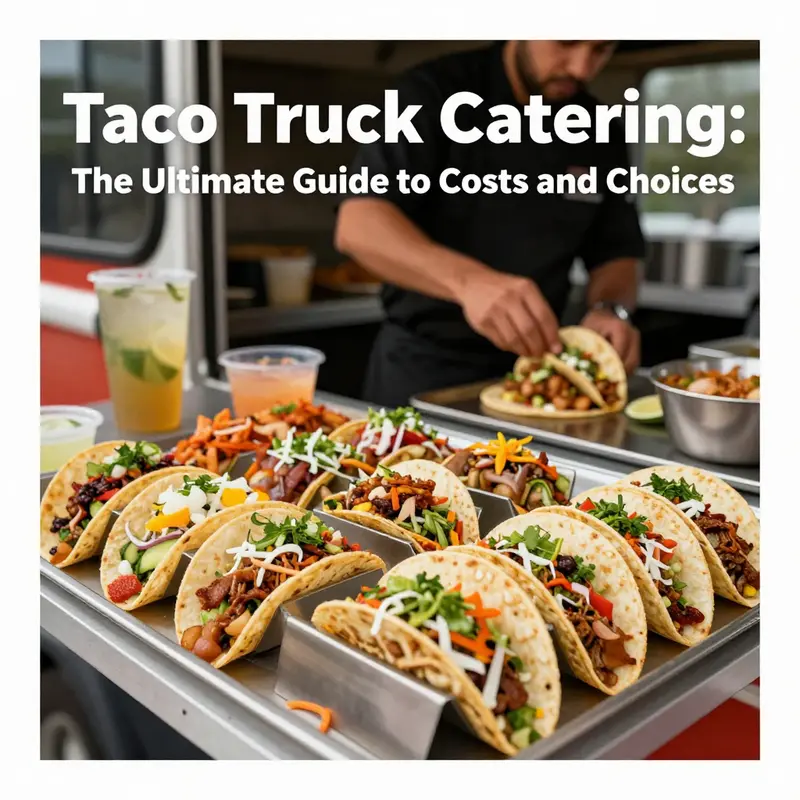
Every taco truck business begins with a question as practical as it is telltale: what will it cost to bring a mobile kitchen to life, and how far will customization push that price tag? The answer hinges less on a single, fixed price and more on a spectrum of choices that shape both the upfront investment and the day-to-day running efficiency of the operation. At the heart of this spectrum is customization—the way a shell of a trailer or truck morphs into a kitchen tailored to a specific menu, a particular pace of service, and the local regulations that govern food safety and vehicle compliance. In practical terms, customization can elevate a very lean starter unit into a system that not only serves food but also sustains a brand, a workflow, and a customer experience that stands apart on crowded streets or at bustling events. The initial price, then, is not a stand-alone number but a starting point on a continuum that moves as you add or remove features, as you redefine the kitchen layout, and as you choose between mobility and capacity.
The most basic calculus starts with the chassis and the shell. A mobile food trailer designed for simple snacks can be surprisingly affordable when bought in bulk. For instance, bulk orders can bring the per-unit price down to roughly $1,680, with a standard footprint around 2.2 meters by 1.9 meters by 2.5 meters. These entry-level units typically offer essential comforts like a sink and an external power source, and they are often constructed from lightweight yet sturdy materials such as fiberglass and iron plate, with non-slip flooring and a selection of color options. Climate control, advanced cooking capabilities, and heavy-duty ventilation are usually left on the table at this stage. The draw here is obvious: a fast path to market with reduced capital risk, ideal for operators testing a concept, experimenting with menu scope, or launching a low-overhead street presence. Yet such simplicity comes at the cost of flexibility. When the weather turns hot or cold, or when the demand surges, a trailer with minimal insulation and no integrated climate controls can strain the efficiency of service and the consistency of the product.
If the business vision pushes toward higher volume, longer events, or more diverse offerings, the next layer of investment typically lands in the kitchen layout. A taco-focused unit that features a fully equipped kitchen—complete with integrated grills, fryers, refrigeration units, and a water system—can move the price scale upward significantly. In many markets, such a fully loaded setup lands in roughly the $4,500 to $6,500 range per unit, depending on the exact configuration and the degree of customization. That range covers more than just appliances; it encompasses the interior architecture that connects those appliances to a logical, efficient workflow. Operators gain from having a defined line of sight from food prep to service, improved ergonomics for staff, and the ability to maintain precise temperatures and consistent-food quality across a larger menu. The upgraded interior often comes with better insulation, more robust electrical systems, and the capacity to support multi-compartment sinks, specialized ventilation, and dependable water management. All of these additions contribute to a safer, more sanitary operation and a smoother service experience for customers who expect a predictable taco quality, even in the rush of a lunch crowd or a weekend festival.
Another pivotal decision is the choice between a mobile trailer and a powered truck. Trailers tend to be cheaper upfront but require towing, which introduces ongoing costs like maintenance, insurance, and sometimes a dedicated supporting vehicle for logistics. Powered trucks, in contrast, deliver greater mobility and immediacy—the ability to park and serve in places where a towed trailer might be impractical or where immediate repositioning after a service is advantageous. The price gap between these two options reflects not only the mechanical differences but also the operational realities they enable: a truck can be a more agile brand presence at a late-night venue or a high-footfall event, while a trailer can be a leaner, lighter footprint for a startup seeking to minimize capital outlay.
What sometimes looks like a simple swap—a few more burners, a bigger fridge, a different layout—can cascade into a much larger project when you consider the downstream effects. Each additional feature has a cost that compounds across installation, wiring, ventilation, and compliance. A fully tailored interior with an optimized workflow may require a custom exhaust system to manage grease and heat, a dedicated cold chain to preserve ingredients, and an integrated hot-water and wastewater setup that meets local health codes. These systems, while essential for serious food preparation, add a layer of complexity and a corresponding uptick in both labor and materials. The final sticker price reflects not just the sum of appliances but the sophistication of the integration—the way the kitchen communicates with the service area, how easily a crew can move through its space, and how reliably the unit can perform under the pressure of peak service times.
In this context, the surrounding features—insulation, climate control, and automation—often become the decisive factors for long-term profitability. Insulation is more than comfort; it is energy efficiency and food safety. A well-insulated trailer or truck reduces the energy needed to maintain safe temperatures, which translates into savings on electricity and more stable operating costs. Climate control adds value by keeping staff comfortable and preventing equipment from overheating in hot environments, which in turn reduces wear and tear and the likelihood of breakdowns during crucial service periods. Automated systems—such as programmable water heaters, modular sink configurations, or smart monitoring for temperature and power consumption—introduce an additional layer of reliability and consistency. While they add upfront cost, these technologies can shorten service times, minimize waste, and protect the quality of sensitive ingredients. For a taco operation that depends on high turnover and food safety compliance, the investment in automation and climate resilience can pay for itself through more reliable throughput and fewer service interruptions.
Some operators focus intensely on the long-tail savings produced by better design. A carefully planned interior layout reduces unnecessary motion, speeds up line work, and minimizes cleanup time between customers. For instance, a multi-task setup that aligns grilling, steaming, and cold storage in a logical sequence can dramatically cut bench-to-counter time. The economics here are often summarized as throughput per hour. If a kitchen layout can keep more orders moving without bottlenecks, the business can justify a higher per-hour price or higher daily volume, ultimately improving gross margins. This is the quiet, strategic reason many seasoned taco entrepreneurs invest in space planning and workflow optimization before pricing strategies or marketing plans. The initial outlay for a better kitchen pays back in more consistent service, smoother crew shifts, and less risk of service gaps during busy windows.
The total landed cost for any given unit is influenced by more than the raw price of equipment. Shipping, installation, and after-sales support can noticeably tilt the final figure. Some suppliers include installation guides and video tutorials as part of a warranty package, while others offer more comprehensive onboarding that covers maintenance routines, safety checks, and calibration of appliances. For a buyer negotiating a deal, the total price is the price of the unit plus the cost of delivery, any applicable taxes or duties, and the value of post-purchase support. These after-sales services can extend the useful life of the unit and reduce the risk of costly malfunctions early in the relationship between owner and supplier. In practice, a robust after-sales program may be valued as a percentage of the unit price, or may be bundled as a single maintenance package that spans the first year or more of operation. Either way, these components should be weighed alongside the headline price to understand the full financial commitment and the long-term predictability of operating costs.
Given the variability in options, it can be tempting to anchor expectations around a single “average” price. Yet the market rarely conforms to a single figure, precisely because every business model has its own menu, its own service speed, and its own regulatory environment. For the street vendor aiming at a tight menu and a compact footprint, the most sensible path is to start with a baseline unit—be it a basic trailer or a modestly equipped truck—and then map out a tiered plan of upgrades aligned with the anticipated demand and the level of service consistency desired. This approach makes price a controllable variable rather than a fixed fate. It helps an entrepreneur forecast not only the upfront capital requirement but also the ongoing operating costs that define profitability. The goal is to align the truck’s features and level of customization with the business model, so that every dollar spent on the kitchen becomes a multiplier for revenue rather than a latent cost. If the plan calls for a compact, efficient, and cost-conscious first unit, it is still possible to achieve strong market presence and customer satisfaction while laying the groundwork for future expansion.
For operators who want a quick reference point, it helps to frame the decision around a simple thought: what is the current size of the menu, what is the expected service velocity, and what kind of events or locations will you target? A lean, high-velocity taco operation at lunch markets or street corners can do well with a smaller, simpler trailer and a focused set of equipment that emphasizes speed and reliability. A more diverse, multi-option kitchen designed for festivals or catered weddings will justify a larger investment in top-tier appliances, more elaborate plumbing, and a robust climate control system to protect both staff and product in varying environmental conditions. In essence, customization is a tool to calibrate the unit to the job at hand. The more precisely the interior design mirrors the real-world demands of your business, the more you are likely to optimize both cost and performance over time.
A key step in this calibration is to carefully assess the total cost implications of adding or removing features. It is not simply about adding another burner or another fridge; it is about the cumulative effect on installation complexity, electrical load, ventilation capacity, and compliance considerations. When expansion is on the horizon, it can be more economical to build in scalability from the start. This might mean larger service counters, modular refrigeration compartments, or flexible power systems capable of handling future upgrades. Conversely, if the early plan is to keep the operation lean and focused, you may opt for a minimal, reliable setup with robust core components and a straightforward maintenance regime. In either case, the price map should be drawn with an eye toward the total cost of ownership—the sum of acquisition, installation, operation, maintenance, and eventual replacement or upgrade—rather than the sticker price alone.
For readers seeking a practical starting point on choosing the right configuration, a resource that explores the decision-making framework for selecting a mobile kitchen can be helpful. It guides aspiring operators through questions about space, menu, and mobility, and it connects those answers to a realistic cost trajectory. Choosing the right food truck offers a thoughtful pathway for aligning your business goals with the features that matter most to both service quality and cost control. While the precise numbers will vary by supplier, geography, and timing, the underlying principle remains constant: the most effective investment is the one that directly supports your intended menu and service model, with room to grow as demand calls for it.
As with any major equipment purchase, it is essential to complement the internal assessment with thorough market research and supplier dialogue. The figures cited in industry summaries—entry-level trailers at around $1,680 for bulk orders, up to $4,500–$6,500 for fully equipped kitchens—represent broad ranges that accommodate a wide spectrum of ambitions. Shopping for a taco truck is not about finding a single price point; it is about discovering a configuration that resolves the tension between desired capabilities and available capital. The most astute buyers approach the process with a staged plan: begin with a solid, compliant base unit, validate the market with early sales, and then incrementally add features that meaningfully improve throughput, food safety, and customer experience. In this way, customization becomes not a luxury but a disciplined instrument of strategic growth.
The final cost picture also reflects the broader ecosystem around the vehicle—the shipping routes, the installation choreography, and the aftercare arrangements that sustain the kitchen in the field. It is easy to overlook the way ongoing support and accessible replacement parts reduce downtime and lost revenue. In environments where months can pass between major upgrades, the ability to access reliable service quickly can be the difference between a thriving weekend operation and a near-mear disaster when a key component fails during a peak service window. Assessing these factors alongside the quoted unit prices helps entrepreneurs form a more robust financial plan. It is not just about a price tag; it is about the resilience of the business model you are building and the degree to which your kitchen can adapt to shifting customer preferences, regulatory expectations, and seasonal demand.
The path from concept to fully operational taco kitchen is rarely linear, but it can be navigated with clarity. If you begin with a realistic assessment of your menu, your service tempo, and your ideal service locations, you can chart a cost curve that grows in step with your ambitions. A basic trailer may suffice for a tested concept, while a fully equipped truck can unlock higher service standards and more expansive sales opportunities. In either case, the key is to ensure that every added feature serves a concrete business need—whether it is improving food safety, accelerating service, or enabling a broader range of menu items. When the objective is to deliver consistent, delicious tacos at scale, the price map becomes a guide for disciplined investment, not a random sticker shock. The more you understand how each customization choice translates into throughput, quality, and reliability, the better you can plan the capital expenditure, secure financing if needed, and position your taco operation to thrive in a competitive catering market.
External reference: https://www.made-in-china.com/products-search/hot-selling/food-catering-food-trailers-fully-equipped-taco-truck-mobile-kitchen.html
Choosing the Right Path: Navigating Supplier Options for Taco Truck Catering
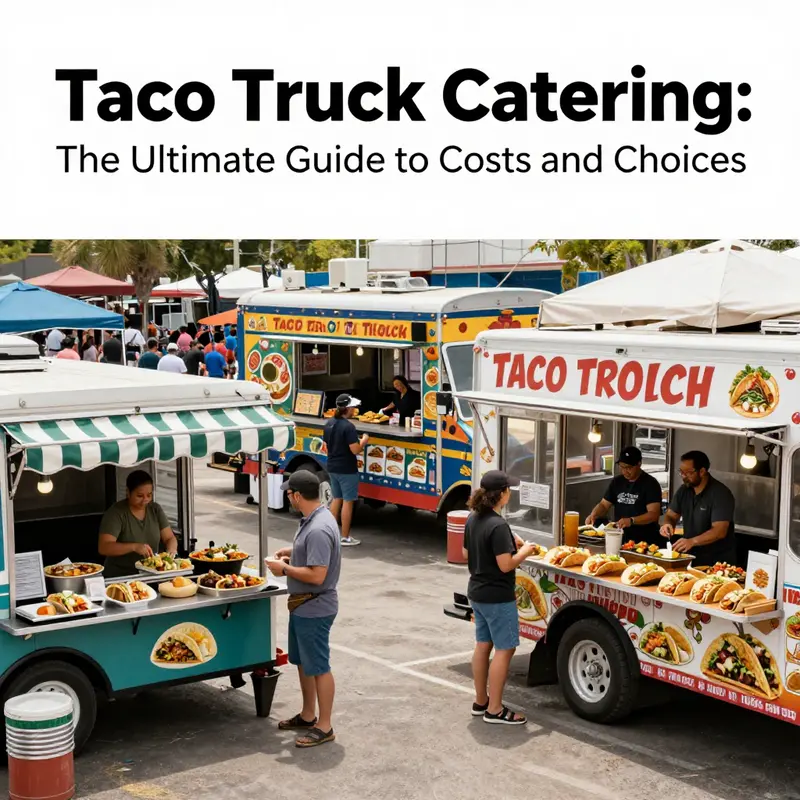
Every taco business begins with a question most owners don’t realize is the most consequential: what kind of mobile kitchen does the operation truly need? The answer sits at the intersection of budget, menu scope, event cadence, and the realities of how and where you’ll serve. From the first conversation with a supplier to the moment you roll up to your first paying customer, the choices you make about the mobile kitchen format will shape your reliability, your ability to scale, and the level of service you can sustain over time. In this landscape, the price of taco truck catering is not a single line item but a spectrum that reflects capacity, power, refrigeration, and the degree of customization you require. The market already demonstrates a broad set of configurations. A basic entry point exists in manual taco carts, compact little rigs designed to serve at short events like weddings or intimate parties. They are the leanest option, often without built-in refrigeration or heating systems. They can be perfectly adequate for one-off promotions or seasonal pop-ups, but their limitations can become a bottleneck quickly if you embark on regular service or longer events. For operators who anticipate a steadier cadence, electric taco carts provide a clear upgrade. They deliver consistent heat control through electric grills or stoves, and they bring benefits that matter for the day-to-day realities of a busy kitchen: cleaner operation, quieter work environments, and safer combustion profiles. Yet they come with a higher upfront cost and a practical constraint—the need for reliable access to electrical power. That means you must either secure power outlets at every site or bring a generator, which introduces additional considerations around noise, fuel consumption, and transport weight. Then there are fully equipped food trailers. When a caterer needs to anchor a long-term schedule, travel across multiple venues in a day, or sustain a broader menu, a trailer with integrated refrigeration, cooking, and ample storage becomes appealing. These units are designed for longer events and more regular operations, where the investment pays off in throughput and the consistency of a brand experience. In the balance of cost and capability, price bands start to illuminate what you are buying and what you are trading away. For a basic, lean set of options, a few thousand dollars can cover a simple trailer or cart—but when you stack in refrigeration, multi-burner stoves, and robust power systems, the numbers move higher, sometimes into the higher four figures for 1–2 unit configurations, or into the range of seven thousand dollars or more for bulk purchases and more capable setups. In some pricing ecosystems, bulk ordering yields discounts that move the per-unit price down when you buy seven or more units, a potential lever for a café or festival operator planning a small fleet. These price signals are not arbitrary; they reflect the life cycle costs embedded in the equipment: the electrical system’s reliability, the strength of the cooking hardware, the insulation and airflow, and the availability of after-sales support that will matter far beyond the initial sale. It is not unusual for suppliers to bundle basic kits with one-year warranties, video tutorials, and replacement parts guarantees as standard features. Such inclusions matter, especially for operators who need to hit tight event windows without delays caused by spare parts or ambiguous maintenance expectations. The strategic question becomes how to adjudicate your needs against these options, and how to verify what you are buying in the moment you sign a quote. Customization is the invisible driver in many of these transactions. A taco business is rarely a one-note operation, and the capacity to adapt a mobile kitchen to more than tacos—perhaps to offer coffee, beverages, or even another small menu item in the same route—can be a decisive factor. Suppliers frequently advertise modular configurations that can be swapped or expanded. A cart designed for tacos, pizza, or coffee, for example, might be marketed as a single platform with optional add-ons like refrigeration drawers, extra burners, or a larger water reservoir. The practical value of customization is meaningful, but it also invites complexity: more features can mean longer lead times, higher shipping costs, and more granular post-sale support requirements. In evaluating suppliers, then, a buyer becomes less of a pure price shopper and more of a strategic planner who asks questions about durability, service, and total cost of ownership over time. A robust approach recognizes that price alone is a poor proxy for value. It is equally important to weigh the quality of the electrical system, the integrity of the cooking surface, the insulation and weatherproofing, and how the unit is constructed to endure frequent travel and repeated assembly. The research landscape highlights that the market is comfortable offering a range of configurations, and that the supplier ecosystem is large enough to accommodate a spectrum of business models—from a boutique event company using one well-tuned unit to a caterer building a portable fleet that can service multiple cities on weekends. The models described in supplier listings tend to cluster around a few core shapes: basic manual carts that are simple and portable, electric carts that offer reliable heat with improved safety margins, and fully equipped trailers that deliver the most comprehensive kitchen footprint in a mobile footprint. Each category has its own pros and its own constraints. The manual carts are light and inexpensive, but they cap operational duration and capability. Electric carts offer cleaner operation and stronger control over cooking temperatures, yet they demand reliable power access and come with higher upfront costs. Fully equipped trailers bring space, refrigeration, and robust cooking options, but they require more substantial capital investment and more careful logistical planning for transport and site readiness. For operators who are scaling or who host regular events, the possibility of bulk purchasing adds a new layer to the decision calculus. When seven or more units exist in a single order, many suppliers price-break at the per-unit level. That can translate into meaningful savings, especially for a business plan that involves deploying more than a handful of units at a time—think multi-venue festivals, corporate events, or a network of pop-up kitchens. But bulk pricing does not exist in a vacuum; it is typically conditioned on longer lead times, standardized configurations, and broader after-sales commitments from the supplier, including installation guidance, maintenance support, and sometimes remote diagnostics. These elements matter, because the value of a mobile kitchen extends far beyond the moment of purchase. A one-year warranty, as commonly bundled with many listings, is a baseline expectation; buyers increasingly seek longer coverage or options for extended maintenance plans, especially for fleets. Some listings go further, offering video instructions, replacement parts guarantees, and a structured path to after-sales service that can include remote troubleshooting or on-site support. The practical effect of such services is that they reduce the total cost of ownership by reducing downtime. When you are operating a taco business, downtime can be costly: missed shifts, spoiled inventory, and lost revenue quickly compound if the equipment fails just before a busy event. In the supplier selection process, technology assists the buyer as much as the hardware does. Platforms that facilitate direct inquiry and RFQ submissions enable buyers to compare pricing, specs, and service terms from multiple vendors in one place. For buyers who want to avoid surprises, reliable trading histories and secured payment options are essential. Verified suppliers with positive ratings and documented track records stand a better chance of delivering on time and with the promised features. In today’s market—especially as of early 2026—availability of immediate shipping or on-demand production has become a meaningful differentiator. Time-sensitive catering events require that a unit be ready to ship quickly, or that a vendor can promise production capacity to meet a looming date. The interplay between price and speed can tilt a decision, even when a slower option might be marginally cheaper. The key is to align expectations with the realities of the event calendar and your budgetary discipline. When you step back to assess supplier options, you are not merely choosing a cart or trailer. You are selecting a partner in your business journey. That choice should weigh cost against capability, mobility against reliability, and the assurance of post-purchase support against the convenience of a quick quote. It is a balancing act that rewards a disciplined approach: compare apples to apples, verify what is included in a unit’s baseline configuration, and insist on transparent terms for shipping, installation, training materials, and warranty coverage. The process can feel procedural, but it is in fact about safeguarding your operational continuity and ensuring your customers receive consistently high-quality service, whether you are serving at a wedding, a festival, or a corporate event. A practical way to navigate this landscape is to begin with a clear map of your event model. How often will you operate? In which environments will you serve? What menu breadth do you anticipate, and how will that influence refrigeration, storage, and heat? Then you can map those needs to the three core kitchen archetypes described earlier, and begin to test the fit with suppliers who can demonstrate the exact features you require. If your plan includes expansion or diversification, consider modular configurations that can grow with you. Even if you are currently focused on tacos, the ability to layer in other offerings with minimal disruption can be a powerful strategic advantage. As you build this picture, keep your eyes on the total cost of ownership rather than the initial sticker price. Factor in shipping costs, installation charges, and any recurring maintenance fees. Consider the value of post-sale resources: video tutorials, spare parts availability, and remote technical support. These elements reduce downtime, which, in a bustling catering business, translates into more service windows and more revenue. The supplier landscape described in the research results suggests that well-structured support ecosystems — including clear warranty terms and accessible after-sales guidance — are as important as the hardware itself. A unit that ships quickly but leaves you waiting weeks for a crucial component is not a viable partner for a business that thrives on timely events. The choice, then, is not simply a matter of selecting the cheapest option or the unit with the most bells and whistles. It is about marrying your business model with a supplier who can deliver consistent performance, reliable maintenance, and scalable growth. For readers who want a practical pathway to decision-making, there is a broader buying framework that helps anchor choices in real-world needs. Start by identifying your non-negotiables: power availability, refrigeration capacity, and the minimum cooking space required to execute your menu with consistent quality. Then define your wish list of enhancements: the option to upgrade to a larger generator, the inclusion of point-of-use water filtration, or the possibility to add a second heat source for tempo control during peak periods. Finally, create a decision rubric that assigns weight to price, delivery speed, warranty length, and after-sales support. This rubric provides a transparent basis for negotiating quotes and can help prevent scope creep that erodes margins over time. In the end, supplier selection is as much about relationship and capability as it is about price. You want a partner who can respond rapidly, deliver with reliability, and stand behind the product long after the check clears. If you want a practical frame of reference as you consider your choices, you can explore guidance on choosing the right food truck in a complementary resource that speaks directly to this decision process. The path to a satisfying purchase is a combination of due diligence, clear requirements, and a supplier that aligns with your strategic goals. External factors, such as the ability to secure immediate production capacity or favorable shipping terms, can provide a competitive edge in time-sensitive scenarios, but they should not eclipse the fundamental needs of your operation. For a deeper dive into the practicalities of shopping for this kind of equipment, including a broader view of trailer and cart configurations and the kind of post-purchase support to expect, the landscape offers a robust set of reference points that you can map onto your own business plan. Within this framework, the connective tissue is the willingness to compare across multiple vendors, to ask pointed questions about power, refrigeration, and durability, and to insist on clarity around installation and training. When you blend price awareness with a clear sense of the functional requirements, you create a foundation that supports a sustainable, scalable taco operation. The decision to invest in a mobile kitchen is never merely about equipment; it is about creating a reliable platform from which you can build your brand, satisfy customers, and navigate the unpredictable rhythms of events and festivals with confidence. To further contextualize the supplier landscape and see how others navigate these choices, you can consult a detailed catalog of mobile kitchen configurations and their typical feature sets. Choosing the right food truck. Additionally, for a broader reference on how to approach food-truck investments and maintenance, consider external resources that discuss the reliability and long-term considerations of fleet-based catering. External resource: https://www.alibaba.com/product-detail/California-Camping-Trailer-Food-Truck-Food-Vending_1600437818858.html?spm=a2700.18677454.0.0.41c547a3oHrWgY
Final thoughts
In closing, understanding taco truck catering costs is crucial for anyone wanting to add a delicious twist to their events. By familiarizing yourself with the diverse factors influencing these prices—from the types of trucks available to the customization options and reliable suppliers—you’ll be better equipped to create an unforgettable taco experience. Remember, tacos are not just food; they are a celebration of flavor, creativity, and community. So, when planning your next gathering, embrace the taco truck phenomenon and serve up a feast that’s as vibrant and festive as your event itself.