
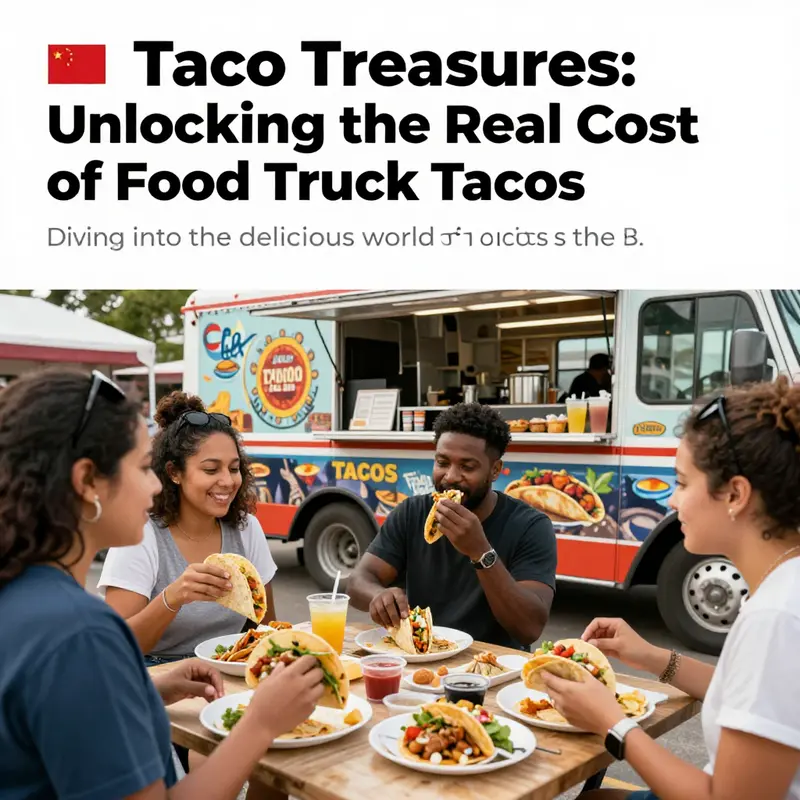
For taco lovers and foodies alike, the humble taco from a food truck tantalizes both the taste buds and the wallet. But how much do tacos really cost at food trucks? Whether you’re craving a traditional carne asada or an extravagant gourmet version loaded with premium ingredients, understanding taco pricing is essential. In this journey through the flavorful world of food truck tacos, we’ll uncover pricing strategies, examine factors that influence cost, and explore regional variations that make taco pricing truly unique. So, gather your appetite and let’s dive into this savory exploration together!
Pricing the Taco: How a Food Truck Balances Cost, Value, and Street Cred
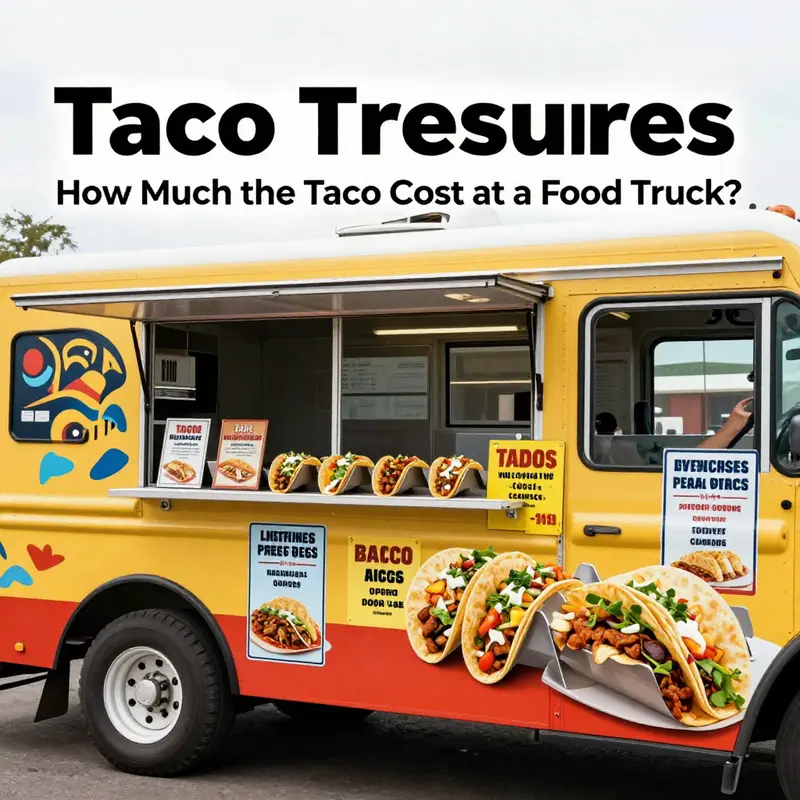
Pricing a taco on a food truck is a negotiation among cost, value, and the street mood. It is not just a number on a chalkboard; it is a signal about ingredients, time, and the story the truck wants to tell. Prices emerge from a balance of cost structure, customer expectations, and the operator’s long view for growth. On the curb, price is both shield and invitation: a shield from thin margins and a signal that the experience is worth paying for; an invitation to try something that promises speed, warmth, and flavor.
Costs are built from three anchors: ingredients, labor, and overhead. Ingredient costs vary with season and supplier relationships. A simple taco built on a reliable tortilla, a modest protein, onions, cilantro, lime, and salsa can be priced in a way that reflects steady margins. If a truck adds house made tortillas, premium proteins, or special toppings, the ingredient line climbs, and price often follows. Labor matters too: faster service with a lean crew keeps the price accessible, while a more curated experience with attentive service can justify a higher price point. The amount of time and skill required to prepare a dish is part of the value customers perceive.
Overhead costs such as permits, fuel, maintenance, and payment processing are the invisible backdrop. They press a floor under price: in neighborhoods with higher rents or stricter rules, the base price may rise. Seasonality adds its own twists when costs shift with supply chains. Smart operators respond with bundles, menu adjustments, or occasional surcharges that keep margins stable without eroding trust. The better approach is to offer value rather than to merely defend a price: combos, loyalty perks, and clear labeling of what is included create a sense of fairness that invites repeat visits.
Pricing strategies often follow a tiered structure. A reliable baseline taco sits in a value tier, while signature or chef inspired versions sit at higher tiers where premium ingredients and refined technique are rewarded. This tiering helps a truck cater to different customers—those chasing a quick, affordable bite and those seeking novelty or craft. It also cushions margins when the market shifts and ingredient costs rise. A well designed menu communicates the relationship between price and value with clarity, so customers understand that a higher price is tied to a better or more distinct experience, not simply to a bigger bill.
Finally, price is a communication tool. It conveys the speed of service, the care in preparation, and the trust the operator cultivates with customers. Clear pricing, simple payment options, and fair tipping expectations reinforce the sense of value. In practice, successful trucks monitor costs in real time, test price changes carefully, and gather feedback from regulars. They adjust not only the numbers on the board but the story that price tells about quality, consistency, and hospitality.
As with any business, there is no universal price for a taco. The right price thickens with local context, customer priorities, and the crew behind the counter. The goal is to price with purpose, not to chase market trends blindly, and to maintain a stable, humane relationship with customers who trust that the truck will deliver good value every time they stop for a bite.
Inside the Price Tag: How Ingredient, Location, and Labor Shape Taco Costs at Food Trucks
Taco prices at food trucks rarely exist in a vacuum. They ride along with a constellation of choices, constraints, and competitive pressures that combine to form a price tag that can vary as surely as a salsa heat level. When you walk up to a mobile grill in a sunlit lot or pull into a busy curbside corridor, the price you see on a sticker or chalkboard is the visible edge of a larger economic story. The story begins with what goes into the taco, but it stretches well beyond the plate to the building blocks of the business model, the geography of the truck’s home base, and the labor required to turn raw ingredients into a consistent, shareable bite. Across cities and neighborhoods, a typical single taco might fall somewhere within a range that feels familiar, yet the precise number you pay at any given truck tells you much about the supply chain, the real estate market, and the everyday labor that keeps the operation moving. In practical terms, the average price you encounter in many major urban markets tends to drift between modest midrange and the higher end of casual dining expectations, with the most economical options offering solid value while premium offerings lean into craftsmanship, sourcing, and experience. The exact figures shift over time as costs rise and fall, but a coherent pattern remains: price is a signal of cost, quality, and the kind of experience the truck aims to deliver. The way those signals blend shapes the price you ultimately pay, and understanding that blend helps both curious diners and aspiring operators gauge not just how much a taco costs, but why it costs what it does.
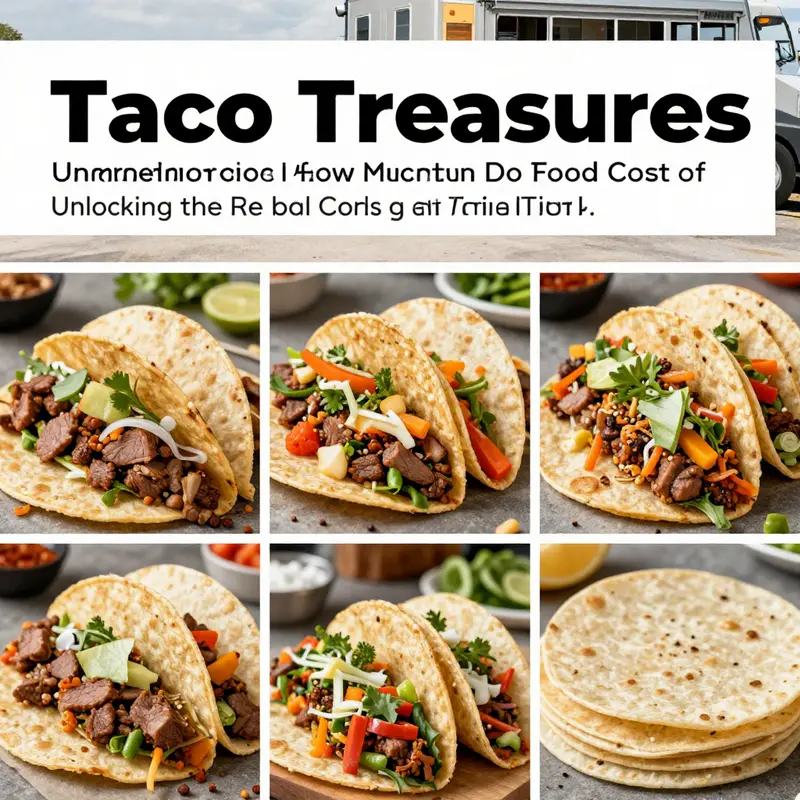
At the heart of price formation are the core ingredients themselves. Meat often anchors the cost, and the choice of cut can tilt the math one way or the other. A straightforward carne asada might keep the per-taco cost in a comfortable zone, while premium preparations relying on specialty proteins or organic options can push prices upward. Al pastor, with marinated pork infused with a tangy, smoky profile, brings its own cost dynamics, balancing fat content, marinade ingredients, and the longer marination times that yield deeper flavor. The tortilla is another variable, and not every crowd is equally forgiving of a soft corn tortilla versus a flour tortilla, or the decision to source house-made tortillas that carry a premium for labor and technique. Fresh produce, herbs, citrus, and salsa components add to the ledger in small, iterative ways. A season’s supply chain hiccup—whether due to weather, a labor bottleneck, or a shift in market demand—can ripple through to price as trucks adjust menus to preserve margins. And in recent years, the equation has grown more intricate as consumers increasingly expect flavor and sustainability to align; this encourages trucks to highlight locally sourced produce, grass-fed or heritage proteins, and artisanal seasonings, each choice nudging the price upward but often enhancing perceived value.
Location is a second, equally potent driver of price. A truck parked in a dense downtown core or a bustling tourist corridor faces a different cost structure than one operating in a neighborhood with steadier foot traffic but lower rents. Urban centers command higher real estate costs, and those costs do not vanish when the lunch crowd disperses; they simply shift to the price the business must charge to maintain operations and a predictable cash flow. Permits, parking fees, and citywide compliance costs pile onto the overnight tab and get amortized across a daily mix of sales. The proximity to competition matters too. A cluster of food trucks in a high-traffic square can create a semi-competitive marketplace where slight price differences might be offset by draw and convenience. Conversely, trucks in more residential areas may emphasize affordability and consistent deal structures to build a loyal local following. The geography of a truck’s home base also shapes the labor market, which loops into the price narrative in a way that is often underappreciated by casual observers. In markets with higher minimum wages or a strong union presence, pay scales can rise noticeably, and those costs cascade into menu pricing as operators adjust to sustain a sustainable margin. The result is a dynamic equation where price responds to place as much as to product.
Labor costs, finally, are the quiet engine behind the price tag. The chef, the line cooks, the prep help, and the person who handles the register all contribute to the per-taco cost in a way that’s easy to overlook when you’re focused on the sizzle. In many cities, entry-level wages have risen in response to broader labor-market shifts, and the culinary labor market has become more selective about hours, schedule flexibility, and cross-training. The balance between labor efficiency and customer experience is delicate. A truck offering a quick, high-volume service can keep prices lower by moving more tacos per hour, but that efficiency often comes at the expense of customization or gourmet flourishes. On the other hand, a truck that emphasizes a curated, better-than-average experience—careful knife work, precise marination, attention to tortilla texture, and prompt, courteous service—may justify higher prices through elevated perceived value. In both cases, the operator’s model matters: whether the business leans into volume with straightforward builds or leans into craft with a more elaborate assembly and plating approach. Each model has its own sweet spot in pricing, and diners can often sense the difference in the rhythm of service and the attention to detail that accompanies the meal. These labor-driven costs are rarely inked in isolation on a menu; they are folded into a broader pricing strategy that also reflects brand identity, target customers, and the experiential promise a truck makes.
Taco pricing is also a matter of brand identity and business strategy. Some trucks position themselves as purveyors of a premium, artisanal experience—house-made tortillas, carefully sourced meats, and a flavor profile that emphasizes uniqueness and storytelling. In these cases, higher ticket prices can be justified by the alignment of taste expectations with a more immersive or chef-led narrative. Others chase affordability and high turnover, aiming to build a strong daily volume and predictable margins through lean operations, simplified menus, and consistent portions. The branding choices extend to payment methods, with a growing number of trucks embracing credit cards and even embracing certain service norms around tipping. The shift toward more formalized service models has helped some operators expand the range of customers they can serve, while also elevating customer expectations around value and experience. When a truck’s branding signals value, customers may be more tolerant of incremental price increases if they feel the overall experience improves—quicker service, cleaner setups, and clearer, transparent pricing that makes sense in the context of the brand.
All these threads converge in a practical pricing reality. Across many cities, a single taco often lands in a range that reflects a mix of base ingredient costs, location-driven expenses, labor outlays, and the chosen business model. In a broad sense, the math often lands somewhere between a modest three to eight dollars per taco, with the exact figure shaped by the ingredients and the context of the sale. This does not mean a universal law, but rather a pattern grounded in the economics of street-food entrepreneurship: the more complex the supply chain, the higher the price; the more favorable the location and the larger the volumes, the lower the incremental price per unit can be. In high-demand areas where rents are steep and demand is persistent, you’ll see more variation, including higher prices for specialty offerings that promise unique textures, rare ingredients, or seasonal flavors. In lower-cost markets with a steady rhythm of lunchtime habit and loyal neighborhoods, you may find robust value with tighter margins, where the price per taco remains modest but the overall daily revenue stays strong through repeat business.
The pricing picture also intersects with consumer expectations and the broader economic environment. Some guests come to a truck with a willingness to pay a premium for a sense of occasion—an outdoor dining moment that blends food with social energy, the aroma of grilled meat, and the immediacy of a quick meal without the formality of a sit-down restaurant. Others are budgeting carefully, comparing options from multiple trucks in the same corner, weighing portion sizes, and looking for clear value signals, such as consistent portioning, predictable heat levels, and reliable quality across daily specials. In this context, pricing becomes not only a reflection of costs but a communication tool. A well-communicated price, paired with transparent sourcing statements or a short note about the quality of ingredients, can create trust and a strong sense of value even when a price is on the higher side for the neighborhood. Conversely, a price that seems disconnected from the strength of the product or the reliability of service can erode trust and push customers toward other options that feel more aligned with their expectations.
Beyond the immediate dining decision, many diners use price as a heuristic for quality. A taco that carries a higher price is often interpreted as a signal that the truck is investing in better ingredients, more careful preparation, or a distinctive flavor profile. That perception, in turn, can justify the premium in the minds of consumers, helping to sustain price levels in a competitive market. Yet there is a countervailing force: when prices climb too quickly or when the perceived value does not track closely with the actual experience, customers may seek alternatives, switch to different trucks, or opt for simpler menu items that deliver better price-to-value ratios. The tension between price and perceived value is a teachable moment for both operators and diners. For operators, it’s a reminder that pricing is not a one-off decision but an ongoing calibration that must respond to supplier cost changes, labor market movements, and the evolving expectations of a city’s food culture. For diners, it’s a reminder to look beyond the price tag and consider what the price encompasses: the story behind the ingredients, the skill of the person behind the grill, and the overall experience of a quick, flavorful meal on the go.
In practical terms, if you want to gauge the price landscape in your city, it helps to compare within a local ecosystem. Online directories and market guides can provide snapshot data that reveals prevailing ranges and how much variation exists across different neighborhoods, types of taco, and service models. A useful reference for real-time pricing and current menu options can be found on active local directories where several trucks are listed side by side, offering a sense of how much different offerings cost and what a given taco includes. For a broader sense of the economics that shape all food-service pricing, the U.S. Bureau of Labor Statistics tracks consumer and producer costs, wage trends, and price movements that influence restaurants and mobile food operations over time, which can illuminate why the price tags you see today look the way they do. If you want a practical entry point that speaks directly to the street-food economy and the everyday decisions behind a taco’s price, this approach—seeing the live options nearby while grounding your understanding in macro data—helps connect the bite on the plate to the numbers in the ledger. For a helpful exploration of industry context and ongoing conversations, you can also explore resources and discussions captured in industry blogs and guides that profile how trucks balance flavor, speed, and cost in fast-moving markets. Fireduptacotruck hosts a blog that discusses practical considerations for operators and diners alike, offering a closer look at how pricing decisions align with operational realities. Fireduptacotruck blog.
As with any snapshot of a living market, the numbers you see on a given day are a blend of lasting strategies and short-term pressures. A truck may freeze its menu during a lean season, only to reintroduce popular items at a slightly higher price when demand recovers. A truck may switch proteins to manage cost pressures, or choose to invest in a higher-touch service model during peak hours in a busy district. In addition to these tactical shifts, the industry has begun adopting more formalized norms around payment and tipping, a trend that, while not universally embraced, has started to reframe customer expectations and the perceived value of service. Diners who encounter a truck that accepts cards and displays suggested tip amounts may experience a smoother transactional flow and associate a sense of hospitality with the purchase, potentially making higher prices feel more justified as part of a broader experience. The practical takeaway for someone curious about what a taco costs is to recognize that price is both a product of immediate costs and a signal about how a business sees its place in the local food economy. The most satisfying prices are those that align the level of care in the food with the ease and reliability of the overall experience, and that alignment is often more visible when you look at the whole plate, not just the ticket price.
If you want to contextualize what you’re paying, it can help to check current listings in your area and to compare similar taco types across trucks. The range you observe will likely hold steady around a core band, with occasional deviations for seasonal specials, larger portions, or weekend-only offerings. The broader takeaway is that price is not simply a number attached to a taco; it is a compact summary of a constellation of choices and constraints that come with running a mobile kitchen. The next time you sample a taco from a street-side vendor, you’ll carry with you a better understanding of why that bite costs what it costs—and you’ll be equipped to evaluate value against your own priorities, whether that means speed, flavor, sourcing, or a blend of all three. For those who are curious to see the real-time landscape or study how pricing shifts over time, keeping an eye on live menus and cross-truck comparisons can be a practical part of your everyday, offline market research. And for readers who want a broader, data-informed view of cost pressures across the restaurant and mobile-food sector, dataset references and industry analyses from official statistics sources provide the backbone for why prices move the way they do. In sum, taco pricing at food trucks is less about a fixed price and more about a living calculation, one that reflects ingredient markets, real estate dynamics, the discipline of labor, and the brand narrative being offered to every customer who stops by for a quick bite.
External reference for macro context: https://www.bls.gov/
Regional Price Maps: How Local Economies and Culinary Traditions Shape Tacos on the Move
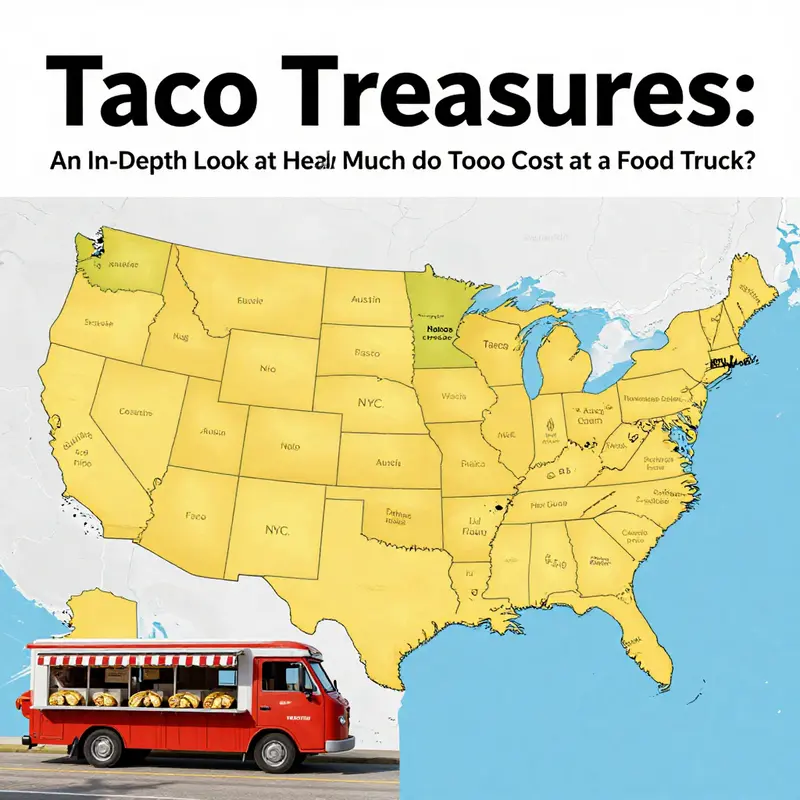
Pricing a taco from a food truck is less a single number and more a snapshot of place, purpose, and palate. Across the country, the bite you pay for a handheld taco often mirrors a web of local realities: the cost of living, the availability of high-quality ingredients, the density of competition, and the unspoken expectations of diners who crave speed without sacrificing flavor. In practice, these forces create a regional price map where the same dish can feel like a bargain in one neighborhood and a premium experience in another. Rather than seeking a universal price tag, it helps to read the price as a signal about the craft, the sourcing, and the context in which the taco is made. The numbers themselves, when viewed in sequence, reveal more about geography than about any fixed standard of tastiness.
In major metropolitan hubs, the price of a single taco often lands in a recognizable band. In cities like New York or Los Angeles, you will commonly find a popular, well-executed taco priced between roughly $3.50 and $6.00. This range reflects several concessions and promises at once: convenient urban locations, steady foot traffic, and the expectation that a truck can deliver consistent quality at speed while absorbing higher rents and labor costs. When trucks offer gourmet fillings, house-made tortillas, or imported ingredients, the price can creep upward, but even at the higher end, the goal is to deliver value through technique, texture, and a sense that the taco is a small, crafted meal rather than a quick snack. Savvy buyers learn to differentiate between the baseline price and the premium options by scanning the menu for cues—ingredient lists that mention specialty meats, handmade sauces, or seasonal toppings—and by noting the portion size indicated on the board.
In smaller towns and rural areas, the price ecosystem looks somewhat different. Here, a taco can dip as low as $2.00 or hover around $3.00 to $3.50, especially in regions where the cost of living is lower and where trucks compete more on volume, speed, and loyalty rather than on opulent ingredients. Yet even within these more economical ranges, there is room for variation. A shop that emphasizes value might offer plump tortillas and a straightforward filling with bold flavors, while another may lean into regional specialties or larger portions as part of a strategy to win big-ticket orders at community events. The same taco, sold in two towns separated by a half-day’s drive, can manifest a price variance that seems almost mercantile in its logic but is, in effect, a reflection of local supply chains and consumer expectations.
Regional culinary traditions play a powerful role in how pricing takes shape. In Texas, the taco scene often folds in a sense of value—large portions, robust fillings, and a tradition of beef-forward preparations. The emphasis is not simply on price but on the perceived heft of the meal—meat-centric, hearty, and designed to feel satisfying after a day of hard work. This preference for generous portions helps explain why price points in Texas can stay accessible even as the overall economy tightens. In California, the story tends toward fusion and innovation. The demand for premium ingredients, inventive fillings, and a sense of place—local produce, coastal influences, and a willingness to pay for novelty—pushes some prices higher. A California truck may lean into craft tortillas or small-batch sauces, turning price into a signal of quality and artistry. Regional taste profiles thus feed directly into what customers expect to pay and what trucks feel they can charge while maintaining a steady line of customers.
Economic conditions amplify the regional differences. Local wages, parking and permit costs, and the density of competition shape pricing strategies in tangible ways. A city with sky-high rents for street vending, security costs, and municipal fees will inevitably tilt per-taco pricing upward. Conversely, a rural county with modest overhead and less competition can maintain lower price points while still delivering a respectable margin for operators who understand their cost structure and keep menus simple. These economic pressures layer on top of traditional food costs—meat, produce, tortillas, and toppings—so that the same protein can cost more in some locales than in others, depending on how far it travels, who processes it, and how much the market is willing to pay for it.
Perceived quality remains a subtle but potent determinant of price. In the fastest-growing segments of the mobile food economy, customers increasingly equate physical efficiency with value. A truck that moves quickly, keeps lines short, and presents a clean, well-organized cart can justify higher prices through the promise of reliability and a better overall experience. The growing ubiquity of card readers and suggested tip amounts signals a shift toward a more restaurant-like service norm. This evolution, while often framed as modern convenience, also supports the idea that customers are paying for more than a tortilla and filling—they are paying for an expectation: quick service, consistent taste, and a level of hospitality that mirrors a sit-down dining encounter. When a truck offers a refined sauce, a brighter salsa, or a carefully sourced protein, the price increments feel earned rather than arbitrary. In this sense, regional pricing is not merely a wage ledger; it is a cultural barometer that reflects how communities value speed, skill, and the sensory delights of Mexican-inspired street food.
Portion size and the concept of a meal versus a snack also influence what you pay. In some parts of the country, a single taco functions as a compact bite, meant to accompany a larger meal or to satisfy a hungry traveler on a quick break. In other regions, the same sold item becomes part of a broader strategy to offer a complete, satisfying experience—sometimes as part of a two- or three-taco plate, sometimes with a side or a drink, and sometimes as a standalone full, robust option. The pricing logic, therefore, can hinge on the merchant’s goal for the customer experience: a fast, affordable lane that keeps repeat business rolling in, or a slightly slower, more curated service that elevates the moment into an occasion worth paying a premium for. In practice, this means you may see a truck charge a lower price for a basic setup and then upsell with extras such as handcrafted salsas, premium proteins, or seasonal toppings that heighten value without sacrificing speed.
Reading a taco menu across regions becomes an education in context. A quick glance may reveal a basic “carne asada” item priced competitively, with a more elaborate version featuring marinated and grill-smoked cuts priced higher. Some menus explicitly align with regional identities, offering a nod to local flavors—beer-marinated pork in one place, chipotle-lime poultry in another, or a coastal-fresh shrimp taco that leans into the day’s catch. Even the presentation can be telling: a clean, minimal board with a straightforward price invites a different expectation than a menu featuring glossy photos, curated ingredient lists, and a clearly defined tasting menu. The buyer’s takeaway is simple: the price is not a solitary number; it is a message about how the truck positions itself in its neighborhood, how it navigates costs, and how it chooses to treat its craft as a form of culinary storytelling.
This regional complexity also shapes how buyers should think about value. A low sticker price in a rural setting can still yield excellent value if the portions are generous and the flavors honest. Conversely, a higher price in a cosmopolitan center does not necessarily signal pretension; it can reflect a disciplined approach to sourcing, a commitment to fresh ingredients, and a desire to sustain a lean operation amid intense urban competition. For readers seeking a practical takeaway, the most reliable guide to what a fair price should be is not simply the number on the board but the alignment among ingredient quality, portion size, speed of service, and the warmth of the welcome. A fair price exists at the intersection of these factors, and it shifts with the geography, the season, and the local appetite for innovation.
For those who want to explore the broader ecosystem of pricing and taste in the mobile food world, there is value in looking beyond the numbers and considering the whole shopping experience. A visit to a food truck can feel like a curated micro-event: you choose your preferred filling, watch it sizzle on the grill, and then decide whether to add a topping or a side. The pricing conversation becomes part of that experience, a dialogue about what you are choosing and what you are leaving behind. It is this dynamic that makes regional variations not a nuisance to be navigated, but a narrative to be understood. When you recognize that a taco is a product of place as much as a recipe, price becomes a clue to the story behind the cart—where it came from, who built it, and how it hopes to be perceived by the people it serves.
If you want a practical snapshot to orient your next street-food trek, consider how the price bands you see in your city compare with nearby towns, and then track how those bands shift with the season, with events, or with the day of the week. Prices in food-truck deserts—the places with fewer trucks and more open streets—can rise to compensate for limited competition, while dense urban clusters can push for greater efficiency and value through volume. The calibration is ongoing, and it is driven by what customers expect and what vendors can deliver on a consistent basis. In this sense, regional taco pricing is less a fixed rule and more a living map that reflects the rhythms of daily life, the tension between speed and quality, and the shared appetite for a good tortilla wrapped around a story worth telling. If you keep that map in mind, you will begin to understand why a taco might cost a few dollars in one neighborhood and a few dollars more in another—not as a contradiction, but as a credible, grounded expression of regional reality.
For readers who want to chase current prices or compare nearby menus, it helps to consult local directories or regional guides. These resources often capture the ebb and flow of pricing as trucks move from one neighborhood to another, the calendar of farmers’ markets and street fairs, and the way forming reputations influence cost. A quick scan can reveal how much of a premium is placed on specialty ingredients, how frequently trucks rotate seasonal offerings, and whether certain operators lean into full-service setups that justify higher prices with a more elaborate customer experience. The evolving practice of accepting cards and publishing suggested tip ranges also signals an alignment with broader dining norms, reinforcing the sense that price and service quality are interconnected rather than isolated. This evolution is not merely cosmetic; it helps food trucks operate with more predictability and invites customers to participate in a more standardized, restaurant-like exchange—one that acknowledges that a good taco can merit a thoughtful price when supported by consistent, high-quality execution.
If you’re curious about how these dynamics look on the ground, you can explore a broad spectrum of perspectives through ongoing conversations in the food truck world. For readers who want to dive deeper into the culture, craft, and economics of mobile taco ventures, the Fireduptacotruck blog offers a useful compendium of stories, insights, and practical tips that illuminate how pricing choices are made in real-time across different markets. Fireduptacotruck blog. The conversations span topics from menu design and sourcing to maintenance and event planning, all of which feed back into the bottom line in telling ways. While the digital notes cannot capture every crumb of nuance that happens at a curbside window, they do illuminate the central truth: taco pricing is a dialogue between craft and market, and the dialogue unfolds differently in each town, each street corner, and each seasonal shift.
For readers seeking a broader external lens on trends in the food-truck economy, the National Restaurant Association provides a comprehensive benchmark in its Food Truck Trends report. This external resource offers data-driven perspectives on how consumer expectations are shifting, how operators adapt to regulatory changes, and how the pricing of mobile meals fits into the larger hospitality ecosystem. Such studies help explain why the numbers you see on a truck’s chalkboard are not arbitrary but are anchored in a wider set of market forces that shape what customers consider reasonable, desirable, and worth paying for in a rapidly evolving dining landscape.
Final thoughts
In the vibrant world of food truck tacos, pricing isn’t just a number—it’s a reflection of quality, creativity, and local culture. From basic offerings to gourmet delights, the cost of tacos can vary significantly based on various influencers such as ingredient quality, location, and market demand. With this knowledge, both taco enthusiasts and aspiring food truck owners can navigate the taco landscape with confidence. So the next time you spot a food truck, you’ll have a greater appreciation for the delicious taco choices waiting for you. Let’s celebrate the flavors and meanings embodied in every bite!