
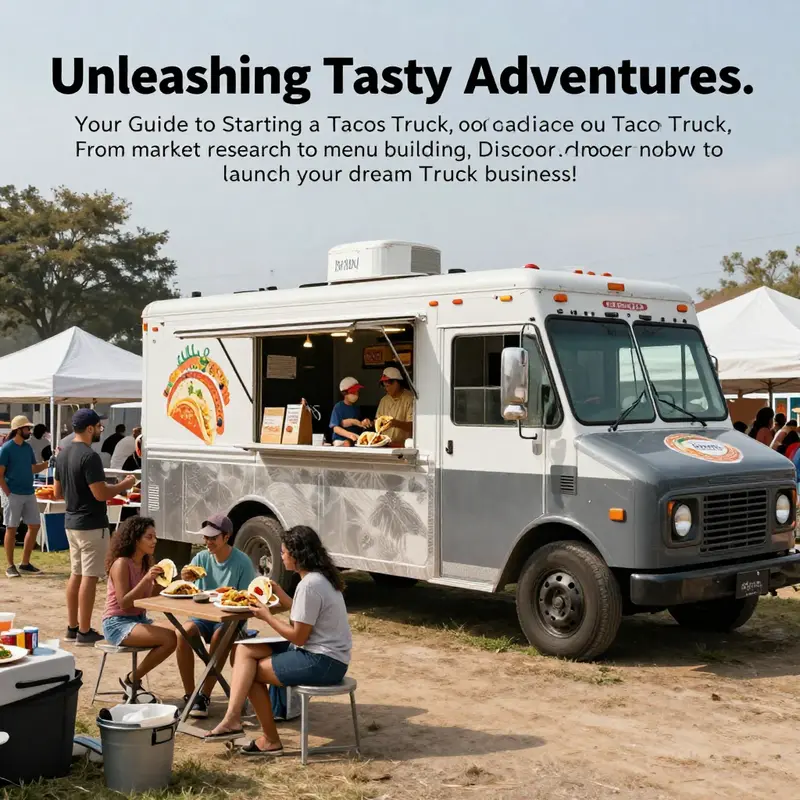
Imagine the sizzling sounds of seasoned meat cooking, the vibrant colors of fresh salsas, and the irresistible aroma that wafts through the streets. The taco truck scene is booming, and for good reason—every bite bursts with flavor, creativity, and culture. If you’re a taco enthusiast or an aspiring food entrepreneur, starting your own taco truck can be an exciting venture that allows you to share your passion for this beloved cuisine with the world. This guide will walk you through essential steps—from conducting market research to navigate legal requirements, designing your food truck, and sourcing the freshest ingredients to build a dynamic menu. Each chapter is infused with tips and insights to help you lay a strong foundation for your taco truck business, turning your culinary dreams into reality.
Market Signals on Wheels: Navigating Demand, Competition, and Menu for Your Taco Truck Venture
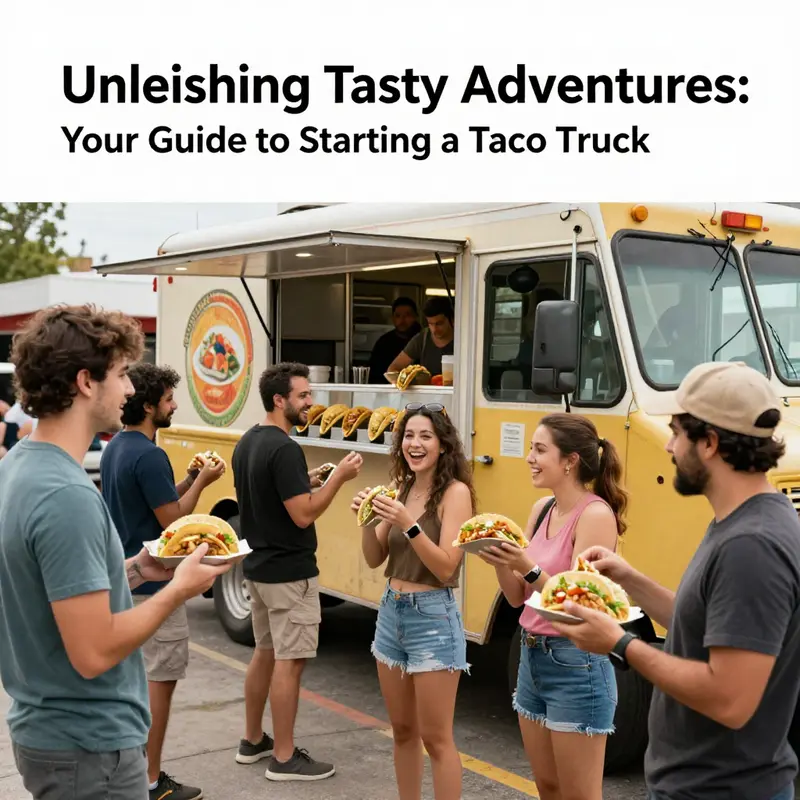
A taco truck is more than a moving kitchen; it is a live, data-driven experiment on the street. The heart of a successful mobile business beats in market research, not merely in a great recipe. Before steel hits the road, you need a clear sense of where people want to eat, what they are willing to pay, who else is serving them, and how your concept can stand out in a crowded landscape. Market research, pursued with patience and honesty, acts as a compass that guides every decision from location selection to menu design and branding. It helps you anticipate demand, identify gaps, and craft a narrative that resonates with real customers rather than assumptions. The research process, when done meticulously, can transform a simple idea into a sustainable operation that thrives in urban centers, at busy events, and along the corridor where foot traffic and bite-sized appetites converge.
Begin with the most human dimension: your target audience. Look at the places you might serve and ask whom you see there, what their routines look like, and what they crave at different moments of the day. Urban cores pulse with lunchtime crowds, but the same street can transform at dusk into a hive of after-work socializing and late-night snacking. College campuses, business districts, neighborhoods with a vibrant street-food culture, and festival routes all represent distinct micro-markets with their own rhythms. Demographic data—age, income, family size, language spoken, and cultural preferences—becomes less abstract when you pair it with on-the-ground observation. Spend a few days walking through potential neighborhoods at peak hours and off-peak times. Note where people gather, which streets see the most foot traffic, and where portable seating or small clusters of lines form near popular destinations. You’re not collecting vanity metrics; you’re mapping the cadence of appetite and the moments when a quick, flavorful break is most appealing.
A practical approach to audience insights blends observation with direct feedback. Simple conversations with passersby, quick questions, or short, incentivized surveys can reveal what menu items actually catch attention, what portion sizes feel right for a mobile lunch, and which dietary preferences matter most in your area. If you’re testing a few signature taco ideas, run them as pop-up tastings in different neighborhoods and collect feedback about flavor profile, spice level, and portion value. Focus groups, even informal ones with friends and neighbors who resemble your target customers, can illuminate how your branding lands and whether your proposed price points feel fair for the experience you promise. The goal is not to chase every opinion but to uncover consistent themes that point toward a compelling, scalable concept.
Identifying competitors is the natural complement to understanding your audience. Direct competitors are other trucks or brick-and-m mortar venues offering similar tacos. Indirect competitors include fast-casual chains or supermarkets selling ready-to-eat meals that your would-be customers might consider when time or access is constrained. The critical shift in thinking comes from moving from listing competitors to learning from them. Study their menus with an eye for what they emphasize—grilled meats, handmade salsas, regional twists, or plant-forward options. Examine pricing structures and portion sizes. Review their branding, social media presence, and customer reviews to detect patterns in what they do well and where customers feel let down. Look for gaps you can fill: perhaps a vegan-friendly option, a distinctive flavor profile not yet saturated in your neighborhood, or a service pace that makes you stand out during rush hours. This competitive intelligence should not aim to imitate but to differentiate in ways that align with your audience’s revealed preferences.
Market research also demands a clear sense of the location-specific realities that shape a mobile kitchen’s viability. The design and functionality of a catering vehicle influence how quickly you can turn a line into satisfied customers. A vehicle with a well-planned interior floor layout, ample refrigeration, and intuitive workflow reduces the time from order to serving. The logistics of a truck aren’t glamorous, but they are fundamental. Your research should account for how equipment placement affects cooking speed, how customers order most efficiently, and how you manage waste and cleaning in a tight space. In practice, this means thinking through where you stage ingredients, where you plate and pass orders, and how you keep hot food hot and fresh ingredients accessible without clutter. When you map these operational realities, you’re making your market research immediately actionable. A thoughtfully designed vehicle can become a differentiator in a market crowded with buzzwords but hungry for reliable service.
Beyond the numbers, the research process helps you refine your menu strategy. A compact, mobile operation benefits from a focused menu that emphasizes quality over quantity. Often, a kitchen that can consistently deliver 6–10 signature items creates a stronger identity than a broad, unfocused lineup. Your testing should uncover which combinations of proteins, salsas, and toppings resonate with locals and which offerings become casualties of price sensitivity or complexity. It’s not merely about taste; it’s about execution, speed, and consistency. In many cases, a lean menu tied to a few core flavors becomes your strongest asset, allowing you to master procurement, maintain quality, and streamline prep in a small, mobile space. The data you gather about which items perform best at different times or in different venues informs not only the menu but also pricing strategy and marketing emphasis.
Pricing emerges from the interplay of perceived value and the realities of your operation. Market research helps you understand what customers are willing to pay for speed, reliability, and a memorable flavor experience. It also reveals price elasticity across neighborhoods and event types. You may discover that lunch crowds respond well to a modest premium for speed and convenience in a business district, while a college campus audience may value affordability more highly and respond to bundle deals or loyalty incentives. The research should guide you toward pricing that sustains margins while keeping your offering accessible. It also invites you to think about packaging, impulse buys, and add-ons that can boost average order value without overcomplicating the workflow in a small kitchen on wheels.
The insights you gather should connect to your branding and marketing approach. A concept born from market realities—one that speaks to the tastes, values, and rhythms of your chosen location—will carry more credibility and traction. Your brand story can emphasize authenticity, community connections, and a commitment to quality ingredients sourced with integrity. Marketing channels should mirror how your audience discovers new food experiences. Social media updates that showcase real customers enjoying your food, behind-the-scenes glimpses of the cooking process, and real-time location updates can create anticipation and loyalty. In practice, this means coordinating your market research with a branding plan that speaks in a consistent voice across menus, truck design, and digital touchpoints.
As you frame your market research, remember that the process is ongoing, not a one-time checkbox. Your observations in one month may shift with seasonal events, new competitors, or changing neighborhood dynamics. The more you stay curious and responsive, the more nimble your taco truck will become. This ongoing approach helps you allocate resources effectively, anticipate demand peaks, and adjust your menu and pricing in ways that preserve your margins and sustain growth. The research is the backbone of your daily decisions, informing where you park, when you post your next location update, and how you present this unique, mobile dining experience to a broad audience.
Incorporating practical resources and a forward-looking mindset strengthens your research framework. For instance, consider the value of understanding the space and equipment requirements that enable smooth operations under real-world conditions. The interplay between kitchen layout, vehicle performance, and service speed matters more in a mobile setup than in a stationary restaurant. A vehicle that maximizes interior space and accessibility can dramatically improve service times and customer satisfaction, which in turn strengthens your market position. This is more than a technical detail; it is a direct response to what you learn from your target customers about their expectations for efficiency, flavor, and consistency. The right vehicle design, paired with a menu that aligns with local tastes and a pricing strategy that reflects the value delivered, creates a resilient foundation for your taco truck venture.
To deepen your understanding of these practical dimensions and the broader industry framework, you may explore a resource that analyzes the design and performance of mobile catering vehicles and their impact on service delivery. This external reference provides context for how equipment choices and vehicle interiors influence day-to-day operations in mobile food service. It can help you translate market insights into concrete decisions about your truck’s layout and workflow. External resource: Inside Catering Truck Prices: Detailed Standards, Properties, and Performance Analysis for Industry.
In sum, conducting thorough market research for a taco truck requires moving beyond guesswork to a disciplined, iterative exploration of who you serve, what they want, and how your operation can consistently deliver it. Your process should blend observation, direct feedback, competitive analysis, and practical considerations about vehicle design and workflow. When you ground your menu, pricing, branding, and location strategy in real-world data, you lay the groundwork for a business that is not only flavorful but also responsive, scalable, and durable against the ever-shifting currents of street-level dining. If you’re seeking a practical, tested path to get started, consider how the strategic choices you uncover during market research align with the broader steps of launching a mobile taco concept, including licensing, vehicle design, and a marketing plan that can sustain momentum over time. And as you plan, keep in mind that a thoughtfully researched concept is far more likely to attract partners, financing, and the loyal customers who will become your most valuable ambassadors. For more ideas on how to align research with the practical steps of launching, the link above offers a broader view of how equipment efficacy and vehicle design intersect with performance and growth—and it can help you translate market intelligence into a coherent, field-ready plan that keeps your taco truck moving in the right direction.
Charting the Legal Path to Your Taco Truck: Permits, Paperwork, and Compliance on the Road
Launching a taco truck is as much a legal undertaking as it is a culinary one. The savory scent of grilled al pastor or smoky carne asada can draw crowds, but without clear compliance and a thoughtful regulatory plan, a catchy name and a great menu won’t keep a truck rolling for long. This chapter explores the practical, day-to-day realities of navigating vehicle registration, permits, licenses, and the range of safety standards that mobile food operations must meet. It’s a map built from real-world requirements, designed to help you anticipate hurdles rather than react to them after the first service. The aim is not to overwhelm but to empower you to lay a solid foundation so you can focus your energy on crafting a signature taste, building relationships with local venues, and developing a loyal customer base. As you read, you’ll notice how the pieces fit together—vehicle compliance, health and safety, and administrative diligence forming the backbone of a thriving taco-truck enterprise.
First comes the vehicle itself, a mobile kitchen perched on wheels that must meet the same responsibilities as a stationary restaurant, plus the added complexity of roadworthiness. Registration with the Department of Motor Vehicles establishes your truck as a legal vehicle on public roads. This is more than a formality; it’s a declaration that your truck meets basic standards for operation, including insurance coverage and periodic inspections where required. Insurance is not optional in this jurisdictional ballet. It protects you, your employees, and the public in the event of an accident or a claim arising from a food-safety incident. The insurance policy should reflect the unique risks of a food-on-wheels business—from forklift-safe storage in the back to a grease-laden exhaust system in tight urban spaces. Without robust coverage, even the most delicious menu can be hamstrung by a single unfortunate event. Beyond insurance, make sure your vehicle passes any required inspections that verify mechanical safety and compliance with road-use rules. Regular maintenance is not just a cost of doing business; it’s a risk management discipline that protects your reputation and keeps your doors open.
With the truck legally on the road, the next layer is a fabric of permits and licenses. The basics usually include a business license, a food handler’s permit, and a health department permit. These documents exist to ensure you are operating under defined rules that protect public health and consumer rights. A business license legitimizes your enterprise in the eyes of the city or county, enabling you to pay taxes, collect fees, and engage in commerce with a clear mandate. The food handler’s permit demonstrates that you and your team understand the fundamentals of safe food handling, temperature control, cross-contamination prevention, and hygiene practices. The health department permit—often the most detailed of the trio—ensures your operation conforms to local health codes. It will dictate how you store ingredients, sanitize surfaces, manage waste, and conduct routine cleanliness checks during shift changes, service, and after-hours cleaning. Because health codes vary widely from one jurisdiction to another, treat this permit as your compass. Contact the local health department early, request the health code manual, and ask for a pre-inspection meeting to identify expectations before you stack your equipment on a truck.
Many communities also require a mobile food vendor permit specifically for taco trucks or other street-food operations. This permit acknowledges the mobile nature of your business and the challenges it poses for on-site sanitation, waste disposal, and time-bound service at events and parking lots. The permitting process can feel repetitive—filing forms, submitting plans, and scheduling inspections—but each step is a safeguard against health risks and regulatory lapses. A practical approach is to create a compliance calendar that marks license renewals, inspection dates, and continuing education requirements for your crew. Such a calendar helps you stay ahead of deadlines, ensuring you don’t miss renewals that could shutter your operation even during peak season. The more proactive your planning, the less you’ll wrestle with last-minute scrambles when a permit lapses or a new regulation emerges in your jurisdiction.
Embedded in this regulatory framework is the reality that local rules drive most of the operational details. The requirements you’ll face in a large metropolitan area may differ dramatically from those in a smaller town or a coastal community with a seafood-forward menu. For example, a city with aggressive plastic-waste restrictions might demand specialized waste disposal protocols and equipment capable of segregating grease from other refuse. A town that experiences frequent power interruptions may require backup electrical systems, such as generators or off-grid battery solutions, to keep critical equipment like refrigeration and food safes running during service. The permitting landscape also interacts with fire safety codes. Many mobile units must have proper fire suppression equipment, clearly marked exits, and appropriate extinguishers rated for the types of cooking you’ll perform. Fire safety is not merely about compliance; it’s about protecting your staff and guests while you operate in tight spaces, at pop-up events, or in front of a food-hungry crowd.
Delving into equipment considerations, the interplay between practical kitchen design and regulatory compliance becomes evident. Specialized gear—such as a rotating spit for al pastor—requires careful attention to power sources and exhaust systems. A rotating spit, for instance, demands a steady energy supply and robust clearance to manage heat, grease, and smoke. Maintenance routines for such equipment are more intricate than standard grills and fryers. Regular cleaning schedules and documented sanitation practices are necessary to prevent flavor crossovers and grease buildup. Cleanliness is not just about taste; it’s a compliance matter tied to health inspections. As you plan, you’ll need to map out how you’ll power the equipment, how you’ll securely store ingredients, and how you’ll manage waste streams so they don’t interfere with neighbors or violate environmental rules. The goal is to integrate equipment design with compliance from day one, avoiding the temptation to retrofit or improvise after you’ve already signed your first contract.
An essential but often underestimated part of legal readiness is documentation and record-keeping. Permit applications require submission of floor plans, equipment lists, and proof of health and fire safety measures. After the initial approvals, you should maintain a living file of all licenses, certificates, inspection reports, and renewal reminders. This ongoing documentation protects you when you’re negotiating with venues, applying for event slots, or responding to any complaint or audit. A well-kept log demonstrates professionalism and reduces friction with event organizers who expect vendors to be reliable and compliant. It also simplifies your own operations by providing quick access to critical information during busy service periods. The discipline of record-keeping extends to personnel as well. Training records that show which employees have completed food safety training, allergen awareness, and equipment handling courses can be invaluable during health checks or staff turnover. When regulators ask for evidence, you want to respond with organized, accessible records rather than scrambling through scattered folders.
The path through permits and licenses also involves ongoing engagement with the communities and authorities you serve. Establishing a relationship with the local health department, fire marshal, and city licensing office can transform a potentially tedious process into a collaborative partnership. A practical way to do this is to seek a pre-licensing consultation or a courtesy inspection, which many jurisdictions offer to help businesses align with expectations before a formal review. In conversations with regulators, be transparent about your business model, your planned service areas, and your food safety practices. It’s not just about meeting minimum standards; it’s about building trust that your operation respects the surrounding neighborhood, protects guests, and contributes to a safe culinary experience. This kind of proactive communication can yield more favorable timelines, fewer unexpected hurdles, and a smoother path to opening.
As you prepare your legal toolkit, consider an internal resource that distills the core steps into a practical, accessible format. A concise guide is available that outlines the typical permits and registrations required when launching a food truck. This resource offers a high-level roadmap and can help you avoid duplicative filings or missed requirements as you navigate different jurisdictions. For a direct, practical overview of the legal steps, you can consult Legal steps for launching a food truck. Treat it as a starting point that informs your local research rather than a final authority, because the exact paperwork you’ll file and the approvals you’ll secure will depend on where you plan to operate. In addition, it’s wise to check if your city or county offers free or low-cost business advisory services. The U.S. Small Business Administration and local development centers are valuable partners that can help you interpret the rules, prepare applications, and connect you with inspectors who understand the unique demands of mobile food service.
Compliance is not a one-and-done phase but a continuous discipline. Laws evolve, renewals come due, and event organizers tighten their own safety standards. The more you embed compliance into everyday practice—from your kitchen layout to your daily cleaning schedule—the less you’ll be surprised by audits, permit renewals, or unexpected changes in code. Build regular reviews into your routine. Schedule time at least quarterly to verify that licenses are up to date, that insurance policies reflect any expansions or changes in menu or service area, and that equipment maintenance records are complete and current. When regulatory changes occur, you’ll already have a framework for assessing impact and implementing adjustments without disrupting service. The ultimate payoff is not just avoiding penalties; it’s delivering a reliable guest experience where safety and flavor go hand in hand.
In closing, the legal journey to a successful taco truck is a blend of meticulous preparation and adaptive execution. You begin with the basics of vehicle compliance and local licensing, you layer in health and safety standards, and you maintain a culture of documentation and proactive communication with regulators, venues, and the communities you serve. Your truck becomes more than a mobile kitchen; it becomes a regulated, trusted participant in the local food economy. By embracing these requirements as an integral part of your business model, you position your taco truck to ride smoothly through city streets, neighborhood blocks, and festival circuits alike. Think of the paperwork not as a barrier but as a robust framework that supports your culinary ambitions, protects your team, and ensures every bite is a safe, satisfying experience for your customers. External considerations will always exist—budgets, staffing, and brand development—but the legal path you chart today will illuminate the route forward, keeping you compliant, resilient, and ready to serve.
External resource: For comprehensive guidance on starting a food truck business, you can consult the SBA’s detailed guide at https://www.sba.gov/business-guide/starting-a-business/how-to-start-a-food-truck-business. This resource provides broad, practical guidance to supplement the jurisdiction-specific steps outlined here.
From Layout to Loyalty: Designing a Taco Truck That Runs Smoothly, Sells, and Delights
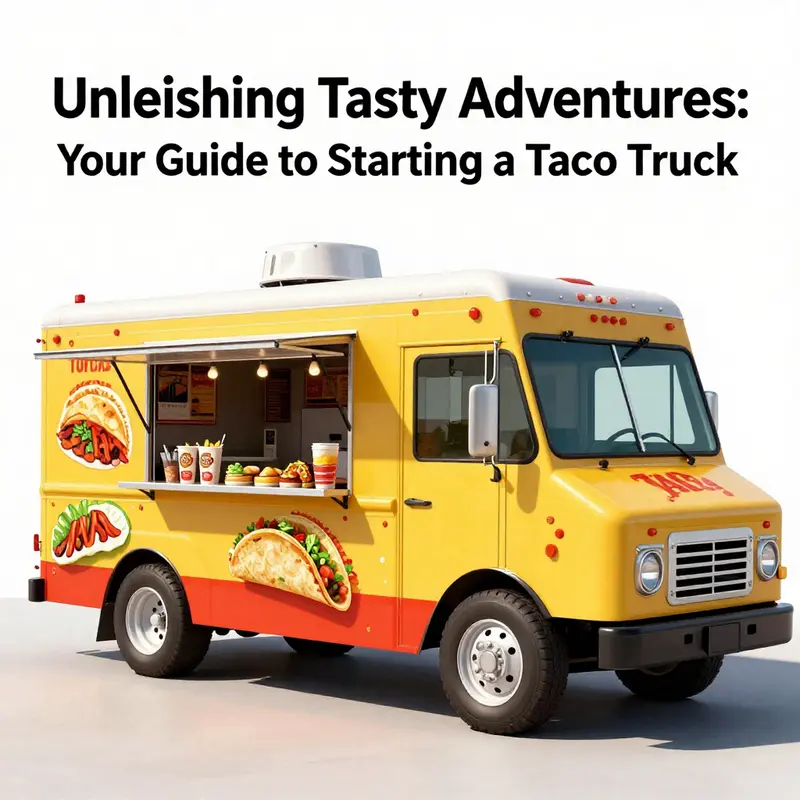
A taco truck is more than a mobile kitchen; it is a complete system that blends practical design with a strong brand story and a welcoming customer experience. When you design a truck with intention, the layout, finishes, and service flow work together to reduce bottlenecks, improve safety, and invite repeat business. The goal is to craft a rolling venue where every inch of space supports both efficient operation and a memorable impression. This is not about decorating a truck to look good for a quick photo; it is about engineering a mobile business that can perform consistently in different neighborhoods, at different events, and under changing weather, all while reinforcing the identity of your menu and your values as a culinary entrepreneur.
The backbone of any taco truck design is the practical layout. Space is always at a premium, so the kitchen must follow a thoughtful workflow that minimizes movement and maximizes speed. A classic guiding principle is the work triangle, which connects prep, cooking, and serving areas in a seamless loop. In a compact mobile kitchen, you can’t afford to waste steps or cross paths during peak hours. The value of a well-planned layout becomes especially clear when you observe how the most efficient carts keep the cook, the fryer or grill, and the cash register within easy reach of a single operator or a small team. The key is to create defined zones without walls that trap heat or create clutter; instead, use compact, purpose-built modules that let you swap tasks as demand shifts from breakfast to lunch to late-night service.
A powerful example of this philosophy in action is the Yucan Multi-Functional Snack Cart. This single-unit chassis packs a 4.2 square meter work area with dedicated zones for cooking, prepping, cash handling, and storage. It demonstrates how a compact footprint can still deliver a surprisingly expansive capability when every component has a clear place and a purpose. The lesson for a taco operator is not a literal copy, but a mindset: design around processes first, then around aesthetics. If you can show that your cart supports a smooth, one-operator-to-two-operators rhythm during a busy lunch rush, you have already achieved a foundational advantage. The modularity that the Yucan concept embodies is equally important for flexibility. Modular components allow you to reconfigure quickly when market demands shift. A simple accessory swap can morph a breakfast cart into a taco-focused setup or even a beverage-forward station without a full rebuild. That kind of adaptability is a quiet superpower for a mobile business, letting you respond to seasonal changes, festival lineups, or neighborhood preferences with agility rather than costly downtime.
The second pillar of a successful taco truck design is branding—how the truck looks, sounds, and feels to the customer as soon as they glimpse it. A truck is a rolling advertisement, and first impressions matter as much as the food. Bold colors, distinctive graphics, and a concise logo that echoes your menu create instant recognition in crowded markets. The visual identity should permeate every touchpoint: signage, the uniforms of staff, the packaging, even the way menus are presented at the service window. Platforms like Pinterest abound with creative taco truck concepts, from retro hues to modern minimalism, and they remind us that the truck’s exterior is a narrative device as much as a canvas. The design should be cohesive enough that a customer can associate your appearance with your flavors within seconds. In practice, that means choosing a color palette that mirrors the flavors you offer, a logo that scales well on a small service window and on large banners, and a brand voice that comes through in digital posts, not just on the side of the truck. If you plan to grow beyond a single vehicle, this branding approach will translate into a recognizable fleet identity that reinforces trust and curiosity wherever you park.
Branding also extends into the way you present the customer experience at the window. The service window should be large enough to accommodate order placement and payment with ease, and it should feel inviting rather than functional. A touchstone example from the field is a generously sized side window, paired with a clear divider that supports hygiene while allowing customers to watch the action inside the kitchen. Beyond visual appeal, practical design choices contribute to safety and efficiency. A canopy over the window area can provide shade and rain protection for both customers and staff, improving comfort during long shifts. Inside the truck, lighting should be ample and evenly distributed to showcase the food as it is prepared, making the plates look more appetizing and helping staff perform tasks without strain. A clean and organized interior is not only a matter of aesthetics; it is a safety and quality issue. All surfaces should be easy to sanitize, and every area should have a defined function so employees are not reaching across hot equipment during busy periods.
A crucial but often overlooked aspect of design is compliance and safety. The truck must meet local health and safety regulations, which typically include proper ventilation, plumbing, waste management, and fire safety equipment. Ventilation is not cosmetic; it keeps the cooking area safe and helps maintain air quality for customers and staff. A roof exhaust fan, as used in many sales carts, is a common, practical solution that supports air movement without requiring invasive structural changes. Plumbing must include a functional sink with a drain and adequate hot water, which are essential for handwashing and utensil cleaning. Fire extinguishers and first-aid kits should be readily accessible, and staff should be trained in basic safety procedures. The physical design, including the placement of these systems, should minimize risk while allowing quick action if an incident occurs. The Yucan cart example also highlights how practical features like four-wheel stability, front and rear brakes, LED lighting, and reflective strips contribute to safety, particularly in busy urban environments or dimly lit events. Such details may seem minor, but they can significantly reduce slips, collisions, or gear damage during operation and transport.
Understanding the financial and regulatory landscape further informs design choices. Licensing and permits are not mere formalities; they shape the cost and feasibility of an opening plan. The U.S. Chamber of Commerce notes that licensing requirements can accumulate costs that impact ongoing operating expenses. While the exact figures vary by city, state, and the complexity of your operation, budgeting for permits and compliance is essential to avoid surprises. This is especially true for mobile vendors, where some jurisdictions impose additional mobile food vendor permits and periodic inspections. A thoughtful design that anticipates these costs can help you maintain consistent operations in the face of regulatory demands. In the planning stage, it pays to review official guidance and case studies from reputable sources and to connect with local mentors or advisors who understand the idiosyncrasies of your market. This proactive step helps you align your design choices with practical realities rather than chasing aesthetics alone.
The practical implications of design reach beyond the kitchen and the service window. They ripple into labor, inventory, and even menu strategy. A well-structured layout supports a lean staff model by reducing the need for extra hands to move pans, transfer items, or fetch supplies. It also supports a principled inventory approach; by organizing ingredients and equipment around a consistent routine, you can limit spoilage and waste. In turn, a menu that remains within the realities of your setup—often a tight range of 6 to 10 signature items—benefits from predictable prep times and standardized components. This balance between a compact, efficient kitchen and a distinctive, scalable brand makes it possible to deliver steady quality while maintaining flexibility to adapt to new neighborhoods, events, and customer preferences. The goal is not to chase a perfect blueprint but to cultivate a resilient system that can endure the variables every taco entrepreneur encounters—weather, traffic, festival schedules, and the inevitable curveballs of a mobile business.
As you translate these design principles into real-world decisions, consider how a prospective truck fits with your broader business plan. The choice between building from a module and buying a prebuilt unit hinges on your needs for speed, cost, and customization. A prebuilt chassis offers speed to market and tested compliance, while a modular approach can deliver tailored layouts that align tightly with your menu and service style. If you want a concrete starting point for evaluating options, you can explore a resource like Choosing the right food truck, which guides readers through critical considerations and trade-offs when selecting equipment and configurations that suit their goals. Heeding such guidance can keep you from over-investing in features you won’t need on day one while still leaving room to grow as demand shifts.
Beyond the physical shell, there is the matter of how your truck communicates value through both design and behavior. Customers who encounter a well-branded truck with a clean, efficient window experience a sense of professionalism and confidence. When the kitchen appears organized, the staff moves with calm efficiency, and the menus are legible and enticing, diners are more likely to place larger orders, try new items, and become repeat visitors. A cohesive design language creates an emotional connection and lays the groundwork for brand loyalty. The physical space and the customer interaction inside it are your most visible promises to guests. Deliver on those promises consistently, and you begin to cultivate a loyal following that will seek you out at markets, street corners, and events, turning a simple meal into a recurring experience.
Design, in this context, becomes the fusion of craft and craft. It is not only about how you cook or what you put on a plate; it is about how you transport that experience to public spaces, how you protect it from the pressures of the outdoors, and how you tell your story with color, sound, and motion. Your truck should be a stage for your cuisine and a practical tool for your team. The better the stage, the more confident your staff will be, and the more likely customers will be to linger, order with gusto, and return. This is how a taco truck transitions from a collection of parts to a reliable engine of culture, commerce, and community.
For readers who want to investigate further, the practical steps of selecting, outfitting, and optimizing a taco truck are well documented in industry-focused guides. When you are ready to take the next step, consider exploring additional resources that address both the technical and the business sides of the operation. A well-chosen external resource can provide deeper guidance on general startup strategies, regulatory considerations, and cost management as you structure your launch plan. And as you refine your design, remember that your branding and customer experience should evolve in tandem with your kitchen capabilities.
Internal link for further reading: Choosing the right food truck.
External resource for broader guidance: For a comprehensive overview of starting and running a small business, including licensing, permits, and funding considerations, see the U.S. Small Business Administration at https://www.sba.gov.
From Field to Flame: The Craft of Sourcing and a Lean, Profitable Taco Truck Menu
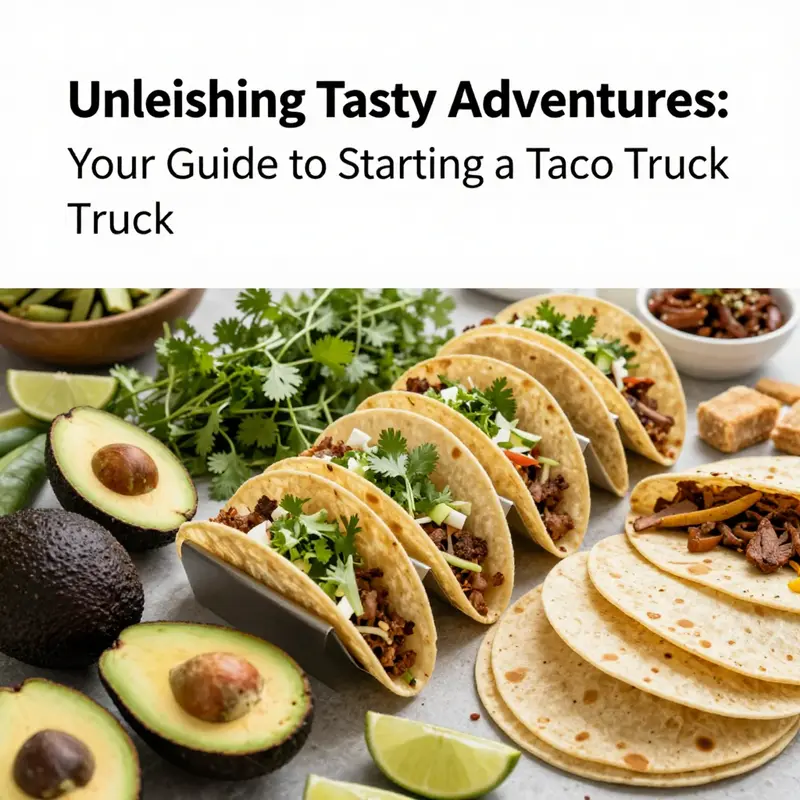
Creating a successful taco truck hinges on disciplined ingredient sourcing and a lean, market-ready menu. The two pillars reinforce one another: the quality and consistency of ingredients shape what you can offer, while a focused menu determines how you source, store, and transform those ingredients into fast, high-margin service. When you align these elements, you build a brand that can scale from a curbside operation to festivals. The goal is a cohesive six-item lineup that travels well, cooks evenly, and tastes memorable every time. Think of a core set that includes a grilled beef taco, pork carnitas, al pastor with pineapple glaze, a fish taco, a staple chicken option, and a vegetarian choice that showcases your flavors. Each item should share core ingredients to simplify purchasing and prep while delivering distinct experiences.
Ingredient sourcing deserves equal focus. Work with local, reliable suppliers who can provide steady trim, cuts, produce, and house-made marinades with clear documentation. Prioritize meats that marinate or slow-cook well and produce that stays fresh through service. Build relationships with butchers and distributors who understand the pace of a mobile operation and the importance of consistent delivery times.
Tortillas matter as the vehicle for flavor. Seek masa that yields a consistent bite and texture, and source tortillas that hold up under heat without cracking. Prefer a small number of trusted tortilla partners to ensure reliability and uniform performance across shifts.
Inventory and prep are the engines of efficiency. Forecast daily needs using history, weather, and local event schedules. Design prep zones and standardize tools to minimize cross-contamination and speed up service. A lean menu with shared components reduces waste and simplifies stocking, portioning, and cooking times.
Revenue can grow without overextending the supply chain by offering add-ons like bottled sauces or spice blends tied to your core flavors. Ensure packaging and labeling are clear for at-home use and online orders. These extras can improve margins and create opportunities for wholesale or gift packs without destabilizing core operations.
Finally, tell your story through branding and presentation. A clean menu, consistent visuals on packaging and signage, and staff who convey your values help upsell and build loyalty. The six-item approach keeps you focused, predictable, and scalable, even as you move between street corners and events.
External resources can supplement hands-on learning. Consider industry blogs and supplier guides to stay current on sourcing practices, food safety, and mobile operations.
Final thoughts
Your taco truck dream is more attainable than you might think. With thorough market research to identify your audience, a clear understanding of legal requirements, a creatively designed truck that showcases your brand, and a menu that highlights the freshest ingredients, you can create a culinary journey that delights taste buds and fosters community. Embrace your passion for tacos and take the necessary steps to turn your vision into a flavorful reality. Let each taco tell a story, and watch as your business becomes a beloved fixture in the street food scene.