
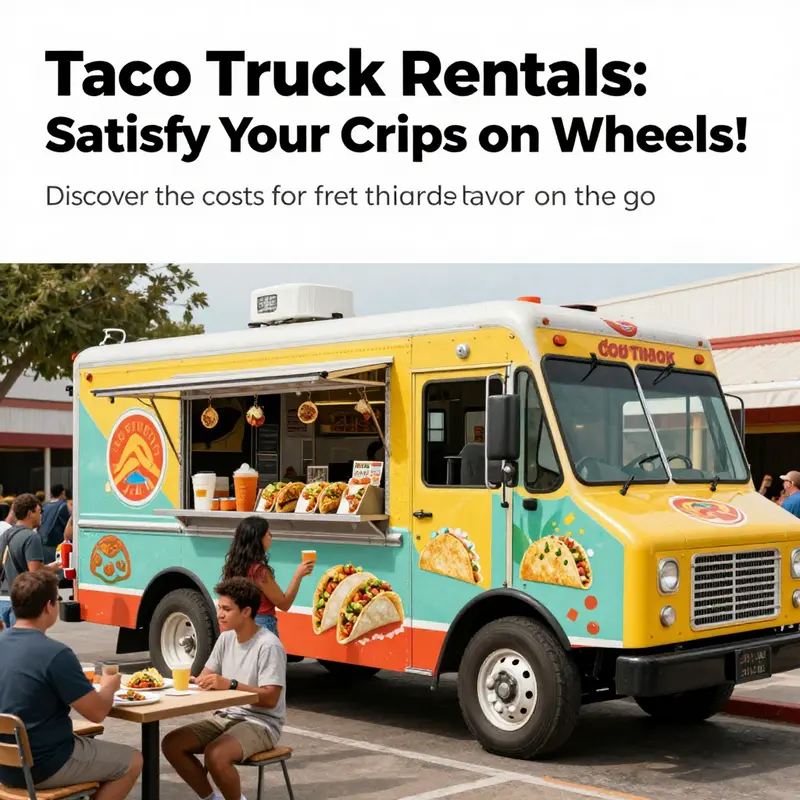
Craving tacos at your next party or event? Renting a taco truck could be the answer to your culinary dreams! Whether you’re a taco fan wanting to spice up your personal gatherings or a food entrepreneur exploring mobile catering, understanding taco truck rental costs is essential. In this flavorful journey, we’ll explore the basics of rental costs, the full-service options available, high-end trucks for those extra special occasions, and the myriad of factors that influence pricing. Let’s roll into this delicious topic and discover how to make your taco truck dreams a reality!
The Real Price Tag on Your Taco Dreams: A Deep Dive into Taco Truck Rental Costs
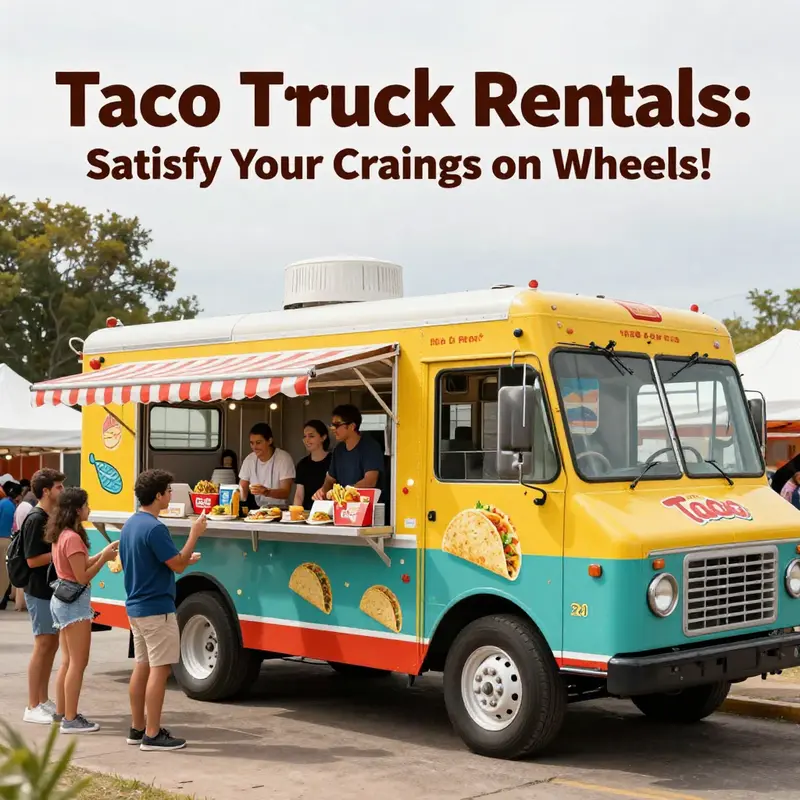
If you’ve ever pictured a line of hungry guests flocking to a sizzling taco truck at sunset, you’ve likely asked the same practical question that fuels countless event budgets: how much does it cost to rent a taco truck? The answer is not a single number on a sign, but a spectrum shaped by the truck’s size and condition, the services bundled with the vehicle, the location, and the duration of your need. What begins as a simple question—how much is it to rent a taco truck?—quickly unfolds into a careful accounting of options, trade-offs, and the realities of a market that rewards flexibility as much as it does appetite. In this chapter, we move beyond headline daily rates and toward a richer understanding of the total cost of ownership or access for a taco truck, with an eye toward budgeting, planning, and making a choice that aligns with your goals, not just your cravings.
To start, imagine two baseline scenarios and the way they frame the rest of the conversation. The most basic setup is a standard, used taco truck rented for a day in a major U.S. city. In this “truck-only” arrangement, the sticker price is typically labeled as a daily rate, and the numbers commonly fall in a broad band—from roughly two hundred to five hundred dollars per day. That range reflects a vehicle that’s operational and roadworthy, ready to be driven to your event, but not necessarily equipped with a full kitchen crew, a health permit, or a complete inventory of supplies. It’s the lean option that gives you the vehicle with the least frill. If your plan is to supply your own staff, your own food, and your own branding materials, this is the configuration to consider first. It’s also the configuration that most closely resembles renting a standard vehicle: you are paying for access to the machine and its essential systems, but you’ll handle the labor, menu, and logistics on your own.
But almost any successful taco operation is bigger than the truck alone. If you want a turnkey experience—where a professional chef operates the grill, a driver handles navigation and park-and-serve logistics, and some packages even include health permits, equipment, and basic staffing—your daily cost climbs. In a full-service rental, the price is less about the vehicle and more about the service ecosystem that surrounds it. Those packages typically start around eight hundred dollars per day and can rise quickly, particularly if you’re booking for peak season, a large festival, or a high-demand market. In practice, the increment from truck-only to full-service can be the difference between a casual test run and a scalable, event-ready operation that can serve hundreds of guests in a single afternoon. The higher end of the spectrum includes premium staffing, premium branding, and sometimes custom equipment—elements that can push daily costs well into the thousand-dollar zone and beyond.
Beyond the basic and the full-service tiers lies a tier that might feel aspirational, but is very real in certain markets: specialized or high-end taco trucks. These aren’t merely trucks; they’re moving kitchens branded for a high-end experience, often with advanced convection ovens, specialized cooking surfaces, enhanced ventilation and fire suppression, and a polished truck exterior that doubles as a mobile storefront. In tourist-heavy locales, or during major events, rental fees for these premium units can surpass one thousand dollars per day. The premium fuels not just the equipment but the perceived value the truck brings to a marquee event, helping to justify higher price points for the vendor and a stronger guest experience for the host. In short, the market recognizes the difference between a basic, reliable vehicle and a carefully engineered, brand-driven culinary stage on wheels.
The research materials you provided emphasize an important caution: many cost comparisons circulating online are not Taco Truck price quotes at all. A portion of the data set discusses rental costs for pickup trucks in unrelated contexts, such as Twin Falls or Palmdale, where daily rates for a Toyota Tacoma hover in the sixty-four to sixty-seven dollar range. While informative for understanding how commercial vehicle markets price mobility, these figures do not translate directly to taco truck rentals. The gap between pickup-truck pricing and a fully equipped, food-service mobile kitchen is meaningful. A taco truck is not merely a vehicle; it’s a sealed, compliant kitchen on wheels with safety, sanitation, and menu capabilities that far exceed a basic pickup. Still, the juxtaposition is instructive. If you are tempted to treat taco truck rental as a straight translation of general vehicle rental, you risk underestimating the staffing, equipment, and permit responsibilities that come with selling food from a mobile platform.
So how should a prospective renter think about pricing in a practical sense? Start with the most obvious variables: size, condition, and amenities. A standard used taco truck that’s already set up for cooking, chilling, and serving will command a higher baseline than a bare, non-operational shell. In many markets, a functional truck includes or implies a kitchen that’s ready to go, with essential appliances and a layout designed to streamline food prep and service flow. If a vendor includes a chef, a driver, or both, that inclusion represents a tangible increase in staffing costs, but it also reduces the logistical friction you would otherwise incur. A chef brings not only cooking prowess but reliability in menu execution; a driver controls timing, parking, and safety, which becomes crucial at events with tight schedules or limited ingress/egress points.
Another essential factor is location. The market you’re in can dramatically tilt the pricing equation. In tourist corridors and major urban centers—think busy downtown districts, convention centers, or waterfront events—rental providers can command higher daily rates, reflecting both demand and the premium attached to brand visibility in those spaces. The same truck in a smaller city, a suburban market, or a non-peak season may see significantly lower daily numbers. For planners, this isn’t just a matter of geography; it’s a signal to time your bookings strategically. If you’re open to weekday venues rather than weekend peaks, or if you can align your event with a local festival slot that allows shared staffing or permits, you may access lower rates or more favorable terms.
Duration matters, too. Most taco truck rental conversations default to daily rates, but longer commitments often yield better per-day pricing. A week or a month-long arrangement with a single vendor can unlock bulk discounts, give you predictable budgeting, and reduce the administrative burden of repeated quote chasing. Longer rentals also let you test a concept more thoroughly: you can run service during multiple events, calibrate your menu to guest feedback, and refine your staffing model without racking up a mosaic of one-off costs. In sum, a longer rental can be a strategic investment that pays returns through consistent performance, not just reduced per-day charges.
As you navigate these layers, the decision between a truck-only rental and a more comprehensive package becomes a question of risk, scale, and the clarity you want for your event plan. If your objective is to pilot a mobile catering concept with minimal overhead, starting with a truck-only arrangement gives you low fixed costs and high flexibility. If your goal is to launch a polished, brand-forward operation with predictable execution, a full-service rental may offer the most peace of mind, even if it means paying a premium to ensure a smooth, turnkey experience. The choice is not simply about the price tag; it’s about the predictability of service, the reliability of the setup, and the alignment of the vendor’s capabilities with your event’s expectations.
Within this decision framework, you’ll inevitably confront practical considerations that shape total cost beyond the label on the invoice. Permits and health compliance can carry their own fees, and in some jurisdictions the permit process can oscillate with seasonality. Insurance, too, enters the equation. When a vendor provides a truck with staff, they are carrying liability coverage that protects both the operation and the client in the event of incidents. If you’re renting truck-only and bringing your own crew, you’ll want to confirm who holds the insurance and what certificates are necessary to operate in your venue. These details, though sometimes overlooked in the rush to secure a date, substantially affect the bottom line and the risk posture of your event.
Another often-overlooked cost is fuel, maintenance, and on-site logistics. A truck that’s ready to run with a full kitchen still consumes fuel, and if the rental includes a long drive to a remote venue, your expected fuel costs may add up. Maintenance is implicitly folded into the rental price, but if you’re dealing with a vintage or specialty unit, you should consider scheduled service needs or potential on-site downtime. If a venue requires you to bring water, power solutions, or backup refrigeration, those requirements can creep into the budget in ways that are easy to underestimate in the initial quote. The practical reality is that a taco truck is a mobile kitchen and service platform; its operational footprint is larger than a typical food stand, which means more moving parts to coordinate and insure.
With these realities in mind, the process of obtaining accurate pricing becomes as important as the numbers themselves. The most reliable path is to engage directly with mobile catering vendors or specialized rental services who can tailor quotes to your precise event profile. You’ll want to provide clear input on the date, location, anticipated guest count, menu style, whether you want a chef or driver, whether you need permits and health compliance support, and how long you expect to use the truck. This level of detail helps avoid sticker-shock and enables apples-to-apples comparisons across vendors. When you receive quotes, look for the breakdown: truck base rate, staffing, permits, equipment, insurance, and any ancillary fees such as delivery, setup, or teardown. A comprehensive quote will also spell out what is included in the package, and what you must supply on your own.
To weave the practical guidance into a cohesive plan, consider the following mental model as you compare options. The base daily rate is the anchor. In the cleanest, simplest scenario—truck only, standard used vehicle, no added personnel—the anchor is around two hundred to five hundred dollars per day, depending on market and vehicle condition. Add a chef and a driver, and anticipate an increase to roughly eight hundred dollars per day, with the potential to rise further for peak periods or high-demand markets. If you demand a premium culinary experience, a branded unit with advanced kitchen equipment and refined aesthetics, you may exceed the thousand-dollar daily mark. It’s essential to remember that each tier contains a different level of risk, responsibility, and potential return on investment. A lower-cost, truck-only option offers flexibility but shifts labor, food sourcing, licensing, and service quality onto your shoulders. A higher-cost, full-service option transfers more of that responsibility to the vendor, but requires tighter coordination, stronger event management, and a budget capable of absorbing a larger daily commitment.
Within this continuum, the decision to rent or partner with a vendor is a strategic one. If your event calendar features a series of tastings, pop-ups, or summer festivals, a monthly or quarterly rental plan with a single partner can yield stability and efficiency, creating a recognizable, repeatable guest experience. If, however, you’re testing a concept for a single event—perhaps a wedding, a corporate gathering, or a neighborhood fair—the truck-only option might be the most prudent starting point. Either way, you should evaluate the total cost of ownership for your concept, not just the daily price tag. This means tallying the menu costs you’ll incur to produce consistent, high-quality food for the target guest count, the staff time required to operate the truck safely, the permits and licenses, insurance, and the contingency fund for weather, delays, or supply gaps. When you weigh all these factors, the economic logic behind renting a taco truck becomes clearer: the price you pay is a reflection of the service level, reliability, and scalability you’re buying into.
If you’re coming into this decision with a specific event in mind, the next practical step is to gather quotes that reflect your exact needs. Prepare a concise brief for each vendor that outlines your event type, expected guest count, time window, and preferred service level. Ask for itemized quotes that separate the truck base price, staffing, permits, equipment, insurance, and any logistical fees. Don’t hesitate to ask vendors about peak-season surcharges or weekend premiums; those are legitimate levers that can quickly tilt a price upward. It’s equally important to inquire about inclusions: pre-event tastings for the menu, on-site supervision by a certified food handler, ice and water provisions, napkins, utensils, and trash management. The more you’re able to pin down in advance, the more reliable and comparable each quote will be. And as you negotiate, keep an eye on the long arc of your plan: a small premium for a highly dependable, scalable operation may yield better customer experiences and stronger revenue alignment than a bargain that leaves you juggling last-minute staffing or equipment failures.
For readers who want to anchor the discussion in broader context while they plan, I recommend exploring a trusted resource that sheds light on the broader landscape of small-business budgeting and strategic planning. It can help you frame the cost of renting a taco truck within the larger canvas of your venture’s economics. In practical terms, think of the rental decision as one element of a broader financial plan—one that includes startup costs, ongoing operating expenses, revenue projections, and a clear path to profitability. If you’d like a broader perspective on budgeting and startup costs for small businesses, you can consult this external resource: https://www.sba.gov.
Meanwhile, to connect this chapter to the broader conversation about food-truck operations and their evolving role in the culinary landscape, consider our internal resource that helps readers choose the right vehicle for their ambitions. The content here emphasizes alignment between concept, equipment, and market demand, and it’s tailored for readers who want to move from price shopping to strategic selection. For a route that focuses on how to select the right vehicle for your goals, read more about choosing the right food truck here: Choosing the Right Food Truck. This link offers a structured way to think about the trade-offs between size, kitchen configuration, branding potential, and operational practicality, which complements the cost-focused perspective in this chapter.
As you close the loop on pricing, remember that numbers alone won’t determine success. The right taco truck rental aligns with your menu, your service model, your staffing capabilities, and your venue’s constraints. The more clearly you articulate these facets, the more accurately vendors can price the service, the more accurate your forecast will be, and the more you’ll be able to deliver a compelling guest experience. Renting a taco truck is, in many ways, a test run for a mobile culinary venture: it provides the platform and pace for experimentation, while demanding discipline in budgeting and vendor management. By treating the rental decision as part of a broader business strategy—one that weighs upfront costs against long-term value—you can transform a flexible budget line into a powerful engine for growth, flavor, and community.
In the end, the question remains nuanced: how much is it to rent a taco truck? The short answer is: it depends. The longer answer is a thoughtful roadmap through truck types, service levels, market realities, and timeframes. A truck-only agreement in a major city might land in the $200 to $500 per day range, while a full-service package can anchor around $800 per day and climb from there when you add staff and premium equipment. Specialized or high-end configurations can push daily costs beyond the thousand-dollar mark, especially in high-demand zones. The decisive factors are not just the number on the invoice but the degree of reliability, the operational ease, and the guest experience your event requires. With clear objectives, precise quotes, and a willingness to align execution with expectation, you can turn a taco truck rental into a seamless, crowd-pleasing centerpiece rather than a budgeting headache. The market rewards clarity, not ambiguity, and your planning process should reflect that truth as you embark on your culinary mobile journey.
The Price of Sizzle: Understanding Base and Full-Service Taco Truck Rentals
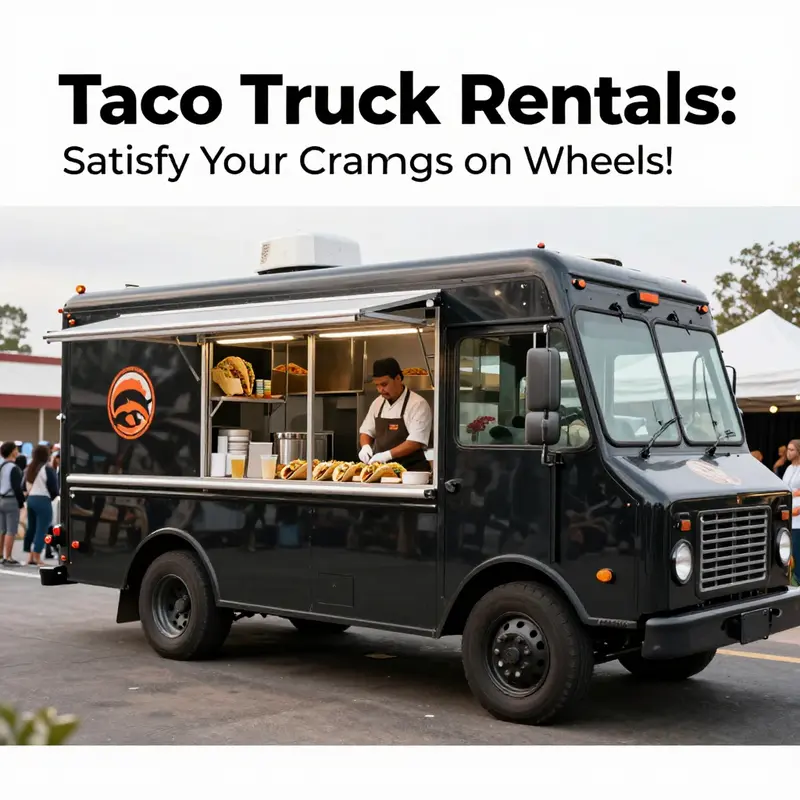
Pricing a taco truck for an event is less about a single sticker price and more about a mosaic of decisions, logistics, and expectations. If you close your eyes and imagine the truck arriving with a blazing grill, the scent of seasoned meat, and the rhythm of a crew turning out fresh tortillas, you’re also picturing a price tag that reflects more than the vehicle alone. The cost to rent a taco truck depends on where you are, how long you need it, what kind of service you expect, and the size and condition of the truck itself. In practical terms, the cost structure generally falls into two broad camps: the base rental, which covers the truck itself, and the full-service rental, which adds staff, gear, and often the permits and logistics that can make an event run smoothly from start to finish. Understanding how these pieces fit together helps you forecast a realistic budget before you start inviting guests or drafting menus.\n\nThe most common starting point for a standard, used taco truck in a major U.S. city is what vendors typically call a base rental. That base option, often labeled as “truck only,” is the most stripped-down way to access a mobile kitchen. It usually runs somewhere in the neighborhood of two hundred to five hundred dollars per day. The math behind that figure is straightforward: you’re paying for a vehicle with a kitchen setup, a power source, water supply, and the right to operate on a given day. But that price often excludes the heart of any taco operation—staff, food supplies, and the broader operational requirements that make an event legal and enjoyable. In many cases, you’ll be responsible for bringing your own cooks, servers, ingredients, and serving equipment. You’ll also need to arrange for any food safety measures, insurance, and any local permits or health department compliance that your venue or event manager requires. The result is a price that looks low at first glance, but the total cost of ownership or execution can rise quickly once you factor in all the moving parts you must supply yourself.\n\nIf you want a turnkey experience—where the truck comes with a chef, a driver, and some or all of the necessary gear—the rental tier shifts into what industry folks commonly call a full-service package. This level of service can transform a rental into an all-in culinary operation designed to minimize your logistics burden. In practice, full-service taco truck rentals often start at around eight hundred dollars per day and can climb well beyond that depending on several variables. The price escalation is driven by personnel wages, the complexity of the menu, the level of service (for instance, whether the staff will do live cooking, plating, and serving, or simply reheating and serving), and the scope of any permits, health approvals, or additional equipment that’s bundled into the package. If your event falls on a peak date—think holiday weekends, or a heavily booked city with a high demand for mobile kitchens—rates can spike further. The more sophisticated the truck, the more extensive the branding and equipment, the higher the daily rate tends to be. In some markets, particularly those that attract a heavy tourist flow or large corporate events, a premium truck with a more expansive kitchen setup, augmented branding, or a larger crew can exceed one thousand dollars per day, especially when it is paired with a highly valued service window and robust staffing.\n\nBeneath the numbers, several practical factors shape what you’ll actually pay. The size of the truck plays a direct role: a compact hybrid or older model might command a lower daily rate than a newer, larger, or custom-built vehicle with a more expansive kitchen and better ventilation. The condition of the truck matters too because a well-maintained unit reduces the risk of breakdowns during an event, which is a costly disruption in the middle of a service window. Location is a powerful determinant as well. In dense metropolitan centers, where demand outstrips supply, daily rates tend to be higher than in smaller towns or rural areas. The rental duration is another driver: a two-hour pop-up event will seldom cost the same as a full day-long service, even when the same truck is used. Some operators also price by block hours, which can complicate budgeting but might offer a practical compromise for shorter gatherings where you want guests fed efficiently without tying up a truck for an entire afternoon. The event type matters, too. Corporate conferences, weddings, or large studio shoots may warrant a higher price due to the need for more sophisticated service, stricter timing, or longer service periods. A pack of subtle but costly extras—such as a dedicated setup crew, a dedicated mobile power supply, or a branded, full-service display—can push a rental from a comfortable baseline into a premium tier.\n\nBeyond the base rental and the full-service packages, there are pockets of pricing complexity that can surprise first-time renters. Some vendors quote a base fee that covers the truck and a chef or driver, but add travel charges if the event is outside a defined radius, or impose a setup and teardown fee that can feel disproportionate to the actual service hours. Permits can be a source of both compliance and cost: depending on the locale, you may need a health permit, a temporary food service license, or a local street-closure authorization for street food operations. Each item on the permit ledger adds to the bottom line, and some venues or event planners will require that a licensed operator handle these permits on your behalf, which again adds to the cost. There are also insurance requirements to consider. A typical event may require a COI (certificate of insurance) naming the venue or host as an additional insured. If you don’t already carry that coverage, work with the rental company to secure it as part of the contract. Overtime and weekend surcharges are another expectation you should plan for. If your event runs late or is extended, the hourly or daily rate can apply in addition to the original booking. And because food trucks operate on finite spaces, there can be a premium if your event requires a longer travel distance, a more complex setup, or on-site utilities beyond what a standard configuration provides.\n\nFrom a budgeting standpoint, a two-step mental model helps. First, anchor your plan around the truck’s base cost. If you’re aiming for a simple, truck-only rental in a major city, this base often sits in the lower-to-mid hundreds per day, a kind of entry point that lets you test the concept without overcommitting. Second, overlay the cost of services you actually want and need. If you want a full-service experience, add a realistic staffing layer, including a chef and a driver, and then factor in the menu’s complexity and the equipment that will accompany the service. It’s not unusual for the total to double or more when you transition from “truck only” to “truck plus full staff.” This is where careful scope definition matters. The menu you choose, the diversity of items, and how you intend to present the service to guests all influence staffing requirements and equipment levels. A bustling street-food vibe with live cooking and a weekly changing menu demands a different cost framework than a fixed, set-menu wedding package, where the planning and execution can be standardized to keep costs predictable.\n\nIf your aim is a ballpark estimate for a specific guest count, you can use a simple rule of thumb that aligns with typical market patterns. For a modest gathering of about 50 people, base rental alone can run around five hundred dollars for a shorter window in some markets, while a full-service arrangement could start around eight hundred and stretch well into the thousands when you add staff and additional services. Food costs, meanwhile, commonly run about ten to twenty dollars per guest, depending on the menu’s complexity, whether you include specialty items or premium ingredients, and whether you’re offering beverages or extra sides. Put those elements together and a 50-person event could land somewhere around one thousand to two thousand dollars in total, accounting for modest staffing and a straightforward menu. If you expand to a larger guest list, or if you insist on a wider range of offerings, the food bill climbs, and the rental package may require a commensurate upgrade to ensure service quality remains high.\n\nIn conversations with rental vendors, ask about what is included in the quoted price and what is billed separately. Providers will often bundle basic necessities like setup and teardown, serving dishes, utensils, and basic cleaning into the base or full-service package. But there can still be additional charges for things like travel outside a defined service zone, premium peak-hour delivery windows, or extra staff for crowded events. It is worth asking whether the quote covers a dedicated staff member who oversees the service flow, or if you’ll be receiving a rotating team, which can affect consistency and guest experience. Clarify whether ice, condiments, napkins, and disposable service ware are included, and whether the truck’s water and power supply are sufficient for your menu, or if you’ll require generators and additional fuel. The worst-case budgeting scenario is discovering that essential items, once added, push your event beyond your intended ceiling. A thoughtful planning process helps prevent sticker shock and provides a clearer view of how different service levels influence the overall experience.\n\nTo navigate these decisions with confidence, think about how you want guests to feel and how hands-off you want your planning to be. If you value predictability and simplicity, a full-service option is often worth the premium because it reallocates the operational risk to the vendor. If you prefer cost control and a tighter rein on the guest experience, you may favor the base rental and assemble a do-it-yourself staffing and provisioning plan. Either path can work, but it’s essential to map out your event’s priorities first. A well-scoped request for proposal, shared with several vendors, helps you compare apples to apples and reduces the likelihood of last-minute surprises. When you’re ready to shop, you can start by exploring a vendor’s ability to align with your event timeline, your guest count, and your preferred menu profile. If you’re unsure where to begin, consider looking into resources on choosing the right food truck to guide your choices and ensure you’re matching the service level with your event’s needs. Choosing the Right Food Truck can offer a framework for thinking through vehicle size, kitchen capacity, and staffing scenarios without overcommitting to an option that won’t fit your event’s scale or budget. And for a broader sense of market context and planning considerations, external resources such as FoodTrucks.com can provide additional perspective on how the market segments, seasonality, and typical price bands play out in real-world settings. External resource: https://www.foodtrucks.com/
Beyond the Basics: Navigating the Price Spectrum of Specialized and High-End Taco Trucks
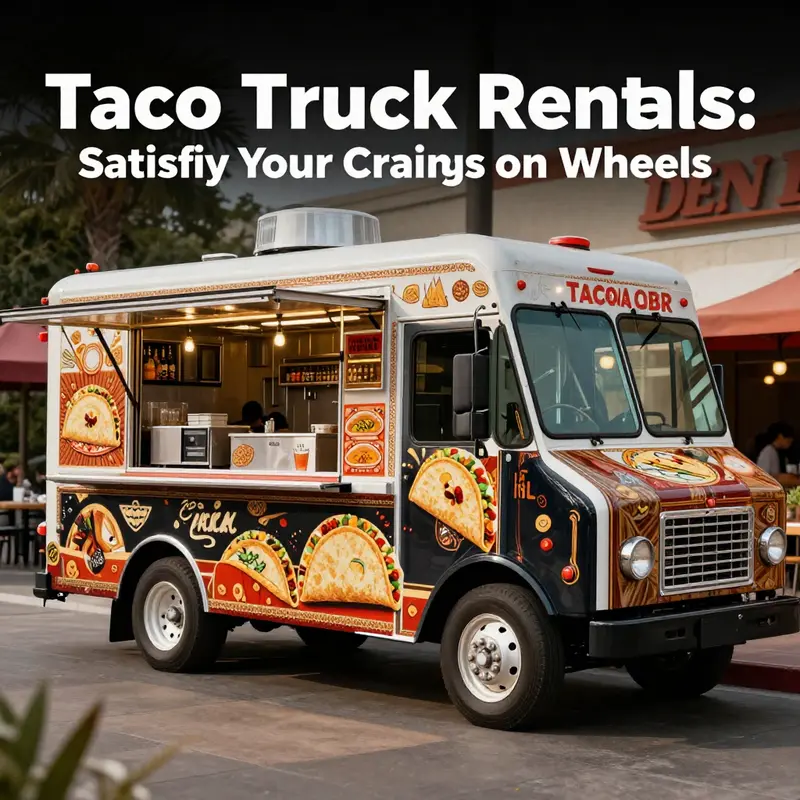
When people start planning a culinary pop-up that travels, one of the first questions is deceptively simple: how much is it to rent a taco truck? The straightforward answer is that price ranges swing widely, and the full story sits at the intersection of equipment, service level, location, and timing. The most reliable way to understand the bottom line is to imagine a ladder of options rather than a single price tag. At the base, you have a basic rental—the truck alone, typically a used or older model that can navigate city streets but comes with you supplying the ingredients, staff, and the logistics of service. In a major U.S. city, daily rates for this baseline option commonly fall between two hundred and five hundred dollars. It’s a bargain on the surface, yet the total cost of bringing a successful taco service to life includes far more than the vehicle’s daily price. You must account for staffing, food costs, permits, and insurance, all of which can dwarf the truck rental themselves if you aren’t careful. Even when you keep the truck to a simple, no-frills arrangement, the path to a smooth event remains paved with planning and forethought; the truck is a facilitator, not the entire expense ledger. The next rung up is the full-service rental, where the truck comes with at least one professional—often a chef and a driver—plus some level of equipment, sometimes including basic food prep gear, a small generator, ventilation considerations, and event-ready setup. This tier typically begins around eight hundred dollars per day, a figure that reflects not only the labor but the readiness of the operation to deliver a serviceable, compliant, and efficient experience. In practice, full-service rentals can climb quickly, especially for peak events, holidays, or large crowds. The rise in price mirrors the additional hands, the scheduling complexity, and the guarantee of a certain level of performance that customers expect for high-stakes occasions. There’s also the matter of permits and compliance. Some rental packages include assistance with the necessary licenses, health department coordination, and even point-of-sale systems or basic waste management provisions. Those inclusions can tilt the scale upward but can also simplify the event planning process by reducing the number of external variables you must coordinate on your own. Another level—specialized or high-end taco trucks—describes a class of mobile kitchens that have been tailored with premium equipment, custom branding, and often a more polished operational footprint. These trucks may boast industrial-grade grills, enhanced ventilation, advanced refrigeration, and bespoke interiors that not only improve cooking efficiency but also influence the guest experience through aesthetics and branding. In venues with high foot traffic or a culture of experiential dining, prices for specialized or custom-built trucks can exceed the thousand-dollar mark per day. The justification for that premium lies in several intertwined factors. First, the equipment itself can be more expensive to install and maintain; second, the branding and customization can be a draw for corporate events, weddings, or festivals that want a memorable visual identity; and third, the staffing and logistics are engineered to deliver consistent, magazine-worthy service, with careful attention to food safety, speed, and reliability during busy windows. In places with heavy tourist traffic or dense event calendars—think a major convention city or a beach destination—the pricing can reflect both demand and the premium that clients are willing to pay for a turnkey, high-end experience. The question you should be asking, beyond the headline price, is what you get for that price and how it aligns with your event goals. A basic truck rental might get you a vehicle, a cook-you-brrew staff, or a fixed menu, but you’ll be responsible for sourcing the food, beverages, and any ancillary equipment. A full-service arrangement tends to bundle more of those moving parts, including staffing and sometimes permits, and can streamline the process for organizers who want to minimize logistics management. A specialized or high-end rental, meanwhile, can deliver a polished, brand-forward presentation with the potential to command higher guest engagement—something that matters if the event is about image, guest experience, or a specific culinary narrative. The key is to quantify the value you expect to extract from the price. If your event hinges on a single vendor who can handle the entire culinary presentation—from setup to cleanup—without you chasing multiple contractors, the premium may be worth it. If, on the other hand, your event is smaller, with a tight budget, or you have a strong crew already in place, a basic or standard rental may suffice, provided you have a plan to manage food sourcing, staffing, and compliance on your own. In terms of location, the same basic rule applies: prices shift with geography. A used taco truck in a major metropolitan hub can be priced higher due to demand, insurance costs, and the logistics of moving a vehicle through busy streets and tight alleys. In contrast, the same truck in a smaller city or at a regional festival might command a more modest daily rate, though the premium for peak-season events can still push costs upward. The rental duration also matters. Short-term events—one-day festivals, pop-up weekends, or temporary sampling campaigns—tend to carry higher daily rates to reflect the turnkey nature and the limited utilization of the asset. Multi-day engagements, however, can unlock discounts and more favorable terms, especially if the rental includes a broader support package or you commit to a block of dates. There are additional costs that are easy to overlook but illuminate the true price of renting a taco truck. Travel fees are common, particularly if your event is outside the immediate service radius of the rental company. Delivery and pickup logistics, fuel surcharges, and on-site servicing every day can add hundreds of dollars to the menu, even for a single event. Cleaning deposits, damage waivers, and insurance requirements are standard practices that protect both parties but add to the ticket price. Then there are operational costs you shoulder as the renter: ingredients, beverages, paper goods, utensils, warming equipment, refrigeration backups, and food safety supplies. Even the most comprehensive rental package will not single-handedly solve every supply chain nuance; you must plan for these line items to avoid a mismatch between the event’s appetite for food and the rental agreement’s coverage. The practical way to approach pricing is to request a detailed quote that itemizes what is included and what is not. Ask for a clear outline of the staff roster if included, the number of service hours, the equipment inventory, and whether health permits, fire suppression equipment, and insurance certificates are provided or required. It’s also wise to request a sample service flow—how the team will operate from setup to service to teardown—and an optional sequence for a practice run if the event demands a flawless presentation. The more you understand about the operational choreography, the more accurately you can forecast costs and avoid a sticker shock at sign-off. When you begin to compare different rental offers, keep the scope of services consistent. A quote for a basic truck that requires you to supply your own staff and food should be measured against a quote for a full-service package that includes a chef, a driver, a generator, and a turnkey setup. Do not rely solely on the headline daily rate; the differences in what’s included will often be the decisive factor in your total expenditure. For those who want to optimize cost without compromising on outcome, there are several practical strategies. First, consider consolidating events under a single vendor who can manage multiple dates or venues; this can unlock volume discounts or bundled service pricing. Second, negotiate milestones for maintenance and substitution—if the truck is delayed or unavailable, what is the backup plan, and who covers costs? Third, inquire about off-peak rates or non-traditional venues that still provide the same audience reach but with less competition for trucks, which often translates into lower daily rates. And fourth, think through branding as an economic lever. A high-end vehicle with compelling aesthetic touches can serve as a marketing asset, potentially driving more guest interest and higher ticket conversions, which could tip the cost-benefit scale in your favor when you’re evaluating a premium rental. In this context, the decision to rent specialized or high-end vehicles is not merely a function of price but a strategic choice about guest experience, brand presentation, and operational reliability. The choice depends on how much control you need over every phase of the service, how much you value a consistent, polished performance, and whether your event’s objective benefits from a visually cohesive and technically robust kitchen-on-wheels. If you decide to pursue specialized options, it can be helpful to speak with operators who have experience crafting event-ready concepts. They can illuminate the workflow, the labor mix, and the logistical choreography required to elevate a street-food concept into a mobile, branded showcase. They can also reveal how equipment constraints, ventilation demands, and kitchen safety considerations shape the rental price and the overall feasibility of a given concept. For readers who want to anchor their understanding in a broader framework, the links in this chapter point to resources that explore the nuts and bolts of food-truck entrepreneurship, from choosing the right vehicle to securing permits and managing maintenance. If you’re drawn to a particular path—basic truck-only rental, full-service rental, or a specialized, high-end solution—remember that the price you see on a quote is a snapshot of a broader ecosystem. It reflects not only the asset itself but the people behind it, the compliance checks, and the operational discipline that make food-on-wheels a reliable, repeatable culinary experience. The central task is to translate the number into value: does the package reduce risk, accelerate setup, or enhance guest engagement? If the answer sits firmly in the affirmative, the premium price can be justified. If the answer is uncertain, it may be wiser to recalibrate the scope, adjust expectations, or explore alternative formats that still deliver the target flavor and ambiance without locking into a costly high-end service. The conversation often leads back to a critical realization: there is no universal price for renting a taco truck, because every event is different, every venue has its peculiarities, and every client’s goals shape what counts as “worth it.” The most effective path forward is to engage with providers who ask thoughtful questions about your event—its size, duration, audience, location, and the level of service you envision. When a seller understands your objectives, they can tailor a package that aligns with your budget while preserving the culinary and experiential ambitions you have for the event. And as you weigh options, consider this: the vehicle is a tool to deliver a story on a plate. If the story you want to tell is about speed, efficiency, and consistency across a crowd, a full-service or even specialized package might be worth the premium. If the story you crave centers on spontaneity, improvisation, and a lean operation that emphasizes the art of cooking with minimal overhead, a basic truck rental could be the better match. Either choice is a path to a successful mobile dining experience, provided you enter negotiations with a clear map of your needs, a realistic view of the total cost of ownership for the event, and a readiness to adapt the scope as the planning progresses. For readers who want a deeper dive into related topics, there is a breadth of material that can help you craft a more informed decision. As you consider whether to pursue a chosen route, you might explore broader guidance on selecting the right food truck, managing the legal steps for launching a food-truck venture, and understanding the broader landscape of top models and success strategies. For ongoing reading and related context, see the internal resource on choosing the right food truck, which provides practical pointers for aligning your concept with the vehicle and service model you select. Finally, it’s worth acknowledging the practical wisdom that often accompanies price discussions: the figure you see is not the final price if you bundle services, negotiate for multiple dates, or secure a long-term arrangement; it can be reshaped by discounts, concessions, and the particular demands of your event. In the end, the question of how much it costs to rent a taco truck becomes less about a fixed dollar amount and more about a carefully calibrated package that turns an idea into a live culinary spectacle. Whether you opt for the simplicity of a basic truck or embrace the full richness of a high-end, specialized mobile kitchen, the experience you design—supported by a clear budget, deliberate planning, and a vendor who shares your vision—will determine not only the success of the event but also the lasting impression your guests carry forward. Internal linking: Choosing the right food truck. External resource: https://www.sba.gov
The Price of Flavor on Wheels: A Deep Dive into Taco Truck Rentals and How to Budget for Your Event
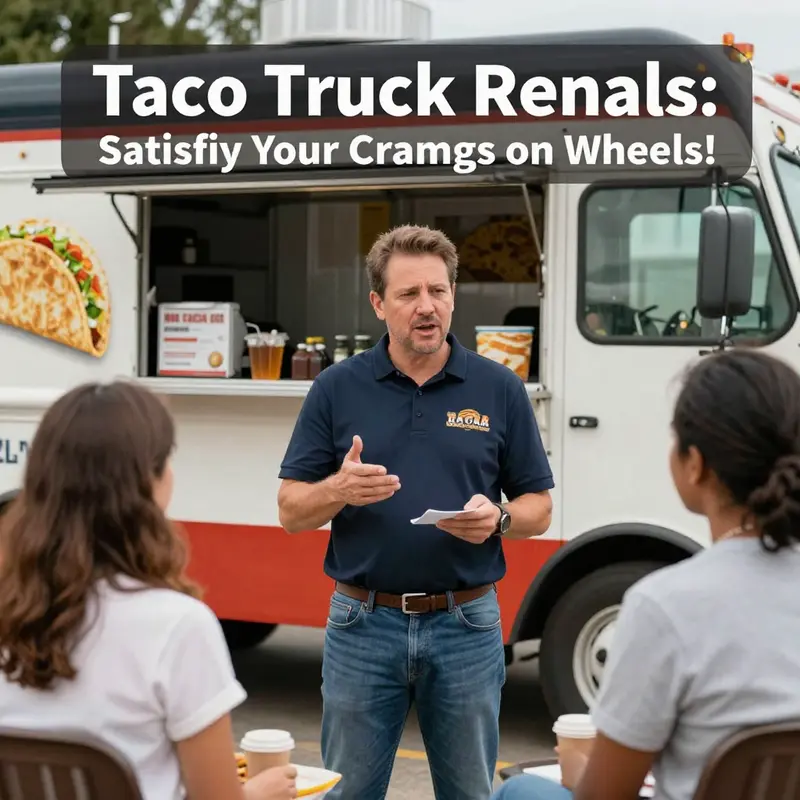
When you picture a taco truck lighting up an event with sizzling grills, bright to-go windows, and the smell of cilantro and lime in the air, you’re imagining more than a meal. You’re envisioning a mobile kitchen that can set the tone for an occasion, create a memorable guest experience, and, yes, stretch a budget in surprising ways. Renting a taco truck is not a one-size-fits-all proposition; it is a negotiation between your event needs, the truck’s capabilities, and the marketplace’s rhythms. To understand what you’ll actually pay, it helps to move beyond simple per-day figures and into the fuller picture of how drivers, chefs, permits, and location all shape the bottom line. In this chapter we’ll weave together the factors that influence price, the typical ranges you’ll encounter, and practical guidance for getting accurate quotes that align with your goals, without sacrificing quality or reliability.
Consider the core decision you’ll face before a single dollar changes hands: do you want a truck that is merely a vehicle with a kitchen, or a rolling kitchen that brings a team, a menu, and a brand experience to the event? The answer to that question largely determines the price tier you’ll land in. A basic rental, often described as truck-only, typically covers the vehicle and perhaps a few essentials. You’ll be responsible for staffing, food inventory, and all the operational details of running a service line yourself or through your own team. In markets across the United States, this basic option commonly lands in the range of roughly two hundred to five hundred dollars per day. But that range is not a discount tag on a generic piece of equipment. It reflects the realities of location-driven demand, the truck’s age and condition, and the fact that what you’re renting is not just a shell but a platform for your culinary concept.
From there, the price ladder climbs quickly as you add service layers. A full-service rental—one that includes a professional chef, a driver, and sometimes even help with permits, health inspections, and some basic equipment such as generators, cooling units, and extending shelving—commands a noticeably higher daily rate. In many markets, a full-service taco truck experience starts around eight hundred dollars per day and can rise sharply during peak seasons, holidays, or major local events. The delta between basic and full-service is the difference between handing you a kitchen on wheels and handing you a complete, turn-key operation. It’s about reliability and the ease of execution: a chef who can craft a menu, a driver who can handle logistics and traffic, and a crew that can manage service flow while you focus on guest experience, branding, or event coordination.
Then there are the premium or specialty options. In tourist-heavy hubs or luxury-oriented environments, custom-built or high-end taco trucks with advanced kitchen configurations, eye-catching branding, and strong on-site branding opportunities can exceed a thousand dollars per day. These rigs often come with enhanced equipment for higher-efficiency production, more robust ventilation systems, and even marketing support that helps a vendor stand out in crowded venues. The overarching message here is simple: the more comprehensive the package—the more staff, the more sophisticated the kitchen, the stronger the brand presence—the higher the daily investment. Yet for many organizers, the value proposition of a well-run, fully supported service explains the premium in a way that a bare truck simply cannot.
The price story, however, is not solely about what is inside the truck. The bigger the footprint of the arrangement, the more variables come into play. Location remains a powerful driver. Major metropolitan areas typically command higher daily rates than smaller towns or suburbs, not just because the cost of doing business is higher, but because demand is steadier and event calendars are fuller. A truck rolling into a city known for festivals and food culture might see its daily rate nudged upward by demand, but it can also benefit from a more predictable schedule and the ability to staff efficiently with local talent. Conversely, off-peak periods can invite more aggressive pricing as rental companies seek to fill dates and keep drivers on the road. If you’re planning for a weekend wedding in a competitive market, you’ll want to factor both the peak-season premium and the potential for discounts tied to longer engagements or multi-event packages.
Size and capability are another axis that shapes cost. A compact, two-station setup may handle a narrower menu and lower throughput, which translates into lower rental fees. A larger truck with multiple cooking stations—griddles, grills, deep fryers, and expansive prep space—can serve more guests in parallel, providing a throughput advantage that justifies higher rates. It’s not just about cooking capacity; it’s about service consistency. If your event expects a high guest count or a complex service model (think live build-your-tacos, multiple signature sauces, or a high-pressure service window), the vendor will price the added reliability and speed accordingly. That often means premium pricing, but it can also translate to better guest satisfaction and less risk of long lines, cold food, or wait times that erode the guest experience.
Another layer to consider is staffing. A truck that includes a chef and a driver removes several logistical tasks from your plate but also introduces personnel costs into the rental equation. When you hire a chef, you are not merely paying for time spent cooking; you’re paying for menu development, kitchen discipline, food safety assurances, and a level of consistency you can measure against your event’s expectations. A driver adds another practical dimension: transportation, city routing, and adherence to local traffic and parking requirements. For event organizers, this often translates into more predictable throughput and a smoother overall experience, especially if the event has time-sensitive service windows or if you’re coordinating with multiple vendors. The extra reliability comes at a price, but many planners see it as a worthwhile exchange for the performance and peace of mind it affords.
Beyond labor, permits, insurance, and health department considerations also press into the price envelope. Depending on your locale, a rental package may include help with obtaining the necessary permits or it may leave those tasks to you. The complexity of municipal requirements can be a hidden cost if you attempt to DIY regulatory compliance. Some rental arrangements bundle basic permits and temporary operating licenses into the daily rate, while others require you to secure them separately. Insurance is another critical line item. A fully staffed, brand-backed mobile kitchen may come with higher insurance requirements and costs, reflecting the greater liability and operational footprint. A few dollars more per day can translate into broader coverage and reduced risk if you’re event planning in unfamiliar neighborhoods or venues with strict rules. Health and safety standards, cooling and ventilation equipment, and waste management responsibilities can also contribute to the cost, especially for larger operations or longer events where compliance overhead accumulates.
Let’s talk about the duration and the economics of time. Daily rates are the most common unit, but many planners book food-truck rentals for multi-day events, festivals, or weekend packages. In such cases, rental companies often offer a discount for extended commitments, and the vendor’s ability to deploy an entire array of equipment and staff across multiple days can enhance value. A long-term rental might also make sense if you’re staging a multi-city tour, a series of pop-up events, or a protracted festival run where consistency and reliability hold substantial economic importance. This is where negotiating power comes into play. If you’re presenting a calendar of confirmed dates, you can often strike favorable terms by pledging a block of days or a guaranteed schedule, which helps vendors optimize their team and logistics over time.
As with any service industry, there are potential extra charges that deserve careful attention. Delivery and pickup fees can add up, especially if the venue is distant from the rental company’s base or if access is challenging. Overtime charges can appear if a shift runs longer than anticipated or if guests linger beyond the agreed window. Some agreements include a mileage fee if the truck must travel a substantial distance to reach the venue. Equipment rental add-ons—such as extra refrigeration, water tanks, additional power supply, or branding materials—can also shift the total beyond the base daily rate. The way a contract is structured matters. A clear, itemized quote helps you compare apples to apples across vendors, ensuring you aren’t surprised when you sign the dotted line.
For someone new to this space, the prospect of navigating these options can feel daunting. The good news is that pricing scales with clarity and preparation. Start by outlining your event’s core requirements: guest count, service style (buffet, plated, or quick-service lines), menu complexity, and whether you’ll need a full-service package or a truck-only operation. Then map out the constraints. Is the venue in a high-demand area, where permit processing or parking is more constrained? Does the event run in a location that requires specialized equipment for outdoor cooking, such as wind or cold-weather considerations? Will guests expect a branded, high-visibility presence, or is a more understated operation acceptable? Each answer helps you refine options and push the vendor toward a package that fits both your vision and your budget.
This is precisely where the field of professional guidance and vendor relationships becomes valuable. While the research results here didn’t yield a single universal source of pricing, the market does show a consistent pattern: price tiers reflect a continuum of capability, reliability, and scope. The most cost-efficient path is often to start with a basic truck rental and layer in services only as your event requirements demand them. If you know your menu is intricate, or if you’re hosting a large crowd where service speed and consistency are critical, investing in a full-service package can yield dividends in guest satisfaction and operational smoothness. The trick is to be specific in your inquiries. Ask for a menu and throughput plan, a staffing schedule, a permit and insurance outline, and a detailed breakdown of any add-ons. A well-structured quote will reveal where the value lies and where you might negotiate for a package that aligns with your event’s rhythm.
If you’re unsure where to begin, one useful starting point is to explore guidance about selecting the right kind of food truck and how to align equipment with event goals. A resource that focuses on choosing the right food truck can provide a framework for evaluating options, from kitchen configurations to service styles. It’s a practical way to translate your event’s needs into a vendor’s offering, and to ensure you aren’t paying for features you don’t use. For readers who want to explore this topic in more depth, a concise guide such as Choosing the right food truck can offer a helpful blueprint as you begin the vendor selection phase. Choosing the right food truck is a good starting point for aligning your culinary concept with the realities of mobile kitchen logistics.
In the end, the numbers tell a story that is both simple and nuanced. Basic, truck-only rentals offer an affordable entry point into the world of mobile catering, but they transfer much of the operational burden to you or your event team. Full-service rentals deliver a turnkey experience with trained professionals who can navigate the service tempo, food safety, and guest flow, at a higher daily cost. Premium offerings add branding, customization, and advanced equipment, which can push daily rates past the thousand-dollar mark in high-demand markets. The right choice depends on your event’s scale, your team’s readiness, and your appetite for control versus convenience. The most reliable way to nail down a precise estimate is to reach out to local mobile catering providers and ask for a tailored quote that reflects your event’s specifics—the date, the venue, the expected guest count, the menu ambitions, and the level of service you require. A well-structured conversation will yield a transparent price range and a clear path to booking, reducing the chances of sticker shock later in the planning process.
As you begin to gather quotes, remember that timelines matter. If you’re planning a weekend or multi-day festival, booking earlier offers a better chance of securing preferred equipment and staff, often with more favorable terms. If you’re working on a tight schedule, you may need to weigh higher daily rates against the risk of missing the event altogether. In either case, the key is to maintain open communication with the rental provider. Share your guest counts, menu concepts, service format, and any venue constraints. Request a written, itemized quote with a breakdown of base rental, staff costs, permits, insurance, delivery, setup, breakdown, and any overtime or add-on charges. With that level of detail, you can compare options side by side, understand the true cost of each choice, and select a solution that supports your event’s flavor goals without sabotaging your budget.
In sum, renting a taco truck is a sound approach to delivering a compelling guest experience when executed with precision and clarity. The pricing framework—from basic truck-only rentals to full-service, fully staffed experiences and even premium custom options—reflects the complexity of delivering hot, fresh, and delicious food to a crowd in a mobile setting. The better you understand the drivers of cost, the more confident you’ll be in negotiating terms that protect your event while still ensuring that your guests enjoy a memorable meal that lives up to your culinary ambitions. If you’re moving from concept to confirmation, keep the focus on two things: your event’s strategic goals and the practical mechanics of service. When those align, the price you pay becomes less about chasing the lowest daily rate and more about securing a reliable, delicious, on-brand experience that your guests will remember long after the last bite is taken.
Final thoughts
Understanding the costs of renting a taco truck can elevate your next event from ordinary to unforgettable. Whether you choose a basic truck for your fiesta or opt for a fully serviced gourmet experience, the possibilities are deliciously endless. Remember to consider the unique aspects of your event and the preferences of your guests, as these factors will influence your rental choice. With the right taco truck by your side, you’re sure to bring flavor, fun, and excitement to the table. So, what are you waiting for? Start planning your taco-filled adventure today!