
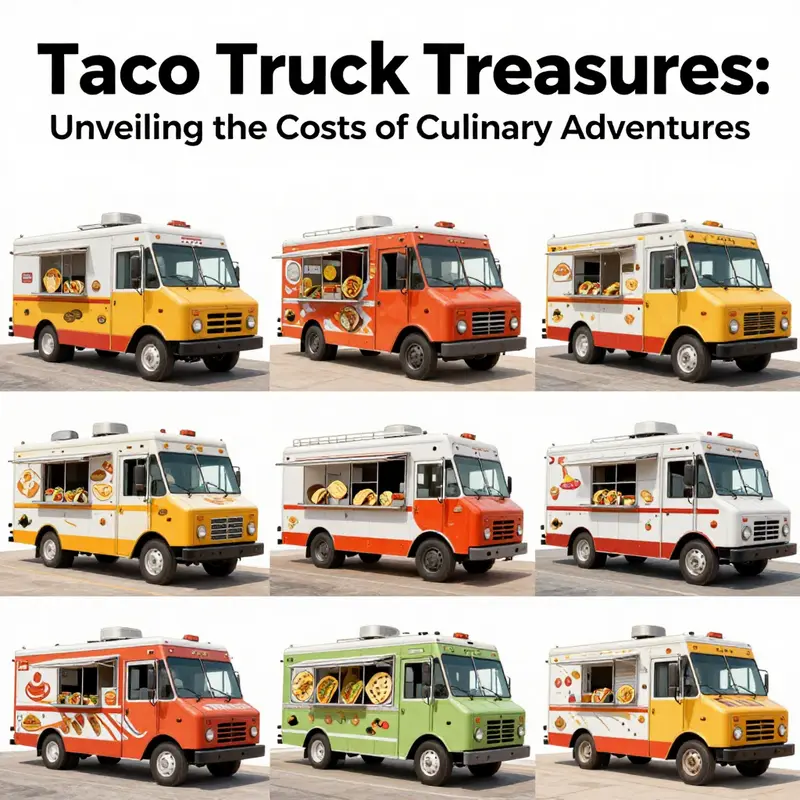
For taco lovers and aspiring food truck owners, the allure of a taco truck goes beyond just fantastic flavors; it’s about creating unforgettable experiences on wheels. Whether you dream of dishing up guacamole and sizzling carne asada at bustling farmers’ markets or want to set up shop outside the next big music festival, understanding how much taco trucks cost is your first step toward culinary success. This guide will take you through the varying price ranges of taco trucks, from basic mobile food trailers to high-end customization options. We’ll explore what features influence these costs, where to find the best deals, and ultimately help you pave your path in the world of taco trucking.
Starting Point on Wheels: Decoding the Basic Costs of a Taco Truck
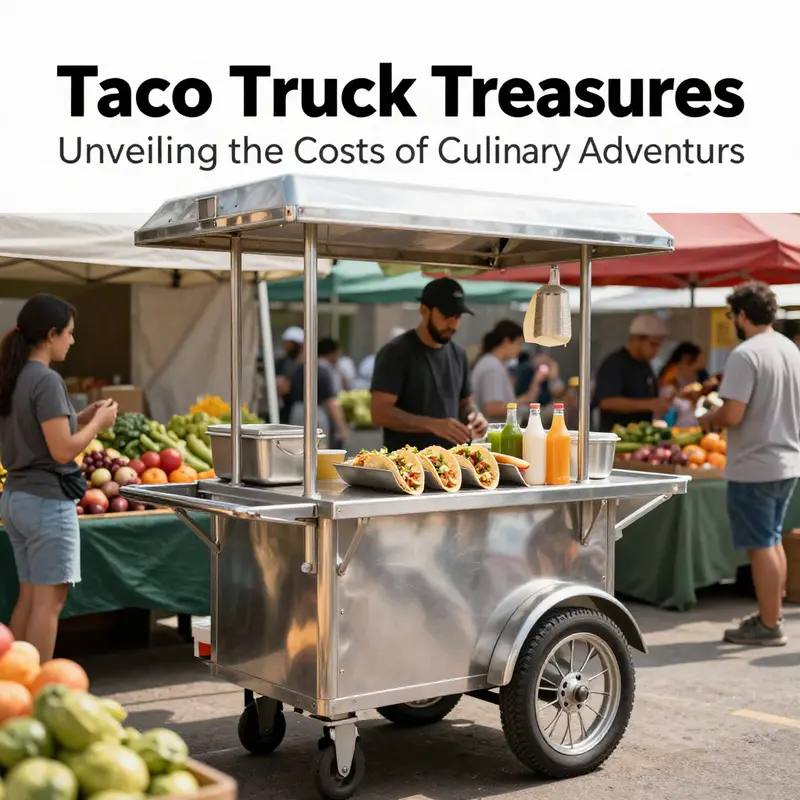
When you start planning a taco venture, the first question isn’t only what you’ll cook, but what it costs to roll your kitchen onto the street. The basic cost landscape for a taco truck begins with a handful of concrete numbers that anchor budgeting, then expands as you add size, equipment, and polish. In practical terms, the cheapest fully equipped mobile options begin with a price well under ten thousand dollars, yet the exact amount you’ll invest hinges on size, the level of outfitting, and whether the unit is new or used. A representative baseline from recent listings puts a compact, ready-to-operate model at about US$2,950 per piece, with dimensions around 2.2 meters by 1.9 meters by 2.5 meters (roughly 7.2 feet by 6.2 feet by 8.2 feet). That core price typically covers essential systems: a water setup with a multi-compartment sink, basic electric wiring, and a one-axle, brake-equipped chassis with an aluminum alloy wheel. In short, it’s enough to get you steaming tortillas and serving customers, which makes it a practical reference point for anyone launching on a tight budget or trying to understand the leverage of scale in a small-business plan.
From this starting point, the obvious variable is size. If you extend the kitchen footprint to accommodate a larger stove lineup, more refrigeration, or additional prep space, you’ll move up the price ladder. The cost landscape is not just about longer walls; it’s also about how you intend to operate. A larger, more capable trailer may be necessary if you plan to handle high-volume events or serve a broader menu, but the trade-off is higher upfront investment, more extensive installation work, and potentially greater ongoing maintenance. The base price’s value lies in giving you a solid floor—an anchor you can rely on as you calculate financing, insurance, permits, and the ongoing costs of running a food business on wheels.
If budget is tight, you might consider a used unit. Used taco trucks can offer substantial savings, but they require careful vetting. The condition of the kitchen equipment, the integrity of the water and electrical systems, and the state of the chassis can dramatically affect total cost of ownership. A used unit might be priced well below the new-baseline number, yet you may encounter higher maintenance needs, shorter warranties, and the possibility of more frequent downtime. For a first-time buyer, it often helps to compare a few options side by side: a brand-new, compact model with a full warranty versus a slightly larger used unit with up-to-date plating, seals, and a reliable generator. Each path has its own risk and reward, and the right balance depends on your appetite for upfront investment versus ongoing reliability.
Beyond the initial sticker price, there are several predictable variables that can push the total investment up or down. One of the most fundamental is customization. The base price accounts for a straightforward, ready-to-operate kitchen—think of essential appliances and basic finishes. If you want more ambitious features, you’ll likely upgrade to better insulation, more sophisticated appliances such as electric grills or ovens, enhanced refrigeration capabilities, or a more stylish exterior. Branding, color schemes, and customer-facing design elements also drive up the cost. Aesthetics may speak to your brand identity, but they also add to the bill when you choose premium finishes, retro styling, or designer interiors. Each of these touches improves customer perception and can influence speed of service, but they also add to the upfront capital you must secure before your first sale.
The market literature around starting costs reinforces this tiered approach. Basic mobile food trailers or taco carts are often cited as starting around three thousand six hundred dollars, reflecting a minimal yet functional platform. In the mid-range, buyers typically see a spread from roughly four thousand five hundred to seven thousand dollars, representing models with better insulation, more capable appliances, refrigeration, and sharper build quality. At the high end, especially for fully equipped electric trucks with built-in generators, commercial-grade appliances, and premium finishes, the price can exceed seven thousand three hundred dollars. In other words, the starting point is a real number, but the total investment for a complete, ready-to-run operation can scale dramatically depending on how far you push customization and capacity.
It’s also important to consider the broader cost ecosystem that comes with a taco truck. Even when the unit itself is competitively priced, you’ll encounter shipping costs, a possible one-year warranty, and payment protection services offered by various platforms. In some cases, suppliers may quote modest base prices and then add costs for features, extended warranties, or after-sales support. If your procurement happens through overseas suppliers, such as Chinese manufacturers, the picture becomes even more layered: unit price, configuration options, and shipping timelines all interact to determine the final outlay. For a concrete snapshot of that broader market reality, you can explore supplier listings that show a range of configurations—from compact street-cart designs to larger, more fully equipped kitchens—alongside notes about warranty, shipping, and customization options. Those listings illustrate how the same basic concept can diverge into a spectrum of investments based on what you need and how much you’re willing to invest in aesthetics and reliability.
For decision-makers who want a practical path forward, the question becomes: how do you translate a starting price into a dependable business plan? A good approach starts with a clear sense of your target capacity and venue mix. If your plan centers on farmers’ markets and neighborhood events with moderate traffic, a compact unit with a solid water and electrical setup may be enough. If you anticipate long service hours and large crowds at festival sites, you’ll likely need a larger footprint and upgraded appliances to maintain speed and consistency. This is where the distinction between new and used really matters. A new unit offers the confidence of a warranty and the certainty of modern electrical and safety standards, but it costs more. A well-maintained used unit can be financially attractive, provided you factor in potential retrofit costs and the risk of downtime during repairs.
As you weigh these options, consider a practical workflow for evaluating offers. Gather multiple quotes for similar base configurations, then itemize the add-ons that matter to your concept—insulation upgrades, extra burners or ovens, refrigeration stages, water heater upgrades, and branding packages. Quantify not only the upfront price but the long-term maintenance costs and the expected lifespan of each component. The goal is to arrive at a total cost of ownership that aligns with your revenue projections, seasonality, and planned event calendar. It’s worth noting that, in practice, the number you settle on will reflect both your appetite for growth and the practical constraints of your local market—permits, health regulations, commissary requirements, and insurance considerations all shape the once-and-done price you initially see.
To connect this planning with actionable guidance, you may also want to explore a practical buying guide that walks through the nuances of choosing the right platform and setup. See Choosing the right food truck for insights on evaluating options and balancing price with performance. This kind of resource helps translate the raw price data into an operating plan that begins with a solid vehicle and ends with a reliable routine for cooking, service, and compliance. For a broader market snapshot, a representative external reference can offer context on supplier pricing and configurations; one such listing aggregates the kinds of features that buyers consider as they move from a bare-bones trailer to a fully equipped kitchen on wheels: https://www.made-in-china.com/products/1333333333333333333.
In the end, the basic costs establish the floor of your taco-truck investment. They are the platform on which you’ll build your brand, your menu, and your business model. Understanding the starting point—what you get for the base price, what you add, and what the total ownership looks like—helps you plan more accurately and avoid frustrating gaps between dream and deployment. The numbers aren’t mere trivia; they shape the timeline, the financing strategy, and the operational expectations you set for your first nine to twelve months of service. And while the latest market data you rely on may shift with currency, supplier, or shipping changes, the core principle remains constant: a taco truck is a scalable platform, and its cost structure is a mirror of the scale you choose to pursue from day one.
Internal link note: For a concise guide to selecting the right configuration, see the resource linked here: Choosing the right food truck.
External reference: https://www.made-in-china.com/products/1333333333333333333
Striking the Balance: How Mid-Range Taco Trucks Deliver Value Through Features and Pricing
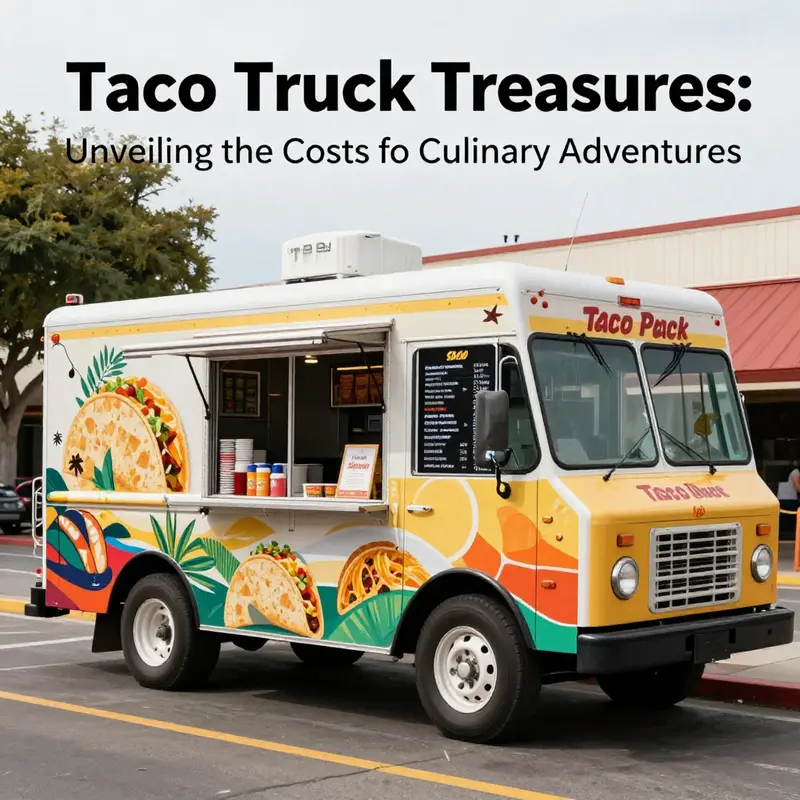
When a would-be taco entrepreneur weighs the options, mid-range toughs act like a deliberate compromise between the raw affordability of basic mobile setups and the expansive capabilities of high-end, fully outfitted units. This middle ground, often priced between five thousand and twelve thousand euros, is where practicality meets growth potential. It is not just a price bracket; it is a design philosophy that blends manual craft with selective automation to support consistent output without demanding an army of specialists. In the current market, mid-range taco trucks are framed as an investment that pays back through steadier service, improved product consistency, and a scalable path to higher throughput as demand increases. They are especially compelling for operators who want to elevate their kitchen efficiency while preserving the flexibility to tailor menus and operations to local tastes and seasonal supply, rather than committing to a fixed, high-volume workflow from day one.
The price range itself reflects both the hardware and the accompanying capability. Mid-range trucks sit above the most basic trailers in terms of insulation quality, refrigeration capacity, and build integrity, yet they stay below premium models that often include bespoke finishes, larger electrical systems, and a broader suite of fully automated technologies. In euro terms, the segment typically spans roughly €5,000 to €12,000, and that spread matters. The difference between a lean, functional configuration and a more polished, semi-automated setup can translate into a noticeable divergence in service speed, consistency, and maintenance burden. For many operators, the choice comes down to the balance between upfront cost and the velocity of service they expect to deliver on the street during peak hours. A crew staffing plan, local permit considerations, and expected event frequency all tilt the equation toward one side or the other, but the mid-range offers a surprisingly forgiving margin for maneuver if the buyer prioritizes practical features over flashy trimmings.
Key features define the mid-range proposition. Semi-automated systems stand out as the most consequential upgrade in this tier. Think of automated fryers or conveyor grills that reduce manual handling, paired with pre-portioning tools that standardize serving sizes. These components do not replace the cook or the line cook’s judgment, but they do reduce repetitive motions and help ensure consistent product presentation across a busy shift. The value here is twofold: efficiency and consistency. When a taco truck handles a moderate-to-high volume, the ability to push out uniform portions without slowing the line becomes a tangible asset. It translates into shorter wait times for customers and less variance in product weight and topping distribution, which in turn supports brand consistency and reduces waste. The semi-automated approach keeps an operator tethered to core cooking tasks while offering a streamlined workflow that can be scaled as traffic grows.
Beyond automation, mid-range builds typically include improvements in insulation, refrigeration capacity, and general durability. Better insulation helps retain heat or cold, depending on the menu, which is critical when operating across varying climates or long service hours. Refrigeration units in this tier are designed to handle more ingredients and tighter storage cycles, enabling operators to offer a wider taco lineup without frequent restocks. The chassis and mounting tend to reflect a careful balance between ruggedness and weight management, allowing the vehicle to remain nimble enough for street vending while resisting the wear and tear of daily use. Some configurations even explore retro or streamlined aesthetics, echoing the culinary story the cart tells—an invitation to customers that the kitchen is serious, playful, and committed to quality.
Operational efficiency is where mid-range options truly shine. The blend of manual oversight with semi-automated aids enables operators to maintain a hands-on approach to cooking and assembly while capitalizing on the speed and repeatability of automation. In practice, this means the cook still seasons, sears, and sauce-applies with care, but can lean on pre-set temperatures, timed cooking cycles, and portion control to deliver a dependable product during lunch rushes or festival lineups. The net effect is not a shift toward cold efficiency at the expense of flavor, but rather a disciplined cadence that supports consistent taste and presentation even as orders swell. This alignment between equipment capabilities and the realities of on-street service is what often distinguishes mid-range setups from their more frugal cousins and their more lavish counterparts.
Flexibility sits at the heart of the mid-range choice. Operators frequently need to pivot between a core taco offering and a rotating roster of specials. Semi-automation can be tuned to accommodate such shifts—varying toppings, different protein portions, or new sauces—without triggering a complete retooling of the kitchen. The ability to adapt without a full rebuild is particularly valuable for entrepreneurs experimenting with neighborhood menus or chasing events with changing demand. A mid-range truck can be wired to accept optional upgrades or swap in additional modules as the business grows, preserving the freedom to reconfigure the kitchen without exhausting capital. This flexibility aligns closely with the realities of starting a food- truck venture whose appetite for menu variety outpaces its early scale.
Cost considerations in this tier are nuanced. While the initial investment is higher than a purely manual setup, it is typically lower than what premium, fully automated fleets demand. The upfront cost buys you a more robust chassis, better kitchen insulation, refrigeration, and the potential for semi-automation that reduces labor intensity. Maintenance, too, becomes a factor; the integrated systems require skilled attention, and the warranty period—often around one year—serves as a cushion for early refinements. Training emerges as a recurring investment. Staff will need to understand how to operate, troubleshoot, and clean the semi-automated components while maintaining the handcrafted touch customers expect from a taco experience. In this regard, the mid-range model acts as a bridge: it invites more efficient processes without forcing a complete reorientation of the workforce.
From a practical perspective, mid-range taco trucks are built for growth. They reward operators who anticipate rising traffic, expanding menus, and more frequent outdoor events. The combination of stronger insulation, improved refrigeration, and selective automation enables longer service windows with steadier output. It is a setup that supports a more ambitious business model—one that might evolve from street vending to a more structured mobile kitchen operation without a prohibitive leap in capital expenditure. The mid-range choice maintains the tactile skill and culinary storytelling that define taco craftsmanship while offering a leg up in speed, consistency, and reliability. The trade-off is clear: you trade some degree of hands-on control for a set of tools that help you handle more plates per hour, all while keeping the kitchen approachable for your team and adaptable to the market’s whims.
For readers considering how this tier fits into a broader strategy, a broader view of mid-range configurations and their place within a successful fleet can be enlightening. See the overview of top food truck models for success for context on how different configurations stack up in terms of workflow and outcomes. The cheaper end of the spectrum will win on price but may require more hands-on labor, while the high end can deliver speed and consistency at a premium. The mid-range position, by contrast, aims to balance the two: enough automation to enhance throughput and consistency, plus enough flexibility to preserve artistry and menu variation once the business reaches its stride.
External resource: Prix Food Truck Guide: Composition, Structure, and Performance for Engineers. This external guide offers deeper technical insight into kitchen configurations and performance expectations for hybrid and mid-range mobile kitchens, complementing the practical observations outlined here.
Top food truck models for success
Lux on Wheels: The True Cost of Custom, Premium Taco Trucks
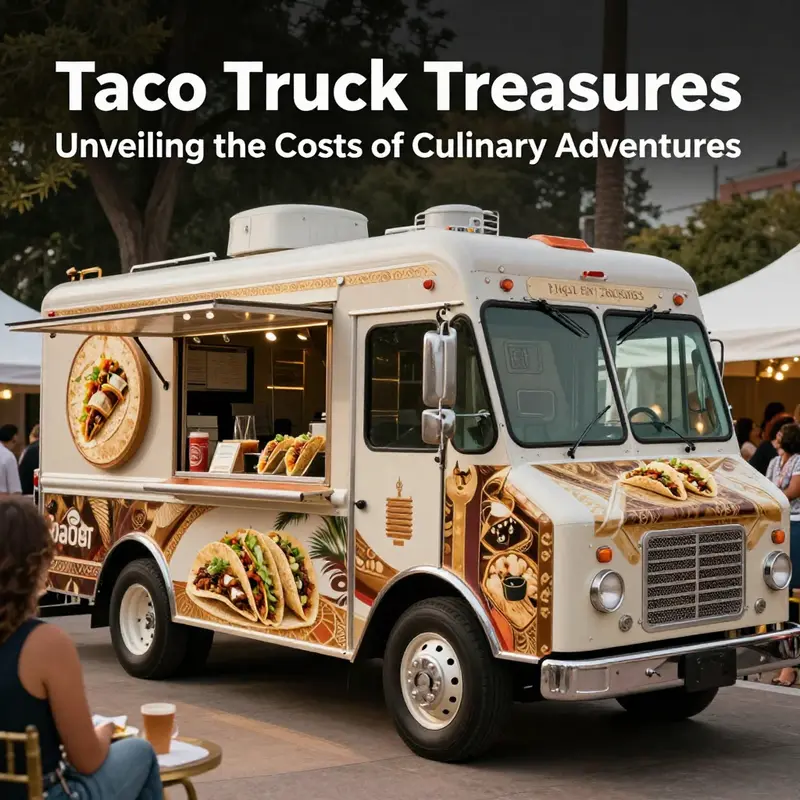
Beyond the basics of a mobile kitchen, premium builds redefine what a taco truck costs. These rigs emphasize extended-hours durability, precise airflow, and brand-focused interiors that turn a vehicle into a climate-controlled production studio. Expect price tags that begin around eighty-thousand dollars and commonly exceed six figures, especially when you add custom cabinetry, premium appliances, and branded lighting.
Cost drivers include heavy-duty chassis upgrades (often custom-formed steel or aluminum frames), commercial-grade stainless steel finishes, industrial refrigeration, high-capacity ventilation, robust electrical systems (often 240V/3-phase where available), and integrated software for inventory and service speed. These features push upfront price but yield longer-term reliability, easier maintenance, and faster service during busy windows.
The premium tier also includes design and procurement efficiencies, like in-house engineering, on-site commissioning, and long-term service packages. The ROI is realized through reliability, faster service during peak periods, and a branded customer experience that commands premium pricing.
When budgeting, buyers should consider lead times, warranties, and compliance costs (UL, CE marks, and local health and safety requirements). Work with suppliers who provide detailed part lists, material specs, and clear maintenance plans to ensure a predictable lifecycle.
For readers transitioning from a standard unit, a structured decision framework can help align spending with long-term goals such as brand differentiation, operating margins, and scalable growth. External resources can offer broader market insights; see Strategic Sourcing of Taco Trucks: Market Analysis at https://www.foodservicepros.com/strategic-sourcing-taco-trucks-china-supplier-guide-market-analysis/.
The True Price of Taco Trucks: How Location, Gear, and Permits Shape Your Street-Vending Budget
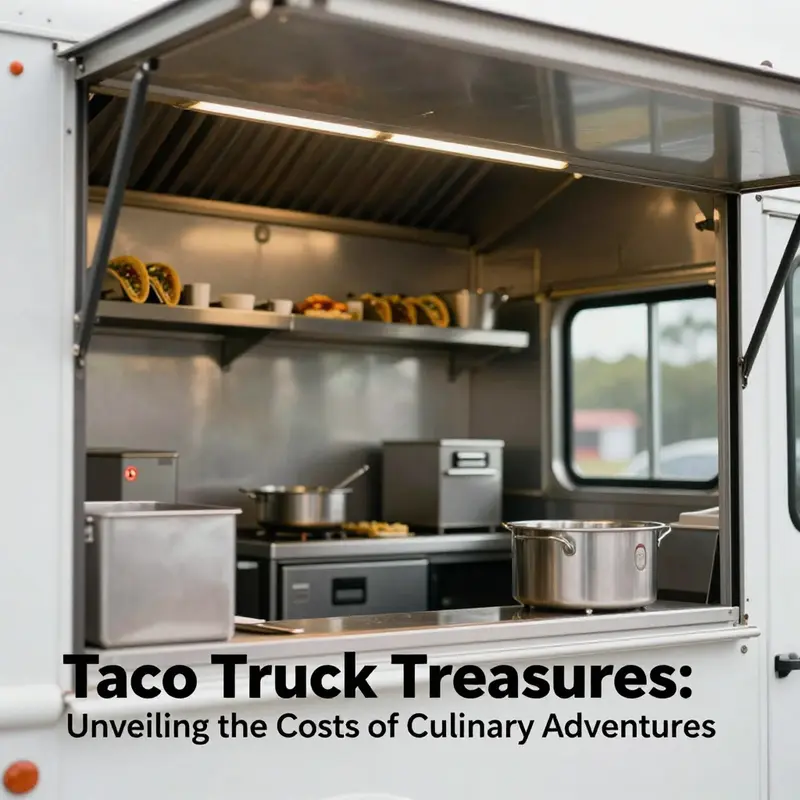
Buying a taco truck often starts with a sticker price that feels straightforward enough. A quick glance at the market yields a spectrum: simple, fully equipped mobile trailers can begin around $3,600; mid-range, customizable trucks often land between $4,500 and $7,000; and high-end, fully loaded electric models with premium finishes can climb to $7,300 or more. But the real cost of going mobile goes far beyond the initial price tag. The everyday expense of operating a taco truck—where you set up, what you cook with, who you hire, what you serve, and how you stay compliant—collects into a budget that can surprise even seasoned vendors. To understand the full financial arc, it helps to walk through the core factors that shape both upfront expenditures and ongoing costs, and to connect those factors to the price ranges that appear on the market. This is not just about buying a machine; it is about building a practical, sustainable business on four wheels.
First, location and market realities carry a heavy weight on cost. Urban centers and tourist hubs command premium parking or vendor spaces, and the limited availability of spots can translate into higher daily or monthly fees. In contrast, rural or quieter neighborhoods may offer cheaper access but swing in terms of customer flow and frequency. Zoning and street-vending rules complicate things further: some municipalities restrict where trucks can park, when they can operate, and for how long. Those constraints affect revenue potential in a direct way. A truck that can only work weekends in a few blocks has a different break-even calculus than one that can rotate through multiple districts each day. The location decision, then, functions as both a revenue driver and a cost driver, because it dictates how often you can be open, how many people you can reasonably serve, and how much you owe to the local authorities and property owners for a place to operate. It is a reminder that the journey from concept to cash is inseparable from the geography of the business.
Equipment represents the most visible line on the spread sheet. The initial outlay is determined by the quality and configuration you choose. A basic trailer may come with a service window, a prep counter, and a minimal cooking setup, which keeps the price approachable. If you need more robust insulation, higher-capacity refrigeration, a more powerful cooking line, or specialized appliances, the price climbs quickly. Electric grills, ovens, or fryers raise energy demands, and some operators invest in built-in generators or larger electrical systems to ensure consistent service during busy spells or in locations with spotty power. The long-term economics of equipment hinge on durability and energy efficiency: better equipment may cost more upfront, but it can reduce downtime, lowering maintenance expenses and the cost of fuel or running a generator over time. The decision to upgrade or customize—perhaps to achieve a particular aesthetic or to meet a specific menu niche—can also push the total budget higher, but may pay off through customers’ willingness to pay a premium for reliability and speed.
Labor costs are the next front of the budget to reckon with. A taco truck typically operates with cooks who can prepare tortillas, assemble toppings, manage sauces, and handle front-of-house duties. In some markets, wages rise sharply in response to living costs, union activity, or staffing shortages, which pushes wage costs upward. Staffing levels depend on the complexity of the menu, the hours of operation, and the expected volume of customers. Efficient workflow inside the truck and clear role definitions can help keep labor costs in check, but even with lean staffing the base wage and payroll taxes are a recurring line item. Training—often a one-time investment with long-term payoff—also factors in, because skilled staff reduce mistakes, speed up service, and improve customer satisfaction, all of which influence daily revenue.
Ingredients and supplies form another dynamic layer of cost volatility. Tortillas, meats, cheeses, vegetables, and spices are subject to seasonal variation, supply chain disruptions, and market demand. Premium ingredients or specialty items can justify higher menu prices and attract loyal customers, but they also raise the risk of margin erosion if sales do not keep pace. Inventory management, portion control, and vendor relationships are essential to keeping this portion of the budget predictable. Smart sourcing can stabilize costs, while a more diversified supplier network may offer resilience against price spikes. In the long run, ingredient strategy intersects with branding: a kitchen that markets itself on authenticity or regional flavors may attract higher price points, but only if the costs are carefully aligned with what customers are willing to pay.
Permits, licenses, and compliance bring a steady, often underestimated, stream of expenses. Health inspections, business registrations, mobile vendor permits, and periodic renewals create recurring costs that can be significant, particularly for operators expanding into new jurisdictions or upgrading their equipment to higher safety standards. Compliance is not merely bureaucratic overhead; it is a business posture that affects risk, insurance premiums, and the ability to operate during peak periods. The time spent navigating approvals and maintaining records can also translate into labor costs or downtime, both of which affect cash flow. While the exact fees vary widely by city and state, the pattern is clear: cutting corners on permits may reduce upfront expense, but it increases the probability of costly delays, fines, or forced closures. A disciplined approach to permitting helps ensure smooth operations and predictable revenue streams over the life of the truck.
Marketing and branding round out the core cost drivers by shaping demand and clarifying value to customers. A strong brand presence—signage, staff uniforms, menu boards, and a consistent story—does not just attract customers; it enables price resilience. In competitive markets, a clear identity can justify premium pricing and repeat business. The cost of marketing ranges from simple, low-cost digital engagement to more ambitious investments in signage and event sponsorships. This area often gets treated as optional, yet it plays a crucial role in converting an available location into a reliable revenue source. The math is simple but powerful: well-executed branding supports higher average ticket prices and more frequent repeat visits, which can materially alter the burn rate and the trajectory toward profitability.
When you pull these strands together, a price range like $3,600 to $7,300 or more begins to make sense not as a single number, but as a reflection of how a buyer envisions the business. The lower end can be attractive for individuals testing a concept or serving smaller venues, where revenue opportunities align with tight operating costs. The mid-range offers more durability, better accommodations for a higher-volume operation, and room for a more sophisticated menu without a full culinary-scale footprint. The higher end captures the appeal of premium finishes, full electrical systems, and the capacity to deliver a consistent service in demanding environments. Each tier represents a different set of trade-offs between upfront investment, ongoing expenses, and potential revenue streams.
For anyone weighing these choices, a practical approach is to think about the truck as a movable storefront that must sustain cash flow across varying contexts. The initial spend should align with a realistic forecast of how often the truck will operate, in what locations, and with what level of menu complexity. It is wise to assess the worst-case operating scenario—low traffic, high permit costs, and unpredictable supply—and then build a buffer into the startup budget. A careful plan also includes a disciplined strategy for upgrades: when to invest in more efficient equipment, when to expand to additional permits, and how to scale labor in step with demand. In this light, the early decision about which path to take—the simplest trailer, a sturdier mid-range setup, or a premium, fully equipped machine—becomes a strategic choice about risk, resilience, and long-term return.
If you are evaluating options and want a grounded sense of how these pieces fit together, consider the guidance offered in resources on choosing the right food truck. It provides a framework for matching your budget with the right configuration and features, helping you avoid overpaying for capabilities you may not need. You can read more through this guide on Choosing the right food truck. Choosing the right food truck. For a broader look at financing, licensing, and regulatory considerations that shape every line on the budget, the U.S. Small Business Administration offers detailed, practical resources that can inform your planning and help secure funding when needed. SBA guidance.
Pricing on the Move: Understanding Cost Variability When Shopping Taco Trucks
Buying a taco truck is less about a single sticker price than about a moving target shaped by size, build quality, equipment, energy needs, and the path you choose to acquire it. As of early 2026, market observers outline a spectrum that begins with compact, basic mobile trailers and climbs toward more elaborate, fully equipped trucks with electric power and premium finishes. The simplest units, essentially stainless steel trailers with a service window and a basic stove or griddle, can start around three thousand six hundred dollars. They are lightweight, quick to deploy, and ideal for farmers’ markets or pop-up events where space and power are limited. These entry models do not pretend to be anything more than compact workhorses, but they can be perfectly adequate if your reconnaissance with customers is limited to weekends and short runs.
From there, the middle tier expands in price and capability. Mid-range customizable taco trucks typically land in a broader band, from roughly four thousand five hundred dollars to seven thousand dollars. These configurations usually add better insulation, more robust cooking and refrigeration options, and improved durability. They also often feature more polished aesthetics, with retro or modern styling chosen to align with a brand story. The extra cost buys reliability and efficiency: a more powerful hood system, more consistent temperatures, and quieter operation, which matters when you are cooking in enclosed or semi-enclosed spaces in urban settings. The incremental spend can pay for itself through reduced maintenance headaches and faster service during peak hours.
At the high end sits the fully equipped electric or near-electric taco truck. Premium models, especially those with complete electrical systems, built-in generators, and commercial-grade appliances, can exceed seven thousand dollars and stretch well into the multiple tens of thousands depending on scale and finishes. These are not just appliances on wheels; they are portable kitchens designed to handle high volumes, continuous service, and demanding health and safety standards. They may include integrated battery storage, sophisticated climate control, and vanity touches that create a distinctive customer experience. In practice, this upper tier is chosen by operators who expect to run long shifts, park in areas with limited access to power, or prioritize a certain brand identity that transcends basic functionality.
The price picture, however, becomes more nuanced when you consider new versus used units, customization, and the realities of international sourcing. A used model can dramatically cut upfront costs, but it can also bring hidden maintenance and compatibility questions. Customization—whether it is a bespoke exterior design, a tailored refrigeration layout, or a higher-end exhaust and filtration system—will push the price upward. The same applies to shipping, which varies by destination, port fees, and the logistics of delivering fragile, fitted equipment. In some markets, buyers have access to preconfigured factory models with fixed price points, while in others, vendors will work from a menu of options where every choice reshapes the final tally. In short, two trucks that look similar on a street corner can end up with a thousand-dollar gap in price once you factor in the details.
To navigate this variability with confidence, it helps to map out a practical framework before you begin gathering bids. Start with your core needs: the size of the cooking area, the types of foods you plan to prepare, and the space you expect to service at peak times. A basic setup might cover a simple griddle, a small hood, a refrigeration unit, and a basic water system. If you anticipate a high-volume operation or a need for consistent cooking temperatures across long shifts, you will want more robust insulation, more dependable power, and better airflow design. Each of these design choices adds cost, and they interact with your intended location. Urban permits, health inspections, and local fire codes may require certain standards that in turn influence the equipment package. Because these factors vary by jurisdiction, your price can diverge from a neighboring city’s by a sizable margin.
Alongside the configuration decisions, buyers should keep a clear eye on the total ownership picture, not just the upfront price tag. Maintenance costs accumulate quickly for a kitchen on wheels. Parts like sensors, gaskets, fans, and water pumps wear out, and the more complex the system, the higher the potential repair bill. Insurance is another monthly consideration, especially if you plan to tour multiple markets or high-traffic events. Licensing, food handling certifications, and waste management add ongoing costs that differ by locale. Financing options can spread the burden, but interest rates and terms will influence the overall spend. The value proposition of a higher-priced unit rests on durability, efficiency, and the ability to command premium pricing for a more polished experience. If your business plan expects to operate in premium venues or longer seasons, that premium makes sense; if you are testing the waters or running a seasonal weekend business, a leaner setup often yields a shorter break-even period.
In practice, the shopping process benefits from a careful, apples-to-apples comparison of quotes. Prices will not always be listed in a fixed grid; some suppliers publish base prices with optional add-ons, while others present all-inclusive packages that simplify budgeting but limit customization. Because of this, it pays to request comprehensive bids that itemize every feature, from the electrical system grades and generator capacity to the type of hood and the fire suppression arrangement. If you move beyond a single vendor and collect proposals, you gain leverage for negotiations that can trim ancillary fees such as delivery and setup. It also helps to understand warranty terms, what is covered, and for how long. A one-year warranty on the shell and equipment is common, but the terms for parts, on-site service, and replacement of wear items can vary. Assessing post-purchase support is as important as any initial discount because a reliable vendor can reduce downtime during crucial early weeks of operation.
For readers who want a concise roadmap to price and procurement decisions, a well-chosen guide offers a practical compass. To begin with, consider your brand narrative and the service cadence you aim to sustain. A compact, utilitarian trailer may be enough to prove demand, but a truck with a distinct aesthetic and a carefully tuned kitchen can attract higher-value clients and longer contracts. Then, explore the range of configurations a supplier can offer, recognizing that choices about insulation, power, and equipment drive the price curve up or down. It is also beneficial to check for options that facilitate scaling, such as modular design elements that allow you to upgrade components later without purchasing an entirely new unit. Even with a fixed price point, a thoughtful model can reduce energy consumption and food waste, delivering savings that compound over time. If you are curious about how to navigate this landscape in a structured way, Choosing the right food truck offers a considered framework to compare options and align them with business goals.
Ultimately, the question of how much taco trucks cost hinges on the balance between ambition and practicality. A basic unit might suffice to test a concept in a single market, while a mid-range or premium build can sustain growth across multiple venues and seasons. Prices will continue to shift with market demand, supply chain dynamics, and currency movements if you are importing units. What remains constant is the insight that every added capability—extra burners, bigger refrigeration, faster service, or a more striking aesthetic—has the potential to add value, but it also adds price. For operators, the most prudent approach is to start with a clear grocery list of needs, gather diverse bids, and translate those bids into a total cost of operation that includes ongoing maintenance, insurance, and licensing. If you can anchor your decision in a thoughtful balance of upfront cost and long-term benefits, you can move from curiosity to a plan with confidence. For broader buying guidance that surveys multiple markets and vendor categories, see external resources such as the broad industry guide at https://www.foodtrucks.com.
Final thoughts
Navigating the vibrant terrain of taco truck pricing can feel overwhelming, but understanding the costs associated with your venture is crucial for making smart, flavorful decisions. From basic taco carts ideal for beginners to luxury trucks that could serve the stars, the options are as diverse as the tacos themselves. With this knowledge in your pocket, you’re now ready to hit the road to taco truck success—bringing your culinary creations to the masses. So gather your dream team, fuel your passion for flavors, and take the leap into the thriving taco business world!