
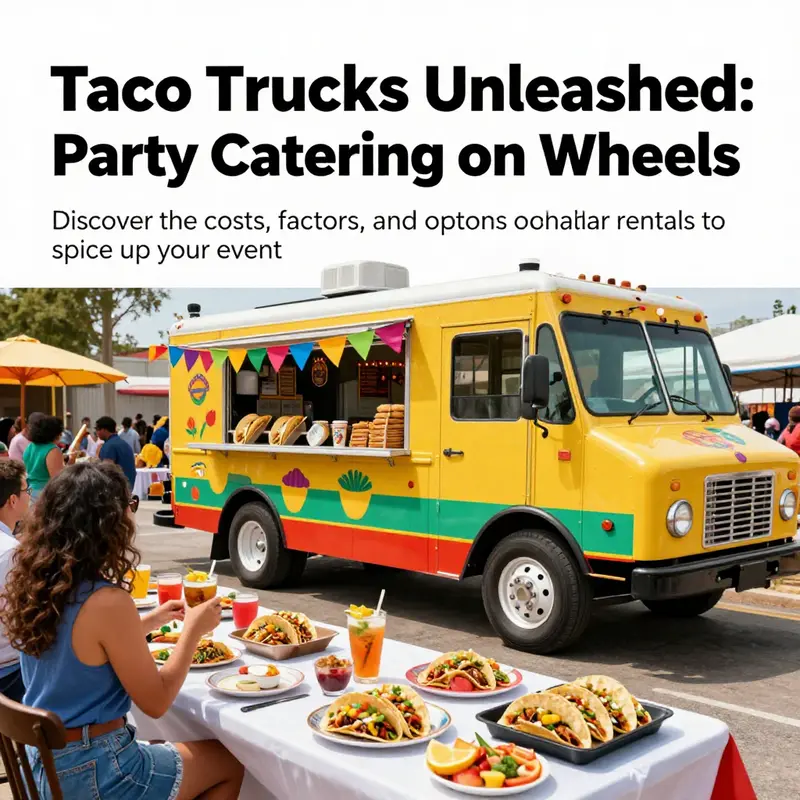
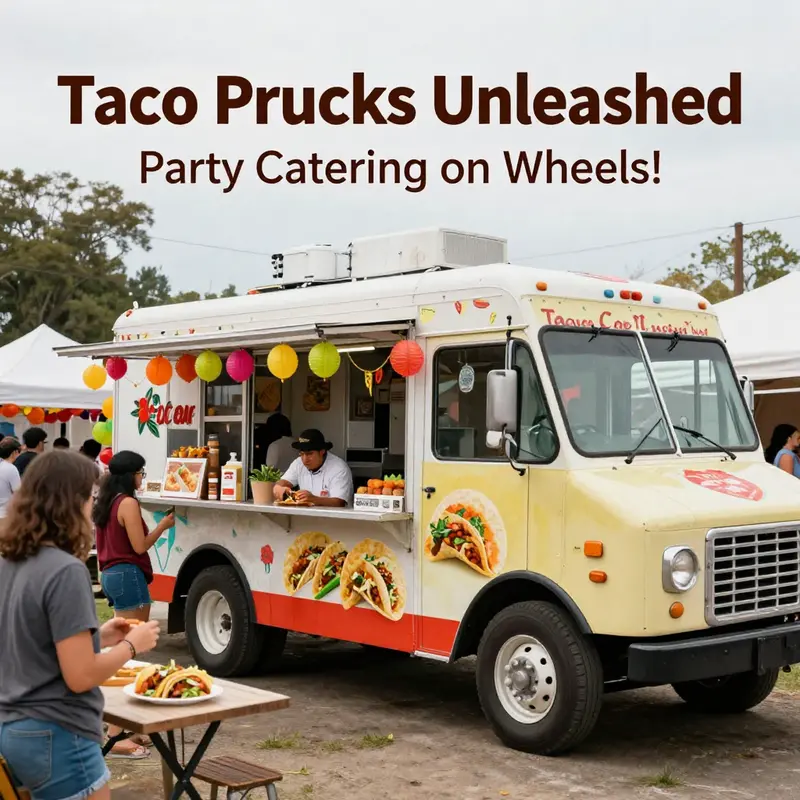
Picture this: A vibrant taco truck rolls up to your event with the mouth-watering aroma of sizzling meats and fresh toppings wafting through the air. Simply delicious! Whether you’re hosting a birthday bash, a wedding, or a corporate gathering, renting a taco truck can be the ultimate crowd-pleaser. The cost of bringing this culinary fiesta to your doorstep varies, and understanding those costs is essential for taco lovers and entrepreneurs alike. Dive in as we explore the rental costs, the factors that affect pricing, and conduct a comparative analysis of taco truck rentals to help you make the best choice for your next event!
null
null
From Factory Floors to Festival Feasts: The Real Cost of Taco Trucks for Parties
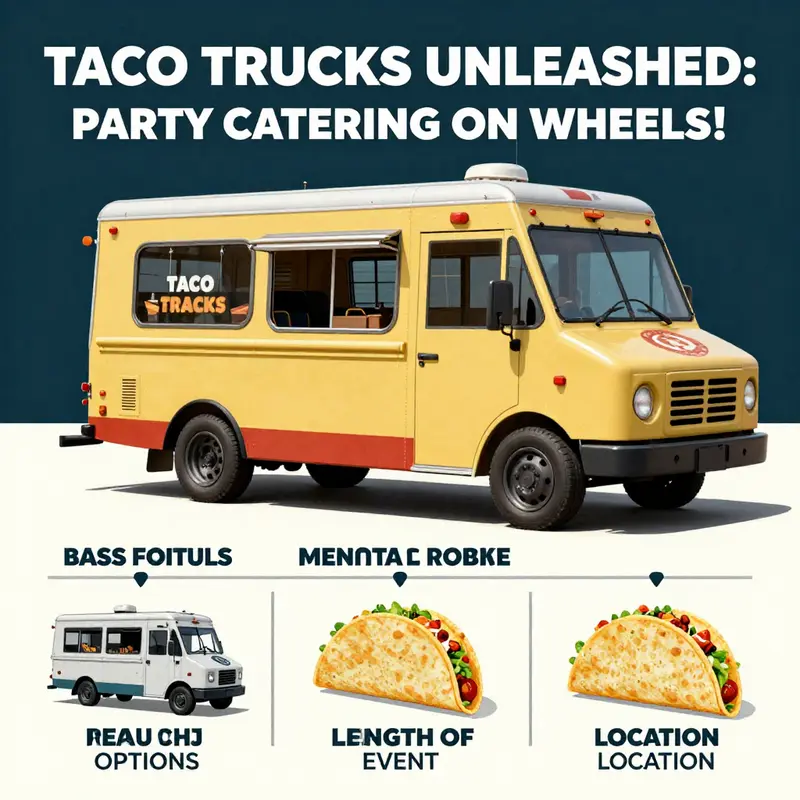
The image of a gleaming taco truck rolling into a backyard party is compelling, but the price behind that image is rarely a single number. People often ask for the sticker price, but the true cost for a party unfolds as a chain of decisions about rental, operation, and long-term value. A basic food truck built for taco service can have a factory price roughly in the five- to eight-thousand-dollar range in early 2026. That is the vehicle plus essential safety and sanitation features, but it is not the price you pay to run a single event. The real question is cost per event, based on how long you need the truck, how many staff you hire, and what level of service you expect.
Rental and service models shape the landscape. Four-hour windows might land in the one- to two-thousand-dollar range, while full-day service with a customized menu or premium equipment can push toward three thousand or more. In many markets, prices rise in large cities where labor and logistics are expensive, and permit or insurance costs are higher. To balance cost and value, many buyers compare multiple quotes and look for bundles that include staffing, setup, delivery, and cleanup. The goal is apples-to-apples comparison: what’s included, what’s optional, and what happens if the menu changes.
Beyond the sticker price, total cost of ownership matters. Custom builds with high-end refrigeration, multi-zone cooking, and advanced exhaust systems cost more upfront but may deliver higher throughput and lower maintenance over time. Reliable after-sales support, spare parts, and predictable service come with a price tag that can lower risk and reduce long-run costs. You also must budget for permits, insurance, power sources, and health compliance. These factors can significantly influence the final spend and the timing of payments. The right approach is to plan ahead, request detailed specs and references, and weigh upfront investment against the long-term reliability and guest experience.
In short, the price of a taco truck for a party is a map of choices: what you buy, how long you operate, and the level of service you expect. Whether you rent a modest setup for a one-off event or invest in a customized rig for ongoing events, the key is to align the price with your event goals, guest experience, and long-term budgeting.
Riding the Budget Wave: How Taco Truck Rentals Shape Party Costs and Flavor
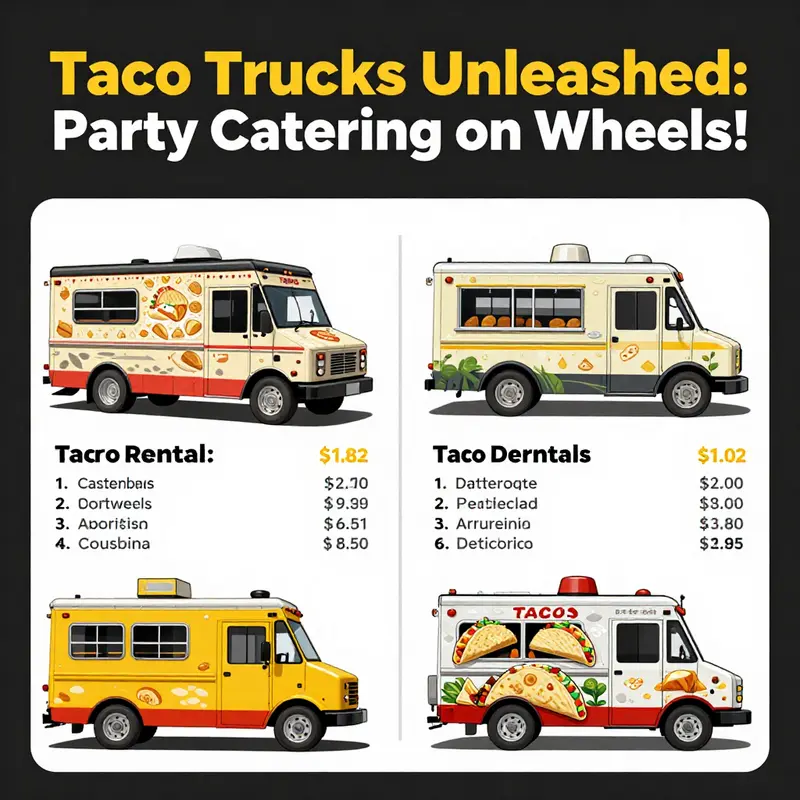
A taco truck rolling into a party is more than a food line; it is a moving stage that blends culinary spectacle with logistical precision. For planners and hosts weighing how much a taco truck for a party should cost, the decision often starts with a simple distinction: buy and own a mobile kitchen, or rent one for a specific event. The price dynamics are not just about the sticker price or weekly rental; they hinge on how the truck fits into the arc of the celebration, from the moment guests arrive to the moment the last plate is cleared. In this chapter, we explore the economics of taco truck rentals as a practical lens for understanding how flavorful mobility translates into budget realities. We will trace the spectrum of costs, unpack the main drivers, and reveal how a well-chosen rental can deliver value beyond the dollar sign, while also clarifying when ownership or a hybrid approach might be the better play for events of varying scale and ambition.
When you compare rental costs to the purchase price, the numbers immediately reveal two different budgeting philosophies. On the lower end, basic taco trucks and related food-truck trailers that are currently available for purchase in the United States run roughly from five thousand two hundred to eight thousand dollars per unit, as of January 2026. This figure reflects the vehicle itself—its exterior, basic utilities, and a kitchen footprint that can be tailored in color and branding. It is the kind of price tag that makes sense for a food-service venture that intends to use the truck repeatedly, perhaps at multiple events or as a stepping-stone toward a larger mobile-catering operation. Yet this is a capital expenditure, a commitment to ownership that carries maintenance, storage, insurance, licensing, and potential depreciation over time.
Rentals, by contrast, follow an event-centric logic. A taco truck rented for a party is typically priced on a per-event basis, and those costs can range from about a thousand dollars to three thousand dollars or more for the day. Several factors drive the variation within this band. The length of the event is the most obvious variable: a four-hour backyard gathering will typically cost less than an all-day celebration, a festival, or a corporate retreat with back-to-back service windows. The menu and cuisine complexity matter as well. If a truck offers a simple menu with streamlined assembly and minimal specialty ingredients, the per-event charge will naturally be lower than a package that includes elaborate, chef-curated toppings, multiple protein options, or made-to-order components.
Location further tilts the scale. Urban environments, where permits, parking constraints, and traffic patterns add layers of complexity, tend to push rental rates higher. Rural or suburban settings may yield more favorable pricing, all else equal. The inclusion of staff, equipment, and comprehensive setup and cleanup—often bundled into a single daily rate—can also tip the balance. A common full-day package might encompass the truck, a couple of skilled cooks, a server or attendant, basic condiments, and the necessary disposables. In some cases, the vendor will also include a turnkey setup that handles all logistics from arrival to departure, removing the host from the challenge of coordinating multiple moving parts on the day of the event.
The economics of rental are not merely about paying for time and labor. They also reflect the operational efficiencies that taco trucks bring to busy service periods. Designed for high-volume, quick-service Mexican street-food concepts, these units are optimized for speed and throughput. The kitchen workflow—from order intake to assembly to plating—leans toward minimizing bottlenecks. Built-in grills, refrigeration units, and compact, efficient layouts are all aimed at moving guests from line to plate with minimal wait times. When a truck is well-utilized at a party, the perceived value rises in tandem with the speed and reliability of service. Guests experience a seamless flow, and the host witnesses fewer interruptions in the event’s tempo, which can translate into higher guest satisfaction and social-media-worthy moments that amplify the event’s overall impact.
For hosts who are calculating the total cost of adding a taco truck, it helps to segment the price into what is included versus what might be optional. A straightforward rental may cover the vehicle, basic staff, and essential equipment, with ingredients billed separately on a per-person basis or as part of a flat-fee menu package. In other scenarios, the rental may present an all-in package that includes staffing, a curated menu, ingredients, setup, and cleanup. This distinction matters because it shapes not just the bottom line, but also the host’s risk profile and planning flexibility. A per-person model can be highly predictable for larger guest counts, enabling a scalable approach that aligns with headcount and appetite. A flat-rate, all-inclusive package, meanwhile, can simplify budgeting for smaller events where guests expect a premium, immersive experience and where the vendor’s staffing and supply planning are guaranteed.
To translate these ideas into a practical framework, imagine two event archetypes that live on opposite ends of the rental spectrum. The first is a four-hour backyard celebration with moderate guest numbers and a desire for authentic street-food vibes, rather than a formal plated service. The host leans into the visual spectacle of a taco truck—the bright, branded exterior as a social-media magnet, the smell of peppers and roasting meat in the air, and a buffet-style line that feels approachable and festive. The rental decision here would likely favor a mid-range package: a truck with a couple of cooks, all necessary warmers and utensils, and a simple, crowd-pleasing menu with vegetarian options to cover dietary preferences. In this scenario, the all-in cost might cluster toward the lower end of the per-event scale, while still delivering high throughput and guest engagement. The second archetype is a full-day corporate retreat or wedding reception on a rooftop, where timing is critical, guest expectations are elevated, and the menu is part of the brand experience. Here a premium, all-inclusive package can be highly appealing. The client may value the menu customization, specialty toppings, and dedicated staff who keep lines moving even during peak periods. The cost, naturally, sits toward the higher end of the spectrum, but the perceived value—the brandable, experiential impact—justifies the premium for some hosts.
The language of value in taco-truck rentals often centers on three intertwined dimensions: branding, flexibility, and reliability. The branding angle is more than decorative; it is a form of experiential marketing that can elevate a party’s character. The vibrant, kinetic presence of a taco truck can become a focal point for guests’ photos, social posts, and conversations, turning a meal into a memory. The flexibility of a taco truck is equally important. Operators frequently offer menus that can be adapted to dietary needs, from vegetarian and vegan options to gluten-free or allergen-conscious preparations. This flexibility matters not just for guests with restrictions, but for event planners who must balance a diverse guest list. Reliability completes the triangle. A well-staffed truck that arrives on schedule, sets up efficiently, and maintains consistent service throughout the event minimizes disruption to the program and helps ensure a smooth progression from cocktail hour to dinner to dancing.
From a budgeting perspective, the reliability and branding advantages can translate into a higher perceived value, which in turn can justify a higher rental rate for premium events. Yet the cost calculus remains anchored in practical factors. The length of service is a straightforward driver. A four-hour window is typically less expensive than an all-day commitment, which may include multiple service blocks or a rolling menu to accommodate different phases of an event. Menu complexity also shifts the math. A straightforward, crowd-pleasing taco menu with a handful of proteins and vegetarian options will cost less than a multi-protein, chef-driven menu that incorporates custom toppings and made-to-order combinations. The location’s logistics—parking access, space for maneuvering the truck, and the availability of electrical hookups—will further influence the price. Even weather contingencies, such as the need for shelter or heat lamps in cooler climates, can add to the rental’s bottom line. The prudent planner factors in these elements early, so the final quote reflects a complete and realistic picture rather than a best-case approximation.
A practical way to navigate these decisions is to think in terms of value for a specific guest experience, rather than solely in terms of dollars per hour. The tacos themselves are a sensory element—the crunch of fresh tortillas, the brightness of lime, the warmth of grilled fillings. The service model matters just as much: a line that moves quickly, friendly interaction with the cooks, the possibility of customizing toppings on the spot, and a setup that feels integrated with the event’s decor. When these elements align with the host’s expectations, the rental transitions from a line item into a choreography that supports the evening’s rhythm. The party progresses with a sense of flow, and guests feel attended to without feeling overwhelmed by logistics. In such setups, a higher upfront rental price can be justified by the momentum and guest satisfaction that follow.
For event planners who are weighing options, it is useful to think about the rental as a modular component of the overall party design. The taco truck can function as a central culinary hub, a social magnet, and a branding instrument, all at once. But this multipurpose role also means that the vendor’s scope should be clearly defined. It is reasonable to request a written, itemized proposal that details what is included, what is not, and how the price breaks down. If the package includes staffing, ask about the staff-to-guest ratio, the expected service time per plate, and whether cleanup time is included. If it does not include certain services, consider how you might fill those gaps with separate arrangements, and how those decisions affect the overall timeline and sustainability of the event schedule. A well-structured contract will specify arrival windows, load-in and load-out procedures, and any permits or insurance requirements that may apply to mobile food service in the chosen venue. These components are not mere formalities; they are essential to ensure a seamless experience and to prevent unexpected costs from creeping in on the day of the event.
As you refine the cost picture, remember that a taco truck rental is not solely a line item on a spreadsheet. It is a narrative device that can shape guest experience, social engagement, and the event’s overall mood. The visual appeal of a taco truck, its sense of place, and the culinary drama it generates contribute to a story hosts want to tell. With thoughtful planning, the rental becomes a catalyst for connection—neighbors meeting at the burrito bar, colleagues sharing a laugh over a spicy salsa, friends snapping photos in front of the truck’s colorful exterior. In that sense, the value of a taco-truck rental is as much about the intangible returns—the memories, the brand moments, the social energy—as it is about the tangible price tag.
For hosts who are new to the concept, a starting point is to explore how a rental aligns with the event’s scale and intent. If the goal is to deliver a festive, high-energy experience with fast service and a vibrant focal point, renting a taco truck with a capable crew and a curated menu can be the efficient, high-value choice. If the event is a smaller, intimate gathering and the desire is to minimize logistical complexity, a simpler, shorter rental or even an alternative stationary catering option may be more appropriate. In cases where a host anticipates multiple future events with similar guest profiles, a longer-term rental arrangement or a scalable partnership with a mobile kitchen operator could begin to justify the initial investment of ownership, especially when the truck can be deployed repeatedly with consistent quality.
A closer look at the decision-making process reveals that cost considerations are most productive when they are integrated with event objectives and guest experience design. The budget impact of a taco truck is felt not just in the price paid to the vendor, but in the time saved, the efficiency gained in food service, and the way the truck’s presence supports the event’s narrative arc. It is entirely plausible that for certain hosts, a rental price of a few thousand dollars for a premium, all-inclusive service ends up delivering greater value than a lower-cost alternative that requires separate equipment rental, extra staffing, and more complex coordination. Conversely, a carefully negotiated per-person rate on a lean menu could unlock savings for larger guest counts, especially when the host has a clear sense of expected consumption and needs.
No matter the scenario, the best approach to budgeting for a taco-truck rental remains grounded in transparency and planning. Ask vendors for sample menus, service timelines, and a breakdown of what the quote covers. Compare the total cost of ownership if you were to own a similar truck, including insurance, maintenance, and depreciation, against the rental package’s all-inclusive model. And keep the big picture in view: the event’s atmosphere, the guests’ experience, and the host’s peace of mind. In this sense, the rental decision is not merely a financial calculation; it is a strategic choice about how you want people to remember the party—the sizzling sound of a grill, the color of fresh toppings, and the way a mobile kitchen can become a social stage for the evening.
For those who want to anchor their decision in tested criteria, a helpful nudge toward practical evaluation might be to review a resource focused on selecting the right approach for a mobile culinary operation. If you’re unsure which truck best suits your event’s needs, consider reading about the factors in detail under the section on choosing the right food truck, which provides a framework for assessing mobility, capacity, menu flexibility, and branding alignment. Choosing the right food truck offers a structured way to think through these elements without getting mired in every possible permutation of a rental package.
As you finalize the decision, it’s worth noting that the rental market remains dynamic. Availability, demand, and seasonality can influence pricing in real time, just as a vendor’s capacity to deliver a reliable experience can shift with weather, staffing, and location logistics. When you plan for seasonal peaks or high-demand weekends, it is prudent to lock in a preferred vendor early, secure an approximate service window, and build in a contingency for last-minute changes. A well-timed contract can protect both host and vendor from last-minute price fluctuations and ensure that the culinary centerpiece of the event remains intact regardless of the day’s surprises.
The practical takeaway, then, is clear. If your aim is to deliver a memorable, efficient, and visually engaging food experience, a taco truck rental can offer compelling value, provided you align cost with service scope, event objectives, and guest expectations. The price you pay should reflect not only the menu you sample but the experience you deliver—from the truck’s entrance on the venue lawn to the last napkin folded and disposed of after the celebration ends. With thoughtful planning, clear expectations, and a levered understanding of how rental offerings translate into guest satisfaction, you can craft a party narrative where flavor, flow, and cost move in harmony. And if you need a concrete starting point for evaluating multiple trucks and quotes, the internal guidance linked above can help you focus on the most consequential decision criteria. External resources can also provide a broader market view of rental offerings and industry norms as you refine your plan for a successful, delicious event.
External resource: https://www.foodtrucks.com/taco-truck-rentals-for-events
Final thoughts
Renting a taco truck for your party is more than just catering; it’s an experience that delights everyone involved. Understanding the costs, considering various factors, and weighing your options allows you to find the perfect truck to suit your event’s needs and budget. So, gather your friends, fire up that taco craving, and let the flavors roll in as you elevate your party to an unforgettable fiesta!