
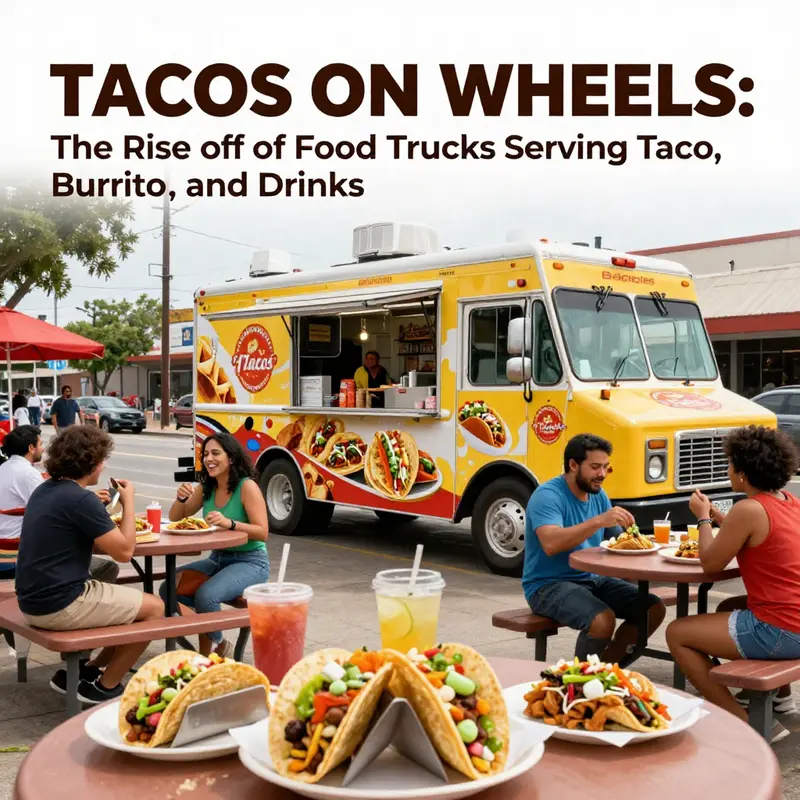
Picture this: a vibrant food truck with colorful murals, serving up delicious tacos and burritos to eager customers. Food trucks specializing in these beloved dishes have become iconic in urban landscapes, transforming the way we experience dining on the go. This article explores the operational dynamics that make taco food trucks efficient and customer-friendly, the ever-evolving consumer preferences that shape menus and services, and the economic impact on local communities. With each chapter, we will uncover the flavor-rich world of taco trucks, offering insights that can inspire both taco lovers and business-minded individuals in the food truck industry.
Rolling Through Heat and Heart: The Operational Rhythm of a Taco Burrito Drinks Food Truck
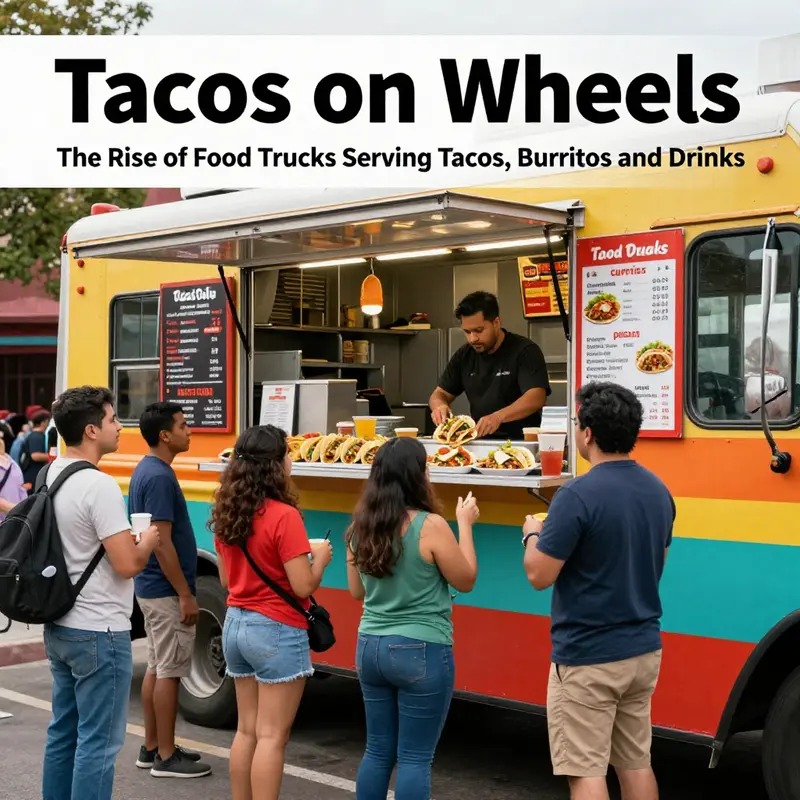
A food truck that centers on tacos, burritos, and drinks moves through a city like a rolling kitchen that has learned to dance with the daylight and the dusk. Its operations are not just a function of what is cooked and served; they are an integrated system where location, workflow, people, and perception fuse to create speed, consistency, and a moment of delight for every customer. The truck’s work begins long before it pulls onto a curb. It starts with a plan for where demand happens and when. In dense urban cores, in office corridors during lunch hours, at festivals where the crowd expects a quick and flavorful bite, and even in parks where families stroll between swings and snack stalls, the truck seeks spots where foot traffic arrives in waves. The choice of location is not random. It is a calculated equilibrium among accessibility, visibility, competition, and the cost of a coveted parking spot. This calculus is more than marketing; it is the keel that keeps daily operations steady and predictable. The operator studies human flow and weather, aligns with event calendars, and maintains a practice of arrival early enough to set up a pristine station, yet not so early that the rhythm of the day lingers in an uncertain limbo. The result is a pattern: stake the claim on a corner with a clear line of sight, a straightforward queue, and enough space for a compact team to execute a smooth sequence from mise en place to sale.
Once the truck is in position, the heart of the operation reveals itself in an arrangement of three interlocking zones: the prep station, the assembly line, and the beverage and service counter. In a compact kitchen, each zone must be lean, logical, and legible at a glance. The prep station holds proteins in portions ready to go, bowls of chopped vegetables, seasoned rice and beans, sauces with measured portions, warm tortillas wrapped in a cloth, and a cold line of toppings that can be reached without overreaching. Prepping with foresight is essential because every step the staff can eliminate in a rush translates into a smoother experience for the customer. When the ingredients are aligned and visible, the assembly line flows with a quiet confidence. A cook lays down a tortilla, a second person adds seasoned meat or roasted vegetables, a sprinkle of onions, a dash of cilantro, a spoonful of salsa, and a carefully timed hiss from the flame reminds everyone that heat must be controlled, not left to chance. The burrito then becomes a bundled promise of texture and taste, while the taco follows the same choreography with a tighter envelope of ingredients. The beverage station, often perched at the edge of the service counter, completes the triad. Cold drinks, lime wedges, and an agile bottle-and-cup system create a refreshing counterpoint to the warmth of freshly prepared tortillas and the savory core of the fillings.
The rhythm of service is a study in efficiency. Preparation is not a separate ritual from serving; it is a continuous loop. Ingredients are prepped in advance in practical batches, not in perfectionistic batches that slow down service. The cooks work with a short, clearly defined set of recipes that lend themselves to rapid assembly. When a line forms, the team executes with practiced ease: orders are called or tapped into a point-of-sale system, a ticket is visualized on the line, and the team moves in a shared tempo that minimizes unnecessary movements. The system rewards the rhythm of repetition—each repetition refines timing, reduces waste, and tightens the customer handoff. The beverages are not an afterthought but an integrated discipline. A quick, on-demand beverage service aligns with the food flow, turning a beverage order into a natural extension of the cooking line rather than a separate, disruptive task. A cold, carefully prepared drink can be as essential to the customer’s experience as a perfectly folded burrito. The operator understands the value of a balanced menu that complements speed with satisfaction, avoiding the trap of overcomplication that can slow service or confuse the crew during peak moments.
The advantages of this mobile model are tangible and persuasive. Flexibility stands at the top. A truck can pivot across neighborhoods or city events with minimal lead time, testing new markets, adjusting the menu for local tastes, and aligning operations with ambient conditions. The barrier to entry is comparatively low when contrasted with brick-and-mortar restaurants; capital costs are contained, and the ability to scale by adding more trucks or by rotating to different locations provides a practical path for entrepreneurship. Yet the limitations carve a necessary boundary around what can be achieved in a moving kitchen. The most visible constraint is space. A small footprint pushes cooks toward simpler, more repeatable recipes. Complex steams or multiple components that require long, multi-stage cooking can overwhelm a system designed for speed. Vehicle size matters too. A step van or a small trailer can accommodate more storage and more robust equipment, but it also demands careful navigation through dense urban grids and higher fuel costs. The compromises between capacity and maneuverability shape not just the menu but the daily schedule, maintenance, and mindset of the team. The truck’s design becomes a strategic asset, influencing how quickly it can restock, sanitize, and reposition itself for the next hot corner.
As the truck negotiates location, it also negotiates a relationship with its customers. Hospitality on wheels thrives when the operator embraces cultural authenticity and a sense of craft. Tacos and burritos carry cultural resonance, and customers respond to the feeling that their food is prepared with respect and care. The ordering moment becomes a theater where customers can see ingredients laid out, choose their level of heat, and shape their dish with a degree of customization that feels personal without sacrificing speed. The beverages—whether fresh lime agua fresca, agua mineral, or a citrus-forward soda—offer a refreshing complement that can turn a quick meal into a satisfying, balanced experience. In this context, branding matters as much as flavor. A well-designed truck, cohesive signage, and a friendly, well-spoken crew can elevate ordinary street food into a memorable encounter. The visual aesthetic takes on more significance in a world where customers often choose a stall as much for the character of its truck as for the taste of its food. A credible narrative rooted in ingredient quality, authentic recipes, and a clear commitment to hospitality drives loyalty and word-of-mouth referrals. The frequency of encounters with people in the community, from office workers to festival-goers and curious pedestrians, becomes a powerful channel for growth, enabling the brand to travel through social networks as well as through the streets.
To sustain this cycle, the supply chain must be robust but lean. Inventory is kept tight to reduce waste, with a just-in-time approach for perishables balanced against the risk of stockouts during busy periods. The team tracks usage patterns and adjusts orders to reflect anticipated demand. This discipline is not glamorous, but it is essential. It ensures the truck can move quickly from one location to the next with a minimal lag, and it preserves margin by keeping overheads predictable. The relationship with suppliers becomes a partner in efficiency. Consistent quality, reliable delivery times, and transparent pricing enable the operator to maintain confidence in the kitchen’s performance while remaining adaptable to last-minute changes in schedule or weather. In practice, this means setting clear expectations with suppliers, maintaining open lines of communication, and planning for contingencies—extra tortillas for a surprise festival, additional cilantro in case of a surge in demand, or reserve beverages ready for a sudden increase in heat and thirst.
The conversation around performance inevitably arrives at the topic of safety and regulation. Running a mobile kitchen is a regulated endeavor that requires attention to health codes, vehicle standards, and local permitting. The operation must honor safety practices in food handling, storage, and contact with customers. It must also respect the neighborhood’s rules about noise, waste, and parking. The operator’s compliance strategy is practical rather than punitive: keep a clean truck, maintain equipment, log temperatures, and have licenses and permits neatly organized for inspection. While the specific requirements vary by jurisdiction, the underlying principle remains the same to create a dependable, trustworthy dining option that customers feel confident in choosing. This responsibility is shared with the community that sustains the truck: neighbors, event organizers, city officials, and the vendors who supply ingredients and equipment. In turn, the truck’s reputation grows on the basis of reliability and integrity, not just flavor.
The operational narrative of a taco burrito drink truck is thus a story of balance. It balances speed with quality, flexibility with discipline, and public appetite with responsible practice. It balances the artistry of cooking with the pragmatism of a portable business. It turns a curbside space into a small but vital hub of culture and commerce. And it does so not through a single heroic moment of achievement but through a continuous, collaborative effort that manifests in hundreds of small decisions how to slice a jalapeño, when to refill a sauce bottle, where to station the beverages to minimize congestion, and how to greet a returning customer with a familiar smile and a familiar plate. For those who aspire to the mobile kitchen life, the path is not just about recipes; it is about building a system that can travel, adapt, and endure while preserving the warmth that made street food beloved in the first place. In the end, the value of this operation lies in its everyday reliability and its capacity to deliver both comfort and novelty in equal measure. When a line forms, and a freshly wrapped burrito meets the counter with a bright, citrus finish on the tongue, the social and logistical craft behind that moment becomes the quiet triumph of mobile cuisine. If you are weighing the operational fit of a truck against other formats, you may want to explore resources that break down vehicle choices and space considerations in practical terms, such as Choosing the right food truck.
For researchers and practitioners seeking to expand their understanding beyond the local workflow, the chapter’s framework invites a broader lens. It suggests that the core success factors the speed of assembly the clarity of the service path the flexibility to pivot locations and the cultural resonance of the menu are transferable to various mobile formats. The precise configuration of equipment the scale of operation and the regulatory landscape will differ, but the central tension remains constant how to convert space into a satisfying affordable and memorable meal in a way that respects both customers and the street where the meal is enjoyed. The operating ethos that guides this journey is to balance efficiency with warmth speed with quality and consistency with creativity, serving as a compass for anyone who wants to turn curbside bites into reliable, beloved ventures. For readers who wish to examine the broader regulatory framework that governs such ventures, including vehicle standards and permitting, an authoritative overview offers practical context and actionable insights: https://www.gov.uk/government/publications/understanding-food-trucks-uk-standards-properties-and-applications.
Flavor on Wheels: Reading Consumer Palates to Shape Tacos, Burritos, and Drinks in the Mobile Era
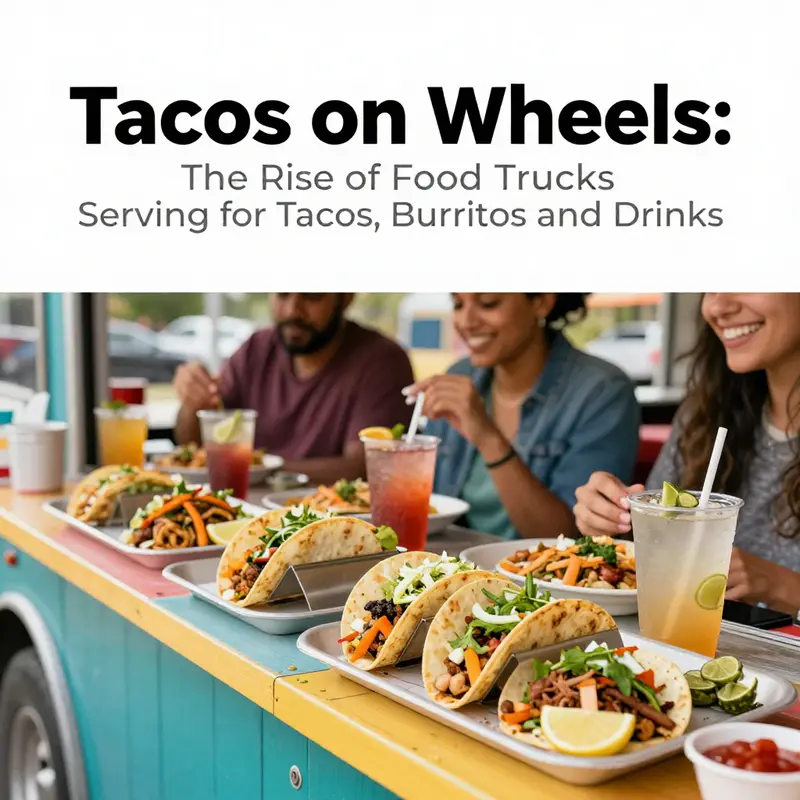
The sizzle of a grill, the scent of roasted peppers, and the quick hum of a mobile kitchen set the stage for a dining experience that travels with the street. In this moving landscape, the people who choose to eat from a truck are not merely looking for a quick bite; they are seeking a sensory story told in shells, wraps, and cups. The customer’s palate is the compass that guides menus, service rhythms, and even the tempo of the truck’s routes. A food truck that sells tacos, burritos, and drinks must be attuned to the shifting currents of preference, because every customer interaction becomes a data point about what authenticity means in a world where food is both tradition and trend. The pressure to perform fast and well becomes a canvas for cultural expression, where speed and satisfaction coexist with memory. In this sense, consumer preferences are not a static target but a living conversation between cook, location, and passerby. The best trucks learn to listen as they cook, translating listening into flavor, texture, and aroma that resonate with a broad audience while remaining true to a core identity that customers can recognize from block to block.
The core appeal of tacos and burritos on a truck is not simply the familiarity of the dishes but the opportunity to experience them in a context that feels personal and immediate. When a customer orders a taco, a burrito, and a drink in one visit, they are seeking an integrated experience that satisfies appetite and curiosity at once. This is where the data on purchasing behavior becomes a practical guide. Studies show that the notion of mutually exclusive choices between tacos and drinks is a simplification. In fact, a little more than half of customers tend to purchase both items in a single transaction. This finding underscores the value of cross-selling and bundling, but it also reveals something about the way people eat when they are mobile and time-constrained. They want a complete, satisfying moment rather than a menu that feels fragmented. The implication for operators is straightforward: design menus and prompts that pair flavors naturally, offer accessible bundles, and make it effortless for customers to add a drink without feeling like they are paying a premium for a convenience feature. The onus is on the truck to orchestrate a balanced flight of flavors that complements the main protein and the regional vibe of the day.
Regional variations, when thoughtfully deployed, become a narrative device that elevates a simple street meal into a culturally expressive journey. The industry increasingly recognizes that mobile kitchens thrive when they become portable ambassadors of regional identity. In parts of South America, for instance, buses and carts may feature regional specialties that henna the menu with a sense of place. In the Pampas region, trucks might showcase dulce de leche-inspired sweet fillings or dulce de leche complements in pastry-like turnovers alongside grilled yuca plates. In Patagonia, the emphasis might tilt toward fresh seafood, trout, and dairy-rich treats that highlight local farming and fishing traditions. These offerings illustrate how trucks serve as platforms for regional authenticity, enabling travelers and locals alike to sample a broader culinary spectrum without committing to a fixed restaurant footprint. The strategy is not to abandon the core tacos and burritos but to widen the canvas in a way that respects place and people. It is a reminder that the market for mobile food is not just about speed and efficiency; it is also about storytelling through flavor, texture, and technique.
Within this storytelling framework, cultural diversity becomes a practical asset. A truck that can adapt to different neighborhoods and events by rotating regional inspirations demonstrates agility that resonates with a diverse clientele. For example, a high-traffic business district may draw on robust, savory flavors with bold textures, while an art festival or college campus might reward lighter, brighter profiles and plant-based options that align with younger consumers’ values. In this sense, geographical variability is not a risk but an opportunity to curate a living menu that responds to the moment. The availability of ingredients will always shape what can be offered in a given location, but the underlying philosophy remains constant: people come for a taste of place, they stay for a sense of care, and they return when the experience feels unique and reliable at the same time. The truck’s narrative becomes a flexible thread that weaves through neighborhoods, markets, and seasons, inviting customers to participate in a shared sense of discovery rather than simply to consume.
Health consciousness and sustainable eating have moved from niche concerns to mainstream expectations. The rise of plant-based proteins, fresh fruit smoothies, cold-pressed juices, and nutrient-dense bowls has expanded the menu language for mobile kitchens. Customers increasingly seek meals that deliver both flavor and wellness, even when speed is essential. In practice, this means incorporating versatile options such as quinoa and lentil bowls, crisp green salads featuring locally sourced vegetables, and vegan empanadas or wraps that satisfy without sacrificing texture or depth. A well-designed health-forward offering on a taco burrito truck is not a penalty box for flavor; it is a refined palette that demonstrates care for personal health and environmental impact. The packaging and waste streams also come under scrutiny. Consumers want recyclable or compostable containers, and they want to know that the operation is minimizing plastic use and optimizing energy efficiency. The truck becomes a moving exhibit of sustainability, where the choice of ingredients, the preparation method, and the end-of-life story for packaging all contribute to a consumer’s perception of value and ethics. In this context, sustainability is not a constraint but a differentiator that aligns with broader social values and reinforces trust with customers who want to see consistency across food quality, sourcing transparency, and responsible waste management.
The menu architecture itself speaks to consumer psychology. A well-structured truck menu uses color, texture, and mouthfeel to guide choices without overwhelming. A single plate can offer a spectrum of sensations—crisp, creamy, tangy, smoky—that echo the color palette of the ingredients and the warmth of the cooking method. Cross-cultural influences quietly filter into this design as cooks borrow and blend techniques from multiple culinary traditions, staying anchored in the familiarity of a taco shell or a burrito wrap. The drink program becomes equally important, acting as a counterpoint or a companion that enhances the savory core. A bright citrus beverage can cut through fat, while a smoky soda or herbaceous tea can echo grilled notes and spice blends. The pairing logic is not a rigid science but a conversation about balance: sweetness against heat, acidity against fat, and freshness against richness. The goal is a cohesive meal experience where the drink is not an afterthought but an integral element that elevates the overall impression of the truck.
From a marketing perspective, the mobile kitchen thrives on a combination of authenticity, storytelling, and community engagement. Social media has made it possible to capture the moment when a customer discovers the precise balance of heat and brightness that makes a burrito sing, or when a vendor reveals a regional twist that makes a simple taco feel newly familiar. The power of storytelling lies in the ability to translate a flavor profile into a narrative about origin, method, and care. A customer who learns about a truck’s use of locally sourced vegetables or a family recipe for a particular salsa is not merely purchasing a meal; they are buying into a story about relationships, place, and craft. This storytelling is reinforced by simple visual cues—the color of the salsa, the steam from the grill, the gleam of fresh herbs—that travel beyond taste to create a lasting impression. A successful operator understands that a strong story can accelerate word-of-mouth referrals and turn casual passersby into repeat customers who feel a personal connection to the truck’s mission.
In light of these dynamics, it is essential to view the business as an integrated system rather than a sequence of separate choices. The truck must manage food quality, speed of service, price sensitivity, and marketing coherence in a way that feels seamless to the customer. The speed of execution is inseparable from the quality and consistency of the product. A customer who experiences a swiftly delivered burrito that holds together without falling apart, a taco that maintains its structural integrity after transport, and a drink that arrives perfectly chilled is more likely to form a sense of reliability. That reliability translates into trust, and trust lowers perceived risk for trying new items or seasonal specials. When a truck can consistently deliver a memorable, dependable experience, it creates a platform for field testing new ideas. Seasonal toppings or limited-time regional twists become opportunities to measure response without risking the core brand. The value of this approach is twofold: it preserves the essence of the truck while inviting customers to participate in a dynamic culinary journey.
In practice, the purchasing environment plays a critical role in shaping preference. The physical setup of the truck, its exterior design, and the choreography of the line all feed into the perception of value. A clean, well-organized service window communicates professionalism and care, signaling to customers that what happens inside the kitchen mirrors the quality that they see outside. The way staff engage with customers—clear recommendations, friendly tone, and concise explanations of ingredients—can tilt a casual encounter into a confident choice. The cross-selling opportunity is most effective when it feels natural, not manipulative. For example, suggesting a complementary salsa with a burrito, or proposing a refreshing drink that balances heat, can feel like a thoughtful extension of the customer’s flavor exploration.
Looking ahead, the future of food trucks selling tacos burritos and drinks will hinge on the willingness to adapt while preserving the core sensibility that draws people to the street. Consumers will continue to prize authenticity, but authenticity will be defined less by rigid rules and more by the ability to connect with neighbors, musicians, families, students, and commuters through flavors that feel earned. Healthful options and sustainable practices will become standard expectations, not optional add-ons. The most successful trucks will combine regional storytelling with flexible menus that honor local supply dynamics and the preferences of the immediate audience. They will deploy data-informed practices without sacrificing craft, using simple metrics to guide menu adjustments, pricing decisions, and promotional tactics that respect the rhythms of the street. The storyline of the truck will be less about a fixed menu and more about a living map of flavors—one that grows with the community and travels through time as it encounters new cultures, ingredients, and conversations.
For operators seeking practical inspiration beyond the kitchen floor, the community of fellow truckers and food entrepreneurs is a valuable resource. Sharing experiences about what works in different neighborhoods, what resonates with specific age groups, and how to balance novel ideas with core staples helps everyone refine their approach. This is the kind of knowledge that travels faster than any truck and often travels farther than the most ambitious promotional campaign. It is in this spirit of shared craft that a truck’s menu becomes more than a list of items; it becomes a living catalog of relationships—between cooks and customers, between regional tastes and evolving food culture, and between the speed of service and the depth of flavor that lingers in memory long after the last bite.
In the end, consumer preferences for food trucks selling tacos, burritos, and drinks are a reflection of modern eating on the go: a blend of tradition and innovation, speed and soul, comfort and curiosity. The trucks that endure are the ones that listen first, then cook with intention. They recognize that a meal in motion is a moment of connection, a chance to celebrate regional identity while inviting new ideas to simmer. They design experiences that feel personal, not impersonal, and they price those experiences in a way that acknowledges the value of time, quality, and storytelling. The result is not only a popular food option but a reliable form of hospitality on wheels, where every order carries a story and every bite reinforces a sense of belonging to a shared street cuisine that travels with the city as it evolves.
If you want to dive deeper into how community and storytelling shape a truck’s menu, explore the ongoing conversations in the Fireduptacotruck community where practitioners discuss menu development, consumer engagement, and practical maintenance considerations for mobile dining. the Fireduptacotruck blog.
External reference for broader market context: for a wider industry view on how consumer preferences are evolving in the mobile food sector, see the article on market trends and consumer preferences in a recent industry report. Food Truck Market Trends and Consumer Preferences.
Rolling Revenue on Wheels: The Economic Ripple of Taco, Burrito, and Drink Food Trucks
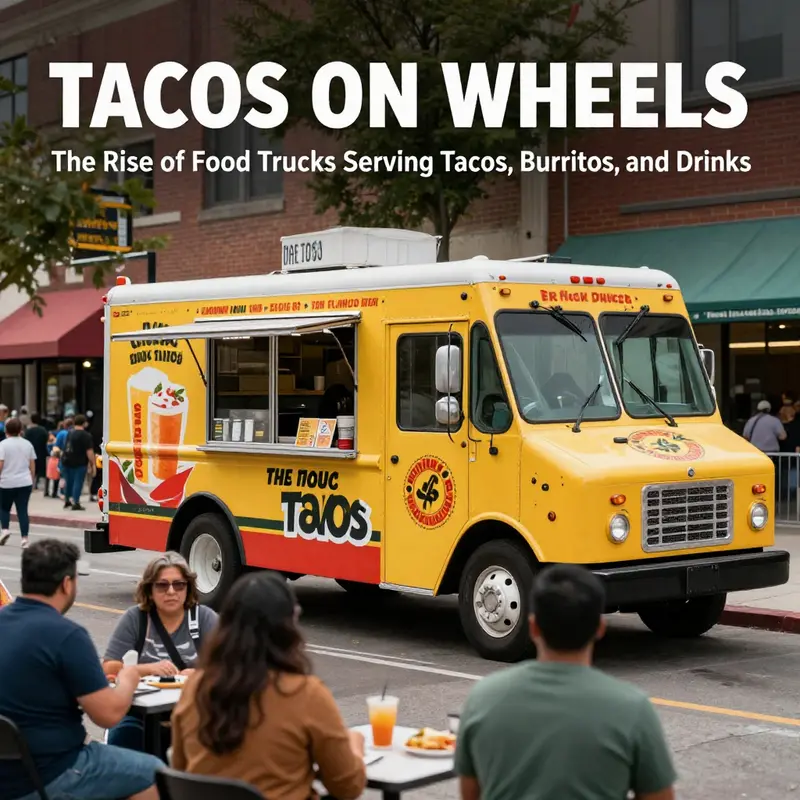
Rolling revenue on wheels has become more than a catchy slogan for a street-level business model. It represents a microcosm of modern urban economies, where mobile kitchens transform public spaces into dynamic marketplaces and ordinary sidewalks into engines of local wealth. A food truck that specializes in tacos, burritos, and drinks is not merely a point of sale; it is a small but persistent economic system that intersects labor, procurement, hospitality, and urban culture. When we look closely at the economic impact of these fleets of compact, efficient vendors, we see a story of job creation, local sourcing, and adaptive entrepreneurship that aligns with broader shifts in how communities eat, gather, and spend.
In many cities, the sight of a taco and burrito truck elongating its line during a lunch rush signals more than a quick meal. It signals a deliberate, scalable business model designed for speed and repeatability. The core of this model rests on a lean overhead paired with high turnover. A single truck often employs a small team—cooks, cashiers, and a driver—whose wages circulate within the local economy as they spend their earnings in nearby shops, markets, and services. The immediate payroll impact is complemented by steady procurement from regional suppliers: flour for tortillas, fresh produce, meats or plant-based proteins, spices, beverages, cups, napkins, and bidirectional waste streams that must be managed with discipline. As these dollars move from operators to farmers, distributors, and retailers, a chain reaction unfolds that strengthens the surrounding commercial ecosystem. The scale may be modest, but the velocity is high. And because the truck can relocate to align with crowd patterns, seasonal calendars, and event schedules, the same business can contribute income across a wider swath of the urban landscape rather than concentrating revenue in a single brick-and-mortar location.
Direct employment is only the first layer of impact. A typical taco-burrito-drink operation creates roles that range from kitchen staff and order-takers to shift managers and event coordinators. Many operators embrace flexible work arrangements, which means opportunities exist for students, part-time workers, and seasonal staff to participate in a robust economic cycle. The economic value of these roles extends beyond wages. Training opportunities build a set of portable skills—food safety, customer service, time management, inventory control, and basic maintenance—that employees can carry into other jobs within the hospitality and service sectors. When individuals gain these competencies, the ripple effects multiply as locals move up into more responsible positions or spin out to launch new ventures themselves. In this sense, each truck functions as a small node of entrepreneurship that can seed broader business activity by increasing human capital in the neighborhood.
The engagement between trucks and local suppliers deserves particular attention. Because trucks often rely on fresh, regional ingredients, they anchor demand in local agricultural and wholesale markets. A steady stream of orders for produce, meat, dairy, and beverages sustains farmers and processors, which, in turn, shores up local employment in farming, distribution, and packaging. The proximity of suppliers and the speed with which ingredients can move from farm to truck to customer reduces transit times and spoilage, improving overall efficiency and lowering waste—an economic benefit that matters to both operator margins and environmental stewardship. The relationships built in these supply chains are seldom isolated transactions. They tend to involve ongoing collaboration, quality checks, and seasonal planning, which encourages resilience in both suppliers and the truck operators who depend on them. The net effect is a localized supply ecosystem that supports more predictable revenue streams for farmers and wholesalers, while enabling trucks to offer fresher options at predictable prices.
When a taco truck parks near a business district or a stadium, its economic footprint expands into the lunchtime crowd, the after-work pulse, and the weekend festival economy. Consumers in these settings are typically more price-sensitive than the casual diner, making affordability and value critical. The dynamic here is not simply about lowering prices to attract more customers; it is about delivering value through portion sizes, flavor familiarity, speed of service, and consistency. The rapid turnover associated with food trucks means high daily output, which translates into significant daily cash flow that can support timely payroll, maintenance, and inventory replenishment. This rhythm is especially pronounced during peak hours and special events when festival-goers, office workers, and tourists converge in large numbers. In those moments, a truck becomes a nucleus for street-level commerce, often drawing in nearby vendors and retailers who benefit from the foot traffic. The resulting multiplier effect can be subtle but measurable: more customers for adjacent food stalls, more footfall for nearby shops, and an enhanced sense of place that makes the area more attractive to visitors and residents alike.
Beyond the immediate neighborhood, the global market context for food trucks reinforces the economic narrative. Industry data point to a steady expansion of the mobile food sector, with a global market growth rate in the vicinity of 6.3 percent annually. That trajectory reflects enduring consumer appetite for convenient, flavorful, and affordable meals. In the taco-burrito niche, this demand translates into greater revenue potential across a broad cross-section of demographics—from expatriates seeking familiar flavors to young professionals who value speed and consistency during workdays and social calendars that extend into evenings and weekends. The diversity within the customer base strengthens revenue resilience: trucks that diversify their offerings, adapt their pricing to local conditions, and maintain reliable service can ride seasonal waves with relative ease. This adaptability is a core strength, allowing operators to adjust to shifts in consumer preference, whether driven by weather, cultural celebrations, or emerging trends in casual dining.
Startup flexibility is another critical economic asset. Compared with traditional restaurants, mobile operations typically require lower initial capital and fewer fixed assets. The absence of a permanent storefront reduces rental commitments and enables more rapid experimentation with concepts, locations, and menus. A single truck can be deployed in multiple neighborhoods across a city, or even across adjacent cities, depending on demand and regulatory flexibility. This mobility makes it possible for entrepreneurs to test markets with minimal risk, learn from real-time feedback, and recalibrate quickly. The lean setup is not merely about cost containment; it is also a form of strategic risk management. By observing where demand concentrates and how crowds respond to different menu items, operators can refine their models without incurring the heavy penalties that fixed-location restaurants might face when misreading the market. In essence, the mobile format acts as a living business laboratory where small investments yield data-driven insights about consumer wants, price tolerance, and the practicalities of supply chain logistics.
The economic influence of taco and burrito trucks extends into the cultural and social fabric of urban life. Food markets, plazas, and event grounds where these trucks gather become hubs of interaction. The presence of a mobile vendor—known for familiar, hearty fare—can encourage more foot traffic in areas that might otherwise suffer from underutilization. This vibrancy matters because it changes how people experience public space; it invites spontaneous socializing, creates shared memories around meals, and softens the edges of urban density. In neighborhoods with a growing small-business scene, trucks can act as allies to other local ventures by cross-promoting events, sharing promotional opportunities, and participating in joint marketing initiatives. Think of a farmers’ market where a taco truck’s presence helps attract a broader crowd to nearby stalls, thereby extending the market’s reach and sustaining the week’s attendance patterns. The synergies are not incidental; they reflect a broader pattern in which food trucks serve as essential components of a diversified, multifaceted urban economy.
Of course, no economic portrait is complete without acknowledging the risks and frictions that shape profitability. Competitive intensity is high in many markets, with fast-food chains, sit-down eateries, and other food trucks all contending for the same crowds. Price sensitivity can compress margins, especially in districts saturated with choices and where labor costs are increasing. Public perception about nutrition and value continues to influence demand, underscoring the necessity for operators to balance portion size with ingredient quality and perceived healthfulness. Operational realities—reliable access to water and power, clean and well-maintained vehicles, vehicle maintenance, and regulatory compliance—impose ongoing costs that operators must manage with vigilance. Seasonal fluctuations, weather patterns, and event calendars add another layer of complexity, requiring careful forecasting and flexible scheduling. In this space, the most successful operators are not merely those who cook well; they are the ones who design a repeatable, scalable model that can withstand price shifts, regulatory changes, and evolving consumer expectations. A robust business plan couples culinary consistency with disciplined financial management, a clear understanding of local demand, and strong relationships with suppliers and event organizers. For operators who want to optimize the financial side, a careful look at cost structure and tax planning becomes essential. In particular, awareness of available deductions and incentives can improve cash flow and reinvestment potential—the kind of leverage that small ventures need to survive and grow. For operators looking to manage startup costs and ongoing expenses, consider tax deductions for food truck owners.
Looking toward the future, many drivers of growth remain within reach. The ongoing shift toward sustainable practices—more efficient kitchens, reduced waste, and the adoption of energy-efficient equipment—can lower operating costs over time and strengthen a truck’s value proposition to increasingly conscientious consumers. Digital tools further magnify impact by enabling better demand forecasting, online ordering, and loyalty programs. The ability to collect data on purchasing patterns, peak times, and popular combinations informs both menu design and staffing decisions. When operators align their menus with local tastes while preserving a recognizable core of beloved items, they create a hybrid offer that satisfies both the familiar and the adventurous. This balance is vital for maintaining a steady cash flow across diverse customer segments, from students looking for quick, inexpensive meals to office workers seeking reliable lunch options and festival attendees seeking comforting staples amid a busy schedule. The result is a business identity that can travel with the operator—still rooted in savory classics, but adaptable enough to reflect the culinary currents of a given moment.
The economic footprint of these mobile kitchens also intersects with urban policy and city planning. When city officials design street layouts, market permits, and event permissions, they influence where and how trucks operate. Clear, predictable licensing, safe-wash facilities, and accessible water and power connections support a healthier, more efficient marketplace. In cities that embrace the mobile dining ecosystem, policy frameworks that streamline permitting and reduce bureaucratic friction can accelerate startup activity, expand job opportunities, and encourage more diverse culinary offerings. Conversely, overregulation or inconsistent enforcement can slow growth, push operators into gray-market arrangements, or reduce the quality and safety of the customer experience. The interplay between policy and practice matters because it shapes the long-run viability of mobile food entrepreneurship as a meaningful contributor to local economies.
At the end of the day, the economic impact of a food truck business selling tacos, burritos, and drinks is best understood as an integrated system rather than a set of isolated outcomes. It is a system in which labor, procurement, consumer spending, and place-making reinforce one another. It is a system that thrives on mobility, adaptability, and community engagement. And it is a system that, when working well, can offer a pathway for aspiring entrepreneurs to enter the market with modest capital, learn quickly through hands-on experience, and contribute to the broader vitality of the urban economy. In that sense, these trucks do more than deliver meals; they deliver a practical model for localized growth, a living example of how small enterprises can drive larger economic and social benefits across neighborhoods and cities. As they roll through streets and events, they leave behind not only satisfied customers but a series of stronger supplier relationships, more robust local businesses, and a more vibrant public life that benefits everyone who shops, works, and gathers there. For the readers who want to explore the broader operational and economic dimensions of food trucks, a deeper dive into technical standards and practical applications can provide additional context on how these mobile units sustain performance under diverse conditions. For a broader perspective on the technical and practical aspects of modern mobile eateries, see the technical overview at https://www.foodtrucks.com/technical-overview.
Final thoughts
As the food truck revolution continues to roll through streets worldwide, taco trucks stand out not only for their delicious offerings but also for their resilience and adaptability. They bridge the gap between fast food and gourmet dining, attracting a wide array of customers. By understanding the operational practices that keep them efficient, the consumer trends that fuel innovation, and the economic benefits they provide, taco enthusiasts and aspiring food truck entrepreneurs can find inspiration to fuel their own journeys. Whether you’re craving those zesty flavors or looking to launch your own mobile food business, the world of taco trucks is brimming with opportunity and deliciousness.