
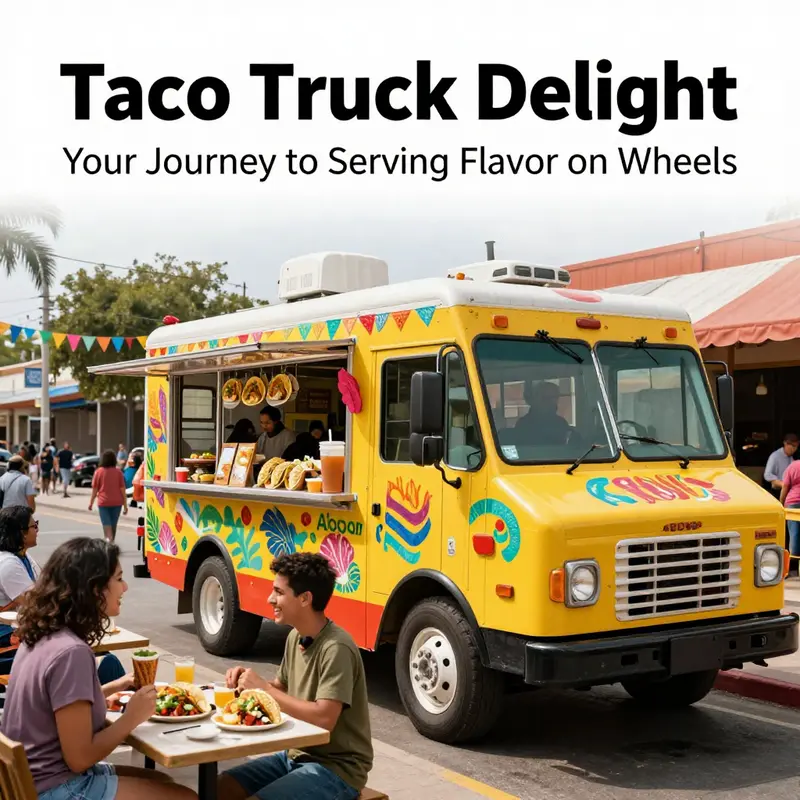
Embarking on the adventure of launching a taco truck is no small feat—it’s a flavorful journey filled with complexity, creativity, and mouthwatering possibilities. With tacos reigning supreme as one of the world’s most beloved street foods, starting your very own taco truck could be the key to sharing your culinary secrets while celebrating this iconic dish. From crafting a solid business plan to selecting an ideal location bustling with taco enthusiasts, each step is integral to your success. This guide offers a comprehensive look at all aspects of starting a taco truck, focusing on essentials like obtaining licenses, designing your truck, and sourcing quality ingredients—all aimed at helping you serve up delectable tacos on the go. Ready to dive in and bring taco dreams to life? Let’s get started!
Blueprint on Wheels: Crafting a Winning Business Plan for Your Taco Truck
A taco truck is more than a kitchen on wheels; it is a small, disciplined business that earns its keep through clarity, discipline, and the ability to adapt on the fly. The business plan you create before signing a single lease or ordering a single stove is the compass that keeps you moving in the right direction. It starts with a vision, but it ends in numbers you can defend to lenders, landlords, and customers who expect consistency. A well-crafted plan doesn’t merely describe what you’ll cook; it maps out how you’ll reach the people who will crave those flavors, how you’ll keep them coming back, and how you’ll keep the lights on when the weather changes, festivals fill the streets, or a new competitor parks nearby. In the end, the plan becomes the living document that guides decisions from menu design to location scouting, from ingredient sourcing to the way you measure success. The first breath of that plan should be a rigorous market reality check. You need to understand your local competition, the demographics you intend to serve, and the tastes that already resonate in your hood. This is where market research becomes more than a checkbox; it is the backbone of pricing, pacing, and menu design. Look at what neighboring taco trucks offer and note the items that move. If you observe a common thread in your area—perhaps a six-item taco lineup that consistently sells out by late afternoon—that insight isn’t merely anecdotal. It’s a signal that your own menu might thrive by balancing simplicity with standout flavor. Industry observations describe the Mexican-style taco truck as a true traffic driver, thanks to fast service and broad appeal. The logic is simple: a standardized set of offerings allows for quick meal prep, often under three minutes, so turnover stays high even on busy days. Your plan should translate those findings into concrete targets: the number of meals you expect to serve per hour, the peak times you’ll target, and the price points that cover costs while remaining attractive to locals. The financial section of your plan is not just a ledger; it is a forecast that influences every other decision you make. A mobile business has the advantage of lower overhead compared with a traditional restaurant, particularly when it comes to rent, which can be a fraction of the cost and tied more directly to revenue. In many scenarios, rent represents roughly five to eight percent of revenue, a ceiling far lower than the rent load carried by brick-and-mortar operators. That gap matters because it expands your gross margins, which frequently range from the mid-70s to the high-70s as long as you control waste and keep prep streamlined. When you couple those margins with careful inventory management, a taco truck can reach a break-even point within six to nine months if your plan accurately captures expenses and revenue streams. The numbers tell a story: an initial investment typically falls in the thirty- to eighty-thousand-dollar zone, depending on whether you buy a used unit, modify a chassis, or spec a new build. This range covers the vehicle, essential kitchen equipment, permits, insurance, and initial inventory. It also anchors your pricing strategy. If your plan demonstrates a clear path to profitable turnover—through swift service, consistent portions, and predictable waste—lenders and partners will see more than a gimmick; they will see a viable route to cash flow. The plan also extends to the practical, day-to-day operations that keep a truck running and customers satisfied. Sourcing becomes a cornerstone, not an afterthought. Your plan should specify relationships with local farms, meat suppliers, and produce vendors who can deliver consistently, week in and week out. It should emphasize sustainability and ethics as part of your brand narrative. These choices matter beyond the kitchen; they shape your story and connect you with the communities you serve. The equipment you choose is not merely about having a stove; it is about safety, reliability, and longevity. Your plan should describe the layout that maximizes workflow, minimizes cross-contamination risks, and keeps the service window efficient. It should specify materials that resist corrosion and are easy to clean, and it should insist on suppliers who can provide verifiable specifications, such as corrosion-resistant stainless steel and compliance with applicable safety standards. In formulating the narrative of your truck, don’t overlook the importance of branding from the start. The plan should outline how you will present your truck visually—colors, typography, and imagery that reinforce your concept, whether it evokes a regional heritage like Baja or Oaxaca or communicates a modern, fusion vibe. The plan must also address compliance and licensing upfront. The checklist of permits and licenses—business license, health department approvals, mobile vendor permits, and any alcohol licenses if you plan to offer drinks—will influence your location options and schedule. Your plan should recognize that different jurisdictions carry different costs, and it should build in a buffer for permits and insurance to avoid cash-flow hiccups later on. Market strategy in your plan should emphasize the digital heartbeat of a modern food business. Social media becomes a primary tool for storytelling, showing the progress of each day’s prep, the sourcing of ingredients, and the moments when your truck becomes a hub in a park or plaza. A well-integrated plan incorporates a data-driven approach to operations: a digital point-of-sale system that records sales in real time, identifies peak hours, and flags high-demand items so you can adjust your inventory and prep rhythm accordingly. The value of this approach is not hypothetical. A case study from a food-truck operation in Texas shows how disciplined waste analysis translated into significant profit gains. By reviewing weekly sales patterns and trimming orders that weren’t moving, the operation reduced ingredient waste from eighteen percent to seven percent, resulting in approximately two thousand three hundred dollars of extra profit each month. The lesson is to set targets and measure them. Your plan should include a simple framework for learning from data, not just a budget. Location strategy is a crucial thread that ties market research to day-to-day execution. A well-researched plan maps out where you will park and how you will adapt to events, schools, business districts, or festival grounds. The best locations are the ones with predictable foot traffic and a cadence that suits your menu. A compelling example of the scale of opportunity lies in scenes where food trucks shine. A single festival or a weekly market can become a revenue anchor if you plan the logistics around it, ensuring you have enough staff, cold storage space, and portable power to maintain consistency across multiple events. The plan should also anticipate the constraints of a mobile business. You will need to decide how many hands you require, whether you will operate solo or with a small crew, and how you will maintain a steady, safe, and clean operation while you drive between sites. The capability to multitask—cooking, serving, and processing payments—should be baked into your staffing plan and reflected in your training program. Training is not a one-off task; it is a core element of long-term quality. A good plan includes a clear training philosophy, especially if you intend to bring on staff who must learn food safety, customer service, and the nuances of your specific menu. A simple, repeatable service routine helps maintain consistency across shifts and locations. It also helps you scale later by ensuring that new hires can quickly absorb your standards. As you craft the plan, you should think about the menu itself as a reflection of your concept and a lever for differentiation. A focused menu with a handful of signature tacos, designed to be produced quickly and consistently, makes every shift more predictable. The under-three-minute prep standard is not merely a performance target; it is a design principle that informs equipment choice, layout, and supplier relationships. The plan should include a path to growth that remains tethered to the core concept. It should address how you will scale your kitchen footprint, whether through a second truck, route diversification, or seasonal pivots that keep the business fresh without overextending your resources. The best plans aren’t static documents; they are living roadmaps, revisited and revised in response to new data, changing laws, and evolving customer preferences. When you present your plan to potential lenders or partners, you want to demonstrate how every element reinforces a coherent narrative: you know your market, you can deliver a reliable product, your operations are efficient, and the math supports sustainable profitability. To help you with alignment and decision-making, you can reference a resource that emphasizes the mechanics of planning for a food-truck venture and translating ideas into a buildable plan. For a practical, in-depth view on this topic, consider exploring the guidance related to choosing the right food truck for your concept: Choosing the right food truck. The path from concept to road-ready reality is navigable when you anchor your choices in data, guardrails, and a clear path to profitability. Finally, to ground all this in established practice, consult the official framework for writing a business plan. The U.S. Small Business Administration offers a comprehensive guide that walks you through market analysis, forecasting, and the alignment of your plan with lender expectations, helping you turn a great idea into a disciplined startup. For a detailed, official framework, see https://www.sba.gov/business-guide/plan-your-business/write-your-business-plan.
Strategic Ground: Choosing the Right Location for Your Taco Truck
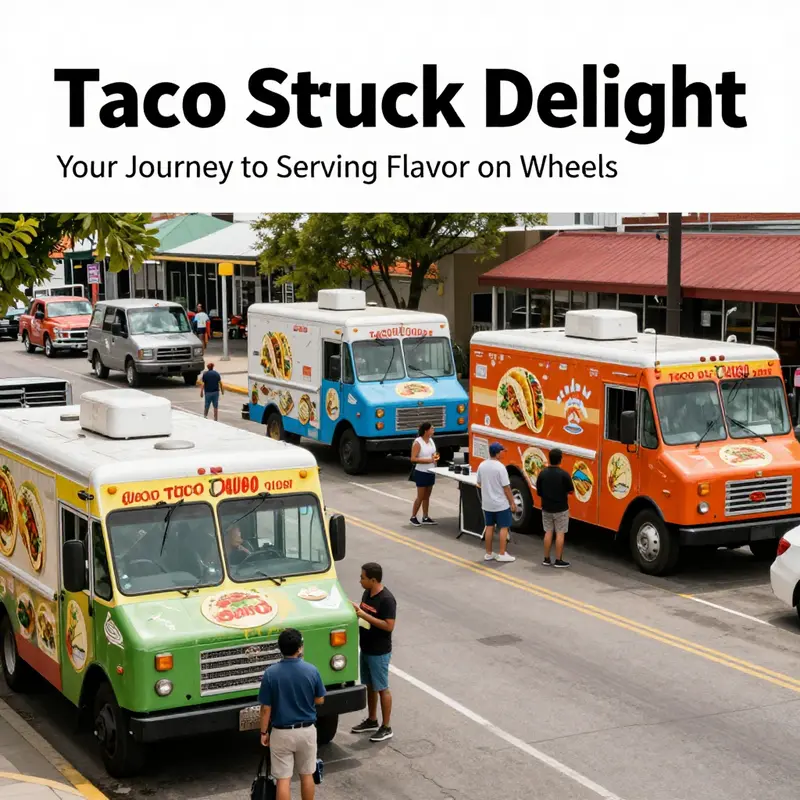
Location is more than a pin on a map when you start a taco truck. It is the stage where your menu, your branding, and your service style perform. A smart choice can turn an ordinary day into a steady stream of curious customers, repeat visitors, and word-of-mouth buzz that travels farther than any single post. A flawed choice, even with a killer recipe, can sap energy and cash before you’ve even found your rhythm. The arc of your success often follows the rhythm of your footprint, and that rhythm is set by the spots you pick and the way you interact with them. To think about location in purely logistical terms is to miss a powerful lever. A well-chosen spot amplifies your concept and makes every other decision easier—your hours, your menu, your pricing, and the way you tell your story in the neighborhood.
Choosing your location begins with a careful reading of the rules that govern where a mobile kitchen can stand and operate. Local regulations and zoning laws are not mere formalities; they shape what you can try and when you can try it. In some cities, mobile vendors have designated zones or windows of operation, and you may encounter restrictions near schools, hospitals, or existing sit-down restaurants. Permit requirements can vary as widely as the weather in a meteorologist’s forecast, with differences in health approvals, mobile vendor permits, and even the need for a specific license if you plan to serve alcoholic beverages. The prudent path is to map out the regulatory landscape before you map out your route. If you’re in a large, regulated market like many urban centers, it’s not unusual to see higher permit fees or additional compliance steps; these costs must be weighed against the potential revenue and the brand’s mission. The practical payoff is clarity: you reduce the risk of last-minute changes that derail a week’s worth of planning.
Beyond the rule book, the day-to-day math of location sticks to a few core magnets. High-traffic areas are the obvious target, but not in a vacuum. A successful taco truck needs to be where people move, pause, and decide to eat. Office districts during lunch hours provide a predictable cadence: a steady stream of people looking for a quick, tasty option between meetings. Parks and outdoor spaces surge on weekends when families and friends linger longer and order in quantities that encourage sharing. Festivals, farmers’ markets, and local events create temporary motherships for multiple trucks, drawing in crowds who are already primed to explore a few bites from different vendors. The trick is to anticipate the rhythm of the area and align your presence with the peak moments your target customers expect. To that end, you’ll want to study foot traffic patterns, not just the volume of people, but when they are most hungry, most social, and most likely to choose your stand over a nearby option.
Visibility and accessibility are the twin pillars that keep customers coming back. A truck should sit where it catches the eye of passersby from a main road or a busy sidewalk. It should be easy to spot even on a casual glance, with signage that communicates what makes your tacos worth a stop. Obstructions – trees, large signs, or parked vehicles – can dull your curb appeal and slow the ordering process. An open, welcoming queue area matters just as much as the cooking line. You want customers to feel safe approaching, to be able to place an order without feeling boxed in, and to move away from the truck without a bottleneck forming behind them. A strategic view is not just about aesthetics; it’s about the flow of people and the speed with which you can turn a passerby into a paying guest.
Competitors are part of the landscape you must read, not ignore. A cluster of nearby trucks can be a magnet that magnetizes crowds, especially if you offer a distinctive twist that complements the vibe of the area. In some cases, crowd drawing power isn’t about proximity to rivals but proximity to complementing businesses – think a cluster near a concert venue or a sports complex where your tacos can be the pre- or post-event meal. The key is to analyze demand without chasing saturation into a disadvantage. Use available tools—maps, review sites, and social chatter—to gauge not just how many trucks operate nearby, but how customers talk about them, what they crave, and how they respond to the timing of offerings. If the market feels crowded, you need a differentiator—perhaps a regional style, a vegetarian or vegan option, or a signature topping that makes your truck instantly recognizable. A strong concept coupled with a well-chosen stage helps you stand out without shouting over the crowd.
Partnerships and recurring gigs can turn a single good location into a reliable income stream. Businesses that want to enrich their lunch options, venues that host weekly events, and organizers of farmers markets or fairs often welcome food trucks as part of their ecosystem. Securing a recurring slot with a nearby office park or a weekly event can provide predictable cash flow and reduce the angst of chasing every pop-up opportunity. These collaborations are also fertile ground for brand-building. When a location becomes known as a taco stop of choice, the surrounding community starts to coordinate around your schedule, bringing in a loyal cohort of regulars who know to expect you at a given time. The relationship-building work—communication, reliability, and consistent quality—helps to convert opportunistic visits into ritual visits.
Of course, the infrastructure of a potential site matters as much as the audience you’re courting. You’ll need reliable access to water for cleaning, waste disposal for keeping the footprint tidy, and, in some cases, electricity for refrigeration or certain cooking appliances. Some cities maintain designated parking zones for food trucks that provide basic utilities, which can simplify compliance and logistics. If a location lacks these amenities, you’ll need a plan that includes portable solutions and an honest calculation of the costs and logistics involved. In the planning phase, a quick site survey can save days of back-and-forth and prevent expensive missteps. You’ll come away with a sense of whether the area is workable, whether you can operate there without undue risk, and how long the permit and setup processes might take.
Testing a location before committing long-term is a practice that separates cautious startup from confident scale. A trial run—perhaps a few days or a short week in a promising area—lets you observe actual customer flow, verify that the timing aligns with your kitchen’s pace, and measure whether your menu appeals to the palate and the appetite of that specific audience. Real-world data won’t always align with what you anticipate from reading maps or speaking with organizers, so the trial becomes a crucial reality check. During this phase, track sales by time of day, assess queue times, and collect feedback on everything from portion size to perceived value. If the numbers don’t pencil out, adjust quickly—perhaps shift hours to match lunch peaks, refine your menu for local tastes, or pick a nearby alternative with less competition.
All these considerations—the regulatory backdrop, the rhythm of foot traffic, the visibility of your truck, the nature of nearby competitors, and the opportunity to partner with events or businesses—must harmonize with your brand story and your menu concept. A location that fits your concept can multiply the effect of your marketing and price strategy, because your customers feel a coherent message from sign to bite. In practice, this means selecting a spot that reinforces what you’re trying to convey about your food—whether it’s bold regional flavors, fast and affordable options for a quick lunch, or a sophisticated mini tasting that invites curiosity. The alignment isn’t happenstance; it’s deliberate positioning within the landscape you’re choosing to enter. And as you weave this strand into your broader business plan, you’ll find that the right spot does more than generate sales; it amplifies your identity and builds credibility in a crowded market.
For readers revisiting the practical framework behind this approach, the concept of selecting the right vehicle for your venture is explored in depth in a guide focused on choosing the right food truck. It offers a complementary perspective on balancing mobility, branding, and compliance as you test and settle on locations. This is part of a broader line of thinking that treats the truck as a mobile storefront—one that travels toward opportunity while delivering a consistent, memorable experience to customers.
Ultimately, your location strategy should be a living part of your business plan. It will evolve with your growth, with shifts in consumer demand, and with the changing economic landscape of your city. It requires ongoing attention: monitoring permit changes, staying tuned to evolving foot traffic patterns, and maintaining open lines of communication with event organizers and property partners. The most successful taco trucks do not stake a claim on one perfect corner and stay put; they build a flexible network of spots, each chosen with the same careful criteria. They test, they learn, and they adapt—holding fast to a simple premise: the right location makes it possible for great food, warm service, and a compelling brand to meet the people who want exactly what you’re serving, exactly where they want it.
As you chart your path, keep a steady eye on the fundamentals: regulations and permits, traffic flow and visibility, competitive context, partner opportunities, and infrastructure readiness. Tie these elements to the soul of your concept, and your taco truck will not merely pass through neighborhoods; it will become a welcomed part of the local routine. For more on the decision framework that guides you toward the right vehicle and the right approach, you can explore further guidance on choosing the right food truck. Choosing the right food truck is a supportive reference, and local authorities provide official guidelines to help you understand permitted zones, permit requirements, and safety standards. See the municipal resources on mobile food facilities for your area to ensure you’re aligned with the rules that govern where and how you can park and serve. This is part of the broader guidelines provided by city agencies.
In the end, location is not a one-time decision but a strategic practice that grows with your business. The work you invest in understanding regulations, evaluating traffic patterns, and building partnerships will pay off as footfalls become steady and your brand gains recognition. This is how a taco truck moves from a culinary curiosity to a reliable, beloved fixture in the local food scene. The stage you choose—carefully, boldly, and strategically—becomes the launchpad for every other facet of your operation, from menu engineering to marketing to the customer experience. Your truck will carry your story, but its location will tell that story to the people who matter most: the diners who crave what you cook and the communities that want to welcome you as part of their daily life.
External resource reference: https://www.lacity.org/department/building-and-safety/mobile-food-facilities
Permits as Passports: Securing the Licenses to Launch Your Taco Truck
Securing a taco truck is rarely just about a clever menu or a flashy wrap. It rests on a passport-like set of permissions that verify you can cook, serve, and move through communities with accountability. In practice, permits and licenses are not mere hurdles to clear; they establish a framework for safety, sanitation, and fair competition. The path can look different from city to city, county to county, and state to state, but the core idea remains the same: you need formal authorization to operate where you plan to feed people. Approaching permits with method rather than trepidation helps you map a reliable route from the first concept sketch to a steady stream of lunchtime lines. A thoughtful permit strategy reduces risk, protects your investment, and signals to customers and event organizers that you are here to stay, not merely to skate by on buzz and a nice recipe.
Begin with the understanding that permits are not optional add-ons; they are the foundation of legitimacy. A taco truck that sails through the permitting maze is less likely to encounter surprise shutdowns or costly penalties. Instead, it earns permission to park, to be inspected, and to operate across multiple venues. This is not about chasing every possible license, but about identifying the core permits that keep you on the road and in compliance as you grow. The exact list shifts with geography, yet the essential permits often fall into a recognizable pattern: business registration, food handling credentials, mobile-serving authorization, and any event-specific permissions. Treat each as a building block rather than a barrier, and your plan gains coherence and momentum from the start.
To begin, you’ll want to distinguish between the permits that authorize your business to exist and those that enable you to operate in specific places. A business license confirms that your entity is recognized and allowed to do business within a jurisdiction. It’s the legal umbrella under which everything else can proceed. Then there is the food handler’s permit, a quick but critical credential that ensures you and your staff understand proper food safety practices. This isn’t about policing technique so much as ensuring consistent hygiene and handling procedures, from handwashing to avoiding cross-contamination. In many places, this permit is portable, tied to individuals rather than vehicles, so you’ll want to make sure every team member who touches food holds a current credential.
The next anchor is the mobile food vendor permit. This is the specific authorization that recognizes a vehicle-based operation as a legitimate food service entity in public space. It often comes with conditions about where you can park, how long you can stay, and what safety checks your truck must pass. In some jurisdictions, you’ll need a health department inspection and approval before the permit is issued. This is not a one-and-done formality; it’s part of an ongoing process that includes periodic inspections, fleet cleanliness checks, and sometimes ongoing compliance training for staff.
Special event permits form the third pillar of the framework. If you intend to operate at parks, farmers’ markets, festivals, or other public gatherings, you’ll likely face event-specific rules. Some venues require proof of insurance, separate vendor applications, and adherence to foot traffic management plans. Others may allow you to participate on a casual basis but demand permits for any recurring appearance. The practical implication is clear: if your dream is to chase seasonal crowds or test new locations, you’ll need to align your permit calendar with your event calendar. The result is not friction but flexibility, allowing you to scale up in a structured way as demand grows.
Beyond these core permits, you’ll encounter related requirements that can look technical but are fundamentally about safety and reliability. Health department approvals set sanitation standards for water supply, wastewater management, food storage, and kitchen temperatures. Fire safety requirements may govern the presence and placement of extinguishers, ventilation, and clear aisles for safe customer flow. In some regions, there are environmental considerations around waste disposal or fuel storage that carry their own inspections and recordkeeping. If your concept leans toward serving alcohol alongside food, you’ll add another layer of licensing that requires careful coordination with local authorities. Each of these elements contributes to a cohesive operational baseline that protects customers and your crew alike.
The process of navigating permits is best viewed as a structured conversation with local officials rather than a set of isolated forms. Start with a practical, front-loaded approach. Research your city and county websites to understand the specific permits they require, fees, and typical processing times. A solid plan for permits often begins with a one-page overview that maps out what you’ll apply for, the order in which you’ll submit, and the anticipated costs. This planning helps you anticipate cash flow needs, which can be substantial given the sum of permit fees and any required equipment inspections. It’s common to encounter overlapping timelines, where a health inspection must occur after a kitchen layout has been approved, followed by a final authorization that unlocks your ability to operate at certain venues.
One step that often makes the process smoother is to prepare a well-reasoned business plan. It’s not just about securing financing; a clear plan demonstrates to officials that you understand your concept, your menu, and your risk management approach. A compelling plan can streamline permit applications because it provides a consistent narrative about your brand, your compliance commitments, and your operational controls. When you sit down with regulators or licensing staff, having this document on hand shows that you’ve thought through the steps, the timelines, and the financial implications of scaling or diversifying locations.
As you move through applications, remember to keep detailed records of every interaction. Note the names of officials you’ve spoken with, dates of conversations, and the status of each permit. Documentation matters because permit offices often route requests through multiple departments, and timelines can drift. A tidy dossier that includes your business license, the health and safety certifications for your equipment, the vehicle’s inspection reports, and proof of staff training reduces back-and-forth and helps keep the project on track. If you’re coordinating with partners or investors, a centralized binder you can share digitally ensures everyone stays aligned with the regulatory roadmap and budget. In moments when the process feels opaque, a direct, respectful line of communication with the permitting office can yield insights that aren’t spelled out on a website.
A practical courtesy to consider is seeking guidance from a small business resource—ideally a local counselor who understands the nuances of mobile food operations. A frank discussion about your menu, your planned hours, and your target neighborhoods can surface questions you might not anticipate. It’s not about seeking legal advice in a formal sense, but about hearing how regulations are enforced in your area and what common pitfalls to avoid. In the same breath, don’t overlook the value of building a relationship with the officials who will inspect your truck. A short meeting to walk through your layout, water system, handwashing station, and waste flow can save weeks of back-and-forth later on. If you need a practical map of the permit journey, you can review the legal steps for launching a food truck.
The payoff of this disciplined approach is not merely compliance but resilience. Permits set a predictable rhythm to your operations, enabling you to operate in multiple districts or participate in a wider range of events with confidence. When you can show organizers and customers that you’re operating under verified safety standards, you gain trust and expand opportunities. You may also find that certain permits offer indirect advantages, such as eligibility for cleaner workspaces, scheduled maintenance windows, or access to licensed facilities for restocking and waste handling. The clarity that comes from securing permits early also helps you make prudent decisions about your truck design, your staffing needs, and your brand’s story. Your customers will feel the difference when a setup runs smoothly, when sanitation is evident, and when a vendor can stay consistent across venues instead of improvising each week.
In the end, obtaining permits and licenses is a milestone that marks the transition from concept to credible business. It turns a mobile kitchen into a regulated, portable enterprise capable of serving diverse communities. It invites you to commit to standards, to structure, and to the long, steady arc of growth that a well-run taco truck deserves. When you connect this foundation to the rest of your planning—sourcing, training, branding, and marketing—you’re not just launching a truck; you’re launching a dependable, repeatable experience for customers who crave your tacos as part of their daily rhythm. The journey through permits may be meticulous, but it is a finite chapter that unlocks enduring freedom on the road. It’s the most practical investment you’ll make in your future, because it pays dividends every time you park, every time you serve, and every time you expand to a new location.
External resource: For a structured overview that aligns with broader federal guidance, you can consult the U.S. Small Business Administration’s guide to starting a food truck business at https://www.sba.gov/business-guide/launch-your-business/start-food-truck-business.
From Blueprint to Boulevard: Designing and Building a Taco Truck That Feeds the Street
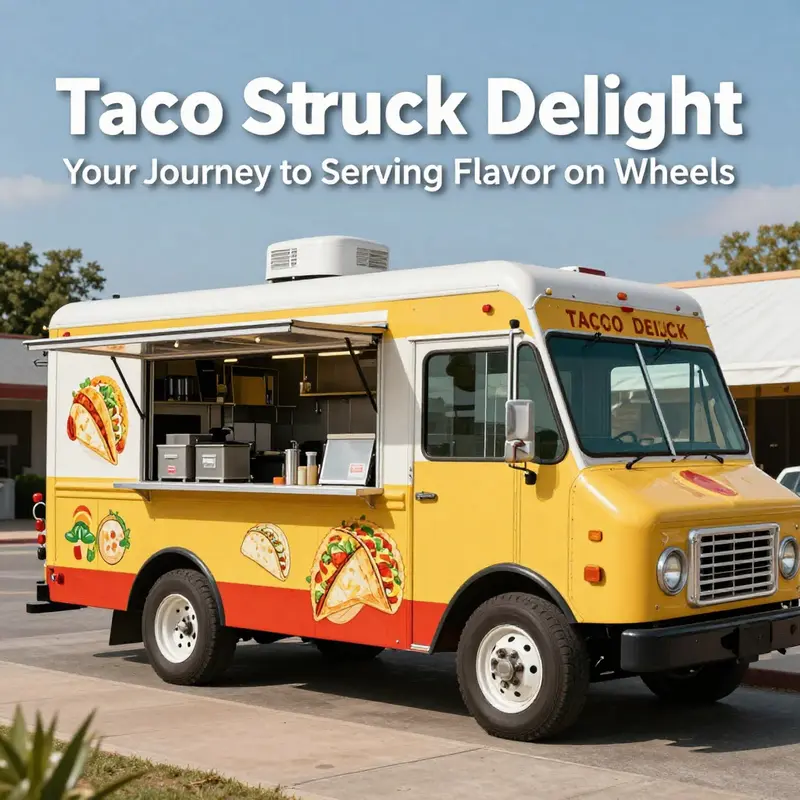
The journey from a taco dream to a rolling kitchen begins long before the first bolt is tightened. It starts with a clear sense of purpose and a plan that threads together market insight, regulatory realities, and a compact, reliable design. This chapter follows that thread from initial research through the grosstouch of construction, showing how design decisions shape every service moment on the curb. A taco truck is not just a vehicle; it is a culinary workspace, a brand ambassador, and a portable customer experience all in one. Getting it right requires treating the truck as a small, disciplined restaurant on wheels, where every square inch has a function, and every choice reverberates through safety, efficiency, and guest delight. The design process should be seen as an integrated narrative, one that honors the menu you intend to serve while acknowledging the constraints and opportunities of mobile dining. When done well, the truck becomes a walking advertisement, a reliable workhorse, and a tool for consistent, delicious execution.
Market research is the quiet engine beneath these decisions. Before sketching a single line on a blueprint, you map the streets you want to serve, the times when foot traffic will be thickest, and the dietary nuances that will set your cart apart. Look for gaps in the local scene—regional influences you can translate into a compelling menu, dietary accommodations that don’t overcomplicate prep, and price points that keep you competitive without compromising quality. The design choices you make should support this research, not constrain it. For example, if your market rewards speed and volume, your kitchen flow must minimize walking distance between prep, cooking, and service. If your concept emphasizes bold, regional flavors or plant-forward options, storage and refrigeration must accommodate a diverse lineup while maintaining product integrity. As you gauge competitors and potential locations, also envision how branding, signage, and window placement will work in harmony with the truck’s footprint. This is where the practical meets the aspirational, and where the strongest designs emerge: they maximize reliability while amplifying the story you want to tell.
Chassis selection is the first decisive step. Weight, durability, and stability set the baseline for every subsequent choice. A converted light-duty van or a small truck frame can offer a nimble footprint, easy maneuverability, and lower upfront costs. A longer wheelbase may deliver steadier handling at highway speeds and more room for a roomy kitchen, but it can complicate city maneuvering and parking. The chassis you choose should align with your expected service areas, the typical load of ingredients, and the number of staff you plan to employ. Stability matters not only for safety but for consistency in service. When a unit shakes or rocks during peak service, the risk of splashed sauces, spilled beverages, or misprepared orders increases. Seek a configuration that minimizes jolts and provides a predictable ride, especially when you’re navigating busy streets or uneven lots after a long shift. If you’re considering a custom rebuild, consult fabricators who understand the rigors of a mobile kitchen and can translate your operating needs into a sturdy, compliant frame. The right chassis acts as the stage for everything else—the kitchen, the storage, and the customer-facing window.
The mobile kitchen inside the truck demands an efficient flow that mirrors the cadence of a small restaurant. Your internal layout should guide traffic in a smooth, logical arc from unloading and prep to cooking and plating, with a dedicated path for waste and a separate line for customers at the serving window. Essential cooking equipment must balance capability with footprint; a commercial-grade stove or griddle provides the heat needed for high-volume service, while compact, efficient burners prevent heat from overwhelming the workspace. Refrigeration units are nonnegotiable for ingredient safety and quality; they must fit securely and be accessible without disrupting other activities. Storage cabinets, well-positioned countertops, and organized utensils reduce the cognitive load during busy moments, letting staff focus on speed and hospitality rather than hunting for tools. A reliable water supply and a sanitation plan are equally critical, ensuring you meet health standards with clean hands, clean equipment, and clean dishes. Waste disposal systems, thoughtfully integrated, prevent clutter and odor, supporting a hygienic operation that customers notice in every bite.
All of this must meet safety and quality expectations. Equipment should carry recognized safety certifications such as UL in North America and CE in European markets, signaling that electrical, gas, and structural components adhere to established standards. ISO 9001 is a helpful beacon for manufacturers, signaling consistent quality in the parts and processes you rely on. When you select equipment and components, request documentation that proves compliance and traceability. This is not merely bureaucratic compliance; it is the backbone of reliability. A truck that fails during a lunch rush due to substandard wiring or a leaky gas line is not just a setback—it undermines trust in your brand. Design decisions should favor accessibility for maintenance, ensuring that daily checks become second nature rather than disruptive interruptions.
Construction choices carry consequences beyond safety. Build with weather-resistant materials that tolerate sun, rain, heat, and road dust—materials and finishes you won’t worry about in a rapid daily cycle. If your budget allows, opt for modular, easily replaceable components that can be upgraded as your business evolves. Brand visibility should begin at the chassis and extend through the service window and exterior panels. Bold colors, clear typography, and durable graphics help your truck become a moving advertisement, drawing the eye in a crowded street scene. Features such as retractable awnings provide shade and comfort for customers while enhancing curb appeal, and digital signage can be used to rotate menu offerings, highlight daily specials, and convey wait times in real time. These touches do more than attract attention; they shape the customer experience and reduce perceived wait times, a subtle but powerful driver of repeat business.
Choosing the right structural partner is as important as choosing the right chassis. Work with fabricators who bring not only metalworking skill but a disciplined approach to process and quality control. Some operators explore pre-built kits that can be tailored to fit their menu and workflow; others opt for fully custom builds. In either case, ensure the project plan includes a clear timeline, milestones for permit readiness, and a robust testing phase that simulates real service conditions. Communication is critical here: you want regular updates and a transparent dialogue about modifications, lead times, and any constraints dictated by local regulations. The end product should feel cohesive—an integrated system where the kitchen, power, water, waste, and customer service functions align with the branding and the chosen service strategy.
Permits and licenses loom large in the design phase, not as afterthoughts but as constraints that shape feasibility. Before a single mile on the road is logged, you’ll need a business registration, a food service permit, a mobile vendor license, and health department approval, among other local requirements. Some jurisdictions also require specific fire safety equipment and periodic inspections. It is wise to consult the local authorities early, mapping out the exact documentation you’ll need and the timelines for approvals. In places with higher permit fees, you’ll want a realistic budget that accounts for these ongoing costs. The truck design should reflect these realities; for example, if you know that a particular health inspection will require a certain cleanability standard, you build the kitchen to pass that standard already. A well-planned design reduces the friction between conception and operation, supporting a smoother launch and fewer surprises on opening day.
Once the shell is shaped and the permits are in hand, attention turns to construction, integration, and branding. Construction is a mix of technique, testing, and iteration. Work with experienced fabricators or explore reputable kits, but insist on proof of compliance with safety and quality practices. The goal is not just to assemble a functioning kitchen; it is to assemble a reliable and durable workspace that can stand up to long hours, rough roads, and the inevitable sprawl of a crowded service window. Branding should be baked into every visible surface—colors, fonts, and motifs that communicate your concept at a glance. A well-branded exterior makes your truck instantly recognizable and invites customers to approach, while an intuitive interior layout keeps staff focused on cooking and hospitality rather than wrestling with equipment or chasing ingredients. The money you invest in design pays off through reduced downtime, improved consistency, and a stronger emotional connection with guests.
In the end, the taco truck is more than a vehicle; it is a living embodiment of your concept, your brand promise, and your operational philosophy. The design must accommodate the realities of on-site service: the unpredictable rhythms of a lunch rush, the variable weather, and the need for quick, high-quality food delivery. Your truck should feel like an extension of your kitchen, a compact but robust platform that supports your people, product, and performance. As you move through design decisions, keep a constant eye on service speed, food safety, and branding coherence. The truck is your most persistent salesperson; let it speak clearly through its layout, its mission, and its execution.
For further guidance on selecting the right food-truck approach and understanding how design and compliance intersect in the broader business context, see Choosing the Right Food Truck. External resources and national guidelines can also provide a helpful framework as you finalize plans for permits, inspections, and ongoing maintenance. External resource: https://www.sba.gov/business-guide/starting-a-business/how-to-start-a-taco-truck
From Field to Flame: Building an Ingredient Network for a Taco Truck That Delivers Authentic Flavor
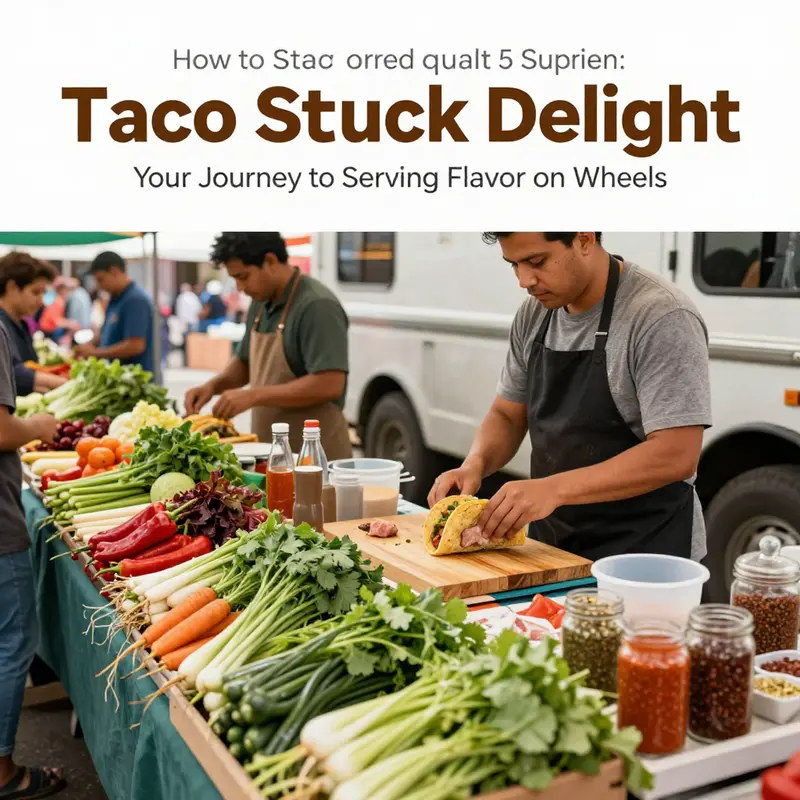
When you plan a taco truck, you quickly learn that a great sauce, a perfect tortilla, and a balanced blend of textures begin with the ingredients you source. The chain from field to flame is not a footnote; it is the engine of your menu, the promise you make to customers, and the reason flavors stay consistent from one shift to the next. A practical, well-structured sourcing strategy turns a clever concept into a reliable operation and gives your brand a narrative customers can trust. This is where you translate a recipe into repeatable, scalable reality, grounding every plate in quality and traceability.
Begin with your core menu—think carne asada, al pastor, barbacoa, and vibrant vegetarian options. These choices set the compass for your supplier search and how you judge potential partners. If you want bold, regional authenticity, you’ll prioritize ingredients that reflect those strengths: specific chiles, spices, herbs, and a masa-based tortilla program. You don’t have to chase every exotic ingredient, but you do want to map the essential items that define your flavor profile and ensure the supply chain will meet your needs during busy weekends, rainstorms, or festival bursts.
Meat is a starting point where safety, consistency, and ethics converge. Look for suppliers who can demonstrate traceability, ideally from a defined farm or ranch to your truck. A local butcher or distributor with verified food safety practices, documented handling procedures, and the ability to provide batch records is invaluable. If possible, work with partners who can share heat maps of production, animal welfare certifications, and audit results. In markets where regulatory oversight is strict, a supplier registered with national or regional food safety authorities offers additional reassurance. Build a relationship that allows you to confirm cut specs, fat distribution, and portion control. This isn’t only about taste; it’s about predictable cooking times, uniform appearance, and a cohesive customer experience across multiple service days.
Produce and fresh vegetables deserve the same rigor. Favor growers who can deliver consistently ripened peppers, onions, cilantro, tomatoes, and jalapeños with documented harvest dates. Local farmers’ markets or regional cooperatives often yield the most flavorful, seasonally appropriate goods while reducing transit time and waste. When the truck arrives at rush hours, you’ll want to know the exact day the greens were picked, how they were stored, and how they were packed for transport. Sustainability matters here as well—the choice to source from small farms or farm-to-table programs reinforces your brand’s commitment to freshness, community, and the environment. Seasonal strategy matters; plan menus around what’s abundant and at peak flavor, then adjust the rails when a supplier hits a weather-related gap.
Tortillas anchor the texture and aroma that many customers associate with authentic Mexican street food. Seek providers that offer tortillas made with 100% masa harina and no artificial additives, ensuring a clean, true corn flavor. Some trucks opt for masa mills that grind fresh masa, achieving a tenderness and chew that mass-produced tortillas often lack. If you rely on larger brands, select those with transparent ingredient lists and production standards you can defend in front of health inspectors and curious patrons. Either path should deliver consistency—unvarying thickness, uniform pliability, and a bite that snaps in the right places as you build a taco with confident folds.
The logistical backbone of sourcing is how you receive materials and how you store them. Packaging and delivery practices matter as much as the ingredients themselves. You need cold-chain discipline for meats and perishables, airtight, safe packaging for produce, and labeling that prevents cross-contamination. Think through the handoffs: who delivers when, how cold it travels, and how you verify arrival quality. A well-timed, coordinated rhythm reduces waste and keeps costs predictable. Food safety is not a one-off test but a daily discipline—proper refrigeration, correct storage temperatures, clean storage containers, and clearly marked batch numbers for every ingredient.
As you refine supplier options, adopt a disciplined vetting process. Start with samples and trial orders to judge flavor, texture, and aroma, then evaluate reliability—can the supplier meet weekly demand, handle peak days, and maintain consistent quality across multiple shipments? Assess delivery schedules, packaging standards, and the ability to scale with your growth. It’s wise to maintain relationships with multiple suppliers for key ingredients, so you aren’t exposed to a single point of failure if weather, transport delays, or shortages hit. In practice, this means a primary supplier for proteins, a separate partner for produce, and a dedicated source for tortillas or masa products. Put in place clear terms on lead times, minimum orders, return policies, and credit arrangements. Keeping detailed records of conversations, samples, and contract terms helps you navigate inspections and audits with clarity.
The financial frame of sourcing also deserves deliberate attention. Quality comes at a price, but you can manage cost without compromising flavor by planning ahead, negotiating bulk terms for staples, and balancing premium items with budget-friendly options that still meet your brand standards. Track ingredient costs against portion control—knowing your yield on carne, your shrink on produce, and your tortilla usage lets you price your menu with confidence. Sustainability can be a driver of both cost and brand value; when you partner with local producers, you may shorten transport times and reduce spoilage, which translates into less waste and more efficient operations. Communicate this story to your customers: fresh, locally sourced ingredients aren’t a marketing ploy, but a daily practice that impacts the taste of every bite and the social footprint of your business.
Documentation becomes your ally, not a burden. Maintain records of supplier contacts, ingredient sourcing, batch numbers, and quality checks. Should an inspector request the provenance of a particular protein or produce lot, you can quickly verify it. This traceability reassures customers who care about what’s on their plate and enhances the trust you build when you describe your tacos’ origins. It also eases menu changes; when a supplier experiences a temporary shortfall, you can switch to a vetted alternative with minimal disruption because you already have a framework and a short list of approved substitutes.
A well-managed ingredient network also supports your branding. Consumers respond to stories about local farms, ethical sourcing, and mindful packaging. Your menu can celebrate the journey of each ingredient, from farm to truck window to plate. If you want to emphasize regional authenticity, you’ll emphasize ingredients tied to particular regions or traditions and explain how your truck captures those flavors in a modern twist. The sourcing plan then becomes a living part of your business, visible in your menu notes, your social posts, and the way you speak about your tacos during service. When someone asks where your tomatoes came from, you can share the farm name and harvest date; when a guest tastes a barbacoa taco with a specific cut of meat, you can explain the preparation standards and the supplier’s safety credentials.
As you shape your broader venture, remember that decisions about equipment, layout, and branding should align with your supplier strategy. A thoughtful design for storage, prep space, and cross-contamination prevention supports your commitment to quality. It also helps you maintain the speed and efficiency needed for a mobile operation, where every minute counts and every bite must be consistent. If you’re still weighing the broader decisions and want a consolidated view of how sourcing fits into the overall concept, you can explore Choosing the right food truck.
In closing, sourcing quality ingredients is neither a one-off act nor a purely logistical challenge. It is the ongoing practice of selecting partners who share your standards, planning around seasonality, and documenting every step so you can deliver a memorable, dependable experience night after night. Your sourcing decisions shape the menu, the cost structure, and the story you tell customers with each bite. When you approach this work with intentionality and curiosity, you unlock the ability to scale without sacrificing flavor, authenticity, or trust.
External reference and further reading can illuminate concrete practices in real-world contexts. For a vivid example of how careful ingredient sourcing translates into consistent flavor, see The Best Tacos in Austin, TX: Strictly From Food Trucks. The article highlights how top taco trucks sustain consistency and flavor through curated ingredients and trusted local suppliers. External resource.
Final thoughts
Launching your taco truck is more than just a business endeavor—it’s a chance to share your love for tacos and bring smiles to people’s faces. By meticulously developing a detailed business plan, strategically choosing your locations, securing the right permits, designing an attractive truck, and sourcing quality ingredients, you set the foundation for success. Each step you take contributes to not just serving delicious food but creating a vibrant community experience around your taco truck. So gear up for the journey ahead and get ready to serve flavors that will keep customers coming back for more!