
Introduction
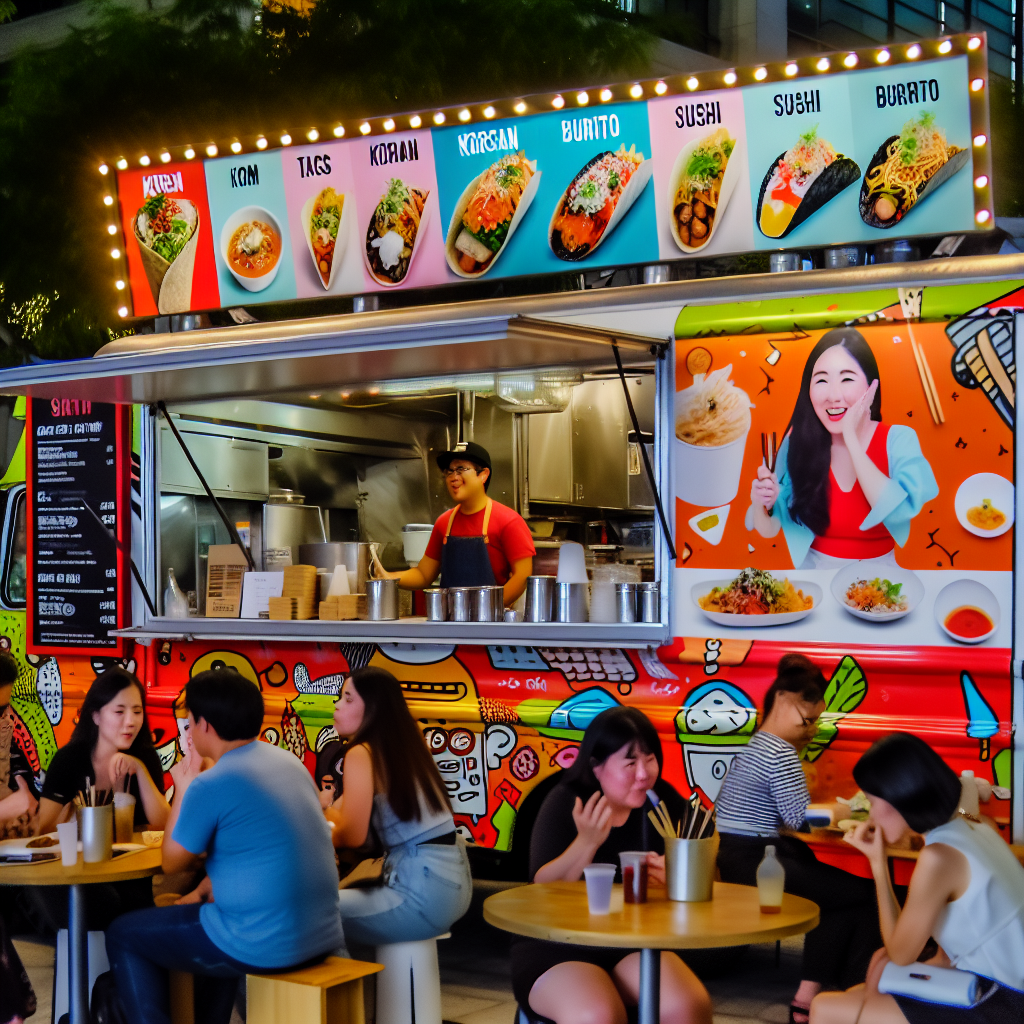
In recent years, the rise of food truck culture has transformed urban landscapes, making bustling streets a canvas for culinary creativity. These mobile kitchens have embraced the magic of fusion cuisines, where culinary traditions meld together to create exciting street food masterpieces that are as diverse as the cultures they represent. Imagine indulging in Korean tacos that blend spicy gochujang with crispy tortillas or savoring sushi burritos that roll together fresh fish with zesty ingredients.
Food Truck Fusions not only tantalize the taste buds but also reflect a modern cultural dialogue, showcasing how food can transcend boundaries and unite communities around a shared love of flavor. As these culinary innovations pop up in cities worldwide, they invite food enthusiasts to explore new tastes while appreciating the deep-rooted traditions that birthed them.
In this ever-evolving food landscape, the excitement surrounding fusion street food serves as a testament to our planet’s rich interconnectedness, highlighting both cultural heritage and the adventurous spirit of culinary exploration.
Profitability of Food Trucks vs. Traditional Restaurants
In recent years, the food truck industry has garnered attention not just for its innovative culinary offerings but also for its impressive profitability metrics. Research indicates that well-managed food trucks often achieve net profit margins ranging from 15% to 25%, significantly higher than the 10% to 15% margins typically seen in traditional restaurants. This stark contrast underlines the operational efficiencies inherent in food truck operations.
Several factors contribute to the superior profitability of food trucks:
- Lower Labor Costs: Food trucks generally incur labor costs that amount to 25% to 35% of their revenue, which is notably lower than traditional restaurants where labor can average 30% to 40%. This difference allows food trucks to maintain healthier profit margins.
- Controlled Ingredient Costs: Food trucks typically manage their ingredient costs effectively, keeping them below 30% of their revenue. This careful management ensures that they can maximize profit on each dish sold.
- Efficient Operations: The mobile nature of food trucks enables streamlined operations that reduce waste and improve efficiency, which is key to maintaining profitability.
The profitability potential is further enhanced when food trucks diversify their revenue streams through catering events and brand licensing. Fusion cuisine plays a pivotal role in this regard. By offering blended culinary traditions, food trucks can attract a broader and more diverse customer base, which is crucial for increasing foot traffic and sales volume. Furthermore, fusion cuisine supports brand differentiation in an increasingly crowded market, allowing food trucks to stand out and capitalize on the growing trend toward unique culinary experiences.
In conclusion, not only do food trucks generally outperform traditional restaurants in terms of profitability, but the incorporation of fusion cuisine can take this profitability to greater heights by attracting diverse customers and enhancing brand appeal.
Popular Fusion Dishes Offered by Food Trucks
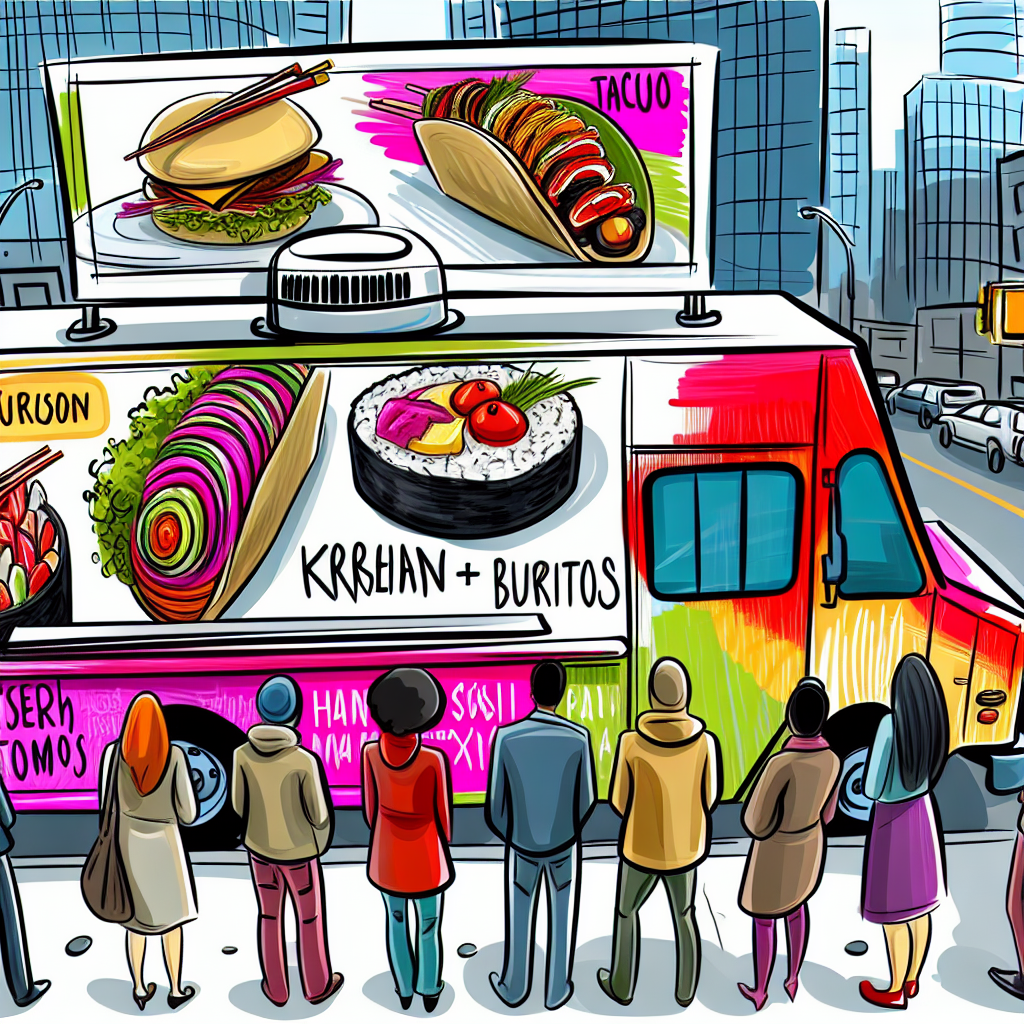
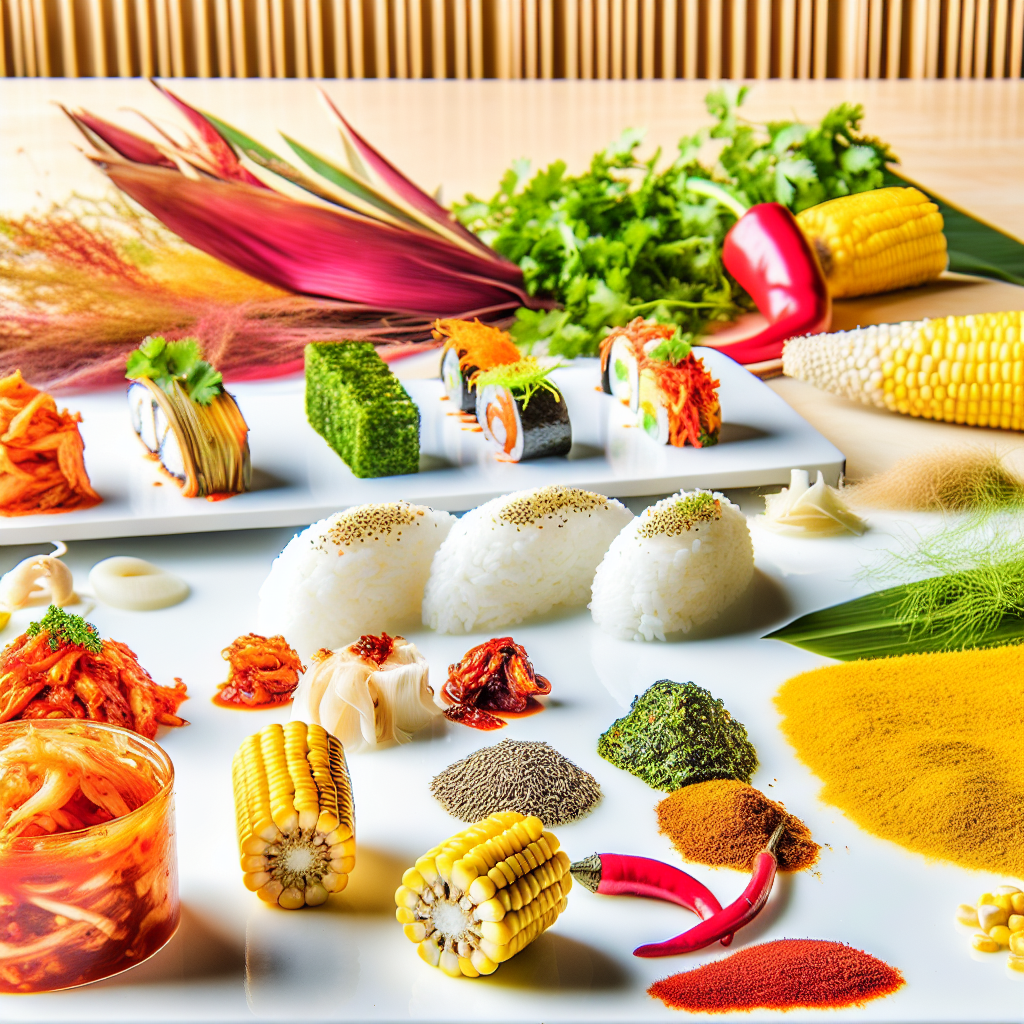
Food trucks have taken the culinary world by storm, showcasing a delightful range of fusion dishes that tantalize taste buds and spark conversations. Let’s take a closer look at two standout offerings that exemplify the creativity and excitement of fusion cuisine.
Kimchi Quesadillas
Imagine biting into a crispy quesadilla that melds the flavors of Korea and Mexico. Kimchi quesadillas do just that, combining the spicy, fermented goodness of kimchi with gooey melted cheese and a drizzle of creamy Sriracha sauce. This dish appeals to food lovers for its surprising yet harmonious flavor profile, balancing the tangy heat of kimchi with the comforting satisfaction of cheese and tortillas. Not only do they represent a culinary mashup, but they also highlight the global trend of elevating humble street food into gourmet delights.
Thai-Style Peanut Sauce Wraps
Another fusion favorite is the Thai-style peanut sauce wrap, which marries traditional Thai flavors with the convenience of a handheld wrap. This dish often features grilled chicken, crunchy vegetables, and aromatic herbs, all slathered in a rich, nutty peanut sauce, then wrapped in a soft tortilla or rice paper. The appeal here lies in the freshness of the ingredients and the vibrant, bold flavors that transport customers straight to Southeast Asia. These wraps not only cater to a craving for adventure but also embody the innovation that food trucks thrive on, blending diverse culinary traditions into something new and exciting.
Popular fusion dishes like kimchi quesadillas and Thai-style peanut sauce wraps not only satisfy cravings but also invite eaters on an exploration of culture through cuisine. They exemplify how food trucks contribute to cultural dialogue and culinary iteration, making street food a vibrant space for global flavors to unite. The creativity found in these dishes demonstrates the limitless possibilities in the world of fusion cuisine, where chefs push culinary boundaries and redefine what street food can be.
Comparison of Popular Food Truck Fusion Dishes
| Fusion Dish | Origin | Main Ingredients | Flavor Profile |
|---|---|---|---|
| Korean Tacos | Korea / Mexico | Tortillas, gochujang, marinated beef, kimchi | Spicy, savory, with a hint of tang |
| Sushi Burritos | Japan / Mexico | Sushi rice, seaweed, fresh fish, avocado | Fresh, vibrant, with umami flavors |
| Kimchi Quesadillas | Korea / Mexico | Tortillas, cheese, kimchi, Sriracha | Spicy, cheesy, with a savory kick |
| Thai-Style Peanut Sauce Wraps | Thailand / USA | Chicken, vegetables, peanut sauce, tortillas | Nutty, rich, with a hint of sweetness |
| Mexican Street Corn | Mexico | Corn, lime, chili powder, cheese | Zesty, spicy, and savory |
| Pad Thai Tacos | Thailand / Mexico | Tortillas, stir-fried noodles, shrimp, peanuts | Sweet, tangy, with a crunch |
Fusion cuisine holds a prominent place in today’s culinary landscape, serving not only as a delightful amalgamation of flavors but also as a powerful vehicle for cultural dialogue. By blending diverse culinary traditions, fusion cuisine encourages shared experiences that transcend cultural boundaries. This culinary practice invites chefs and diners alike to explore new tastes and textures, creating a vibrant tapestry of global influences. As food enthusiasts gather around these innovative dishes, they engage in a communal celebration of flavors that fosters understanding and appreciation among diverse cultures.
The essence of fusion cuisine is beautifully encapsulated in the quote, “Fusion cuisine isn’t just a trend; it’s a reflection of the world’s rich, interconnected food culture.” This sentiment emphasizes how food acts as a bridge, connecting individuals and communities while inviting them to partake in a dialogue that includes storytelling, heritage, and identity.
As culinary innovation continues to grow, fusion cuisine provides a platform where people from different backgrounds can engage and connect, reinforcing the idea that food has the unique ability to bring us together. In this interconnected world, fusion cuisine emerges as a testament to our collective creativity, resilience, and ability to celebrate diversity through shared culinary experiences.
Conclusion
As the culinary landscape continues to evolve, food truck fusions stand out as a promising venture for both aspiring and established vendors. The unique blend of flavors and cultural traditions not only creates a vibrant dining experience but also captures the attention of a diverse customer base eager for innovative tastes. With research demonstrating that fusion food trucks can achieve profit margins significantly higher than traditional restaurants, it is clear that embracing culinary creativity can lead to both artistic satisfaction and substantial financial gains.
Moreover, successful fusion vendors prioritize authenticity, ensuring that every dish resonates with genuine flavors while inviting diners to engage with food in new and exciting ways. As the popularity of fusion cuisine grows, food truck vendors are encouraged to explore unconventional combinations, pushing the limits of culinary boundaries. This approach not only enhances brand differentiation in an increasingly competitive market but also nurtures a culture of community and dialogue among diverse groups. Therefore, now is the perfect time for food truck owners to unleash their creativity and take part in this flourishing culinary movement, creating memorable experiences that leave customers coming back for more.
Conclusion
As the culinary landscape continues to evolve, food truck fusions stand out as a promising venture for both aspiring and established vendors. The unique blend of flavors and cultural traditions not only creates a vibrant dining experience but also captures the attention of a diverse customer base eager for innovative tastes.
Now is the time for food truck vendors to creatively explore fusion cuisines, embracing this trend to offer unforgettable flavors that embrace diverse culinary heritages. Dive into the world of fusion and watch your food truck thrive as you connect with customers through the joy of adventurous eating.
User Adoption Data on Food Truck Fusion Cuisines
For food truck vendors, each day on the road presents a unique opportunity to share creativity, passion, and flavors with their community. As you hustle to attract customers in a competitive market, understanding trends in food preferences can be transformative. The food truck industry has shown remarkable growth, with fusion cuisine leading the charge. Statistics are not just numbers; they represent countless possibilities for vendors like you to expand your culinary offerings and connect deeply with your audience. Imagine the joy of seeing customers eagerly flocking to try dishes that marry the vibrant traditions of cultures from around the world to create something entirely new. This journey, filled with innovation and exploration, is what defines the fusion food truck movement.
Recent data highlights that 68% of food truck patrons actively seek fusion dishes. Asian-Latin fusion stands out as the most popular, accounting for 32% of all fusion truck sales.
A survey of 2,000 food truck customers revealed that 72% prefer fusion cuisine over traditional options. Specifically, dishes like Korean BBQ tacos have seen a 45% increase in demand since 2021. Moreover, 58% of respondents indicated they are willing to pay a premium of 10-15% for fusion dishes compared to standard items, highlighting consumer willingness to invest in unique culinary experiences.
Fusion food trucks have also witnessed impressive revenue growth, experiencing a 20% year-over-year increase, vastly exceeding the average growth within the food truck industry. Notably, 65% of millennials and Gen Z customers favor fusion dishes for their novelty and complex flavor profiles. The Mediterranean-Asian fusion niche is gaining traction, reflected in a 30% increase in menu appearances.
Looking ahead, the fusion food truck segment is projected to grow by 12.3% annually until 2028, with cities known for multicultural offerings, like Los Angeles and Austin, reporting a 25% higher customer retention rate for fusion trucks compared to traditional ones. Indian-Mexican fusion is notably surging, evidenced by a 50% increase in social media engagement and positive reviews.
The Future of Food Truck Fusion Cuisine
As culinary trends continue to evolve, food truck fusion cuisine is poised to explore uncharted territories in flavor and creativity. Here are some potential trends that could shape this vibrant scene in the coming years:
- Heightened Focus on Plant-Based Options
With the growing consumer shift towards plant-based diets, food trucks are likely to innovate fusion dishes that prioritize vegetables, grains, legumes, and other wholesome ingredients without sacrificing bold flavors typical of various cuisines. Imagine a jackfruit banh mi or a quinoa taco bowl featuring spicy vegan chorizo. - Global Flavor Mashups
Expect the emergence of even more adventurous combinations, such as Indian-inspired vada pav tacos or Moroccan-Spanish paella wraps. These daring flavor mashups will celebrate the interconnectivity of global culinary traditions, enticing food lovers to venture beyond their usual tastes. - Health-Conscious Fusion
As health consciousness rises, lovely fusion cuisine that balances indulgence with nutrition may take the stage. Dishes like pho burritos, filled with rice noodles, grilled proteins, and fresh herbs, might represent a delightful yet healthy take on a comfort dish. - Interactive Culinary Experiences
Food trucks that allow patrons to participate in the creation of their own fusion dishes could enhance the dining experience. Customers may have the opportunity to choose from various ingredients, creating a customized fusion delight that reflects their preferences. - Emphasis on Local Ingredients
An increasing number of food trucks may prioritize sourcing local and seasonal ingredients, aligning their menus with regional culinary heritages while celebrating fusion flavors. This approach not only supports local farms but also fosters a deep connection with the community. - Cultural Storytelling
Chefs could increasingly incorporate storytelling into their menus, inviting customers to explore the cultural significance behind the flavors and ingredients they encounter. This narrative aspect has the potential to deepen appreciation for the fusion dishes offered.
These emerging trends indicate that food truck fusion cuisine will not only evolve with changing consumer preferences but also serve as a mode of cultural expression and culinary innovation, enriching the food landscape with diverse and delightful offerings.