

In the fast-paced world of food trucks, staying connected with your customers is more crucial than ever. Did you know that engaging your audience through email marketing can boost your ROI by as much as 4400%? This staggering statistic highlights the power of Email Marketing for Food Trucks, transforming casual customers into loyal patrons. Imagine reaching out to your followers before every event, sharing mouthwatering specials or exciting location updates directly to their inboxes. Not only does email marketing foster a sense of community, but it also provides a direct line of communication to inform and entice your customers. For food truck owners, embracing this strategy can mean the difference between fleeting visits and sustained customer loyalty. Let’s explore how you can harness the potential of email marketing to elevate your food truck business to new heights.
Additionally, understanding food truck marketing strategies is essential for any owner looking to thrive in this competitive industry.

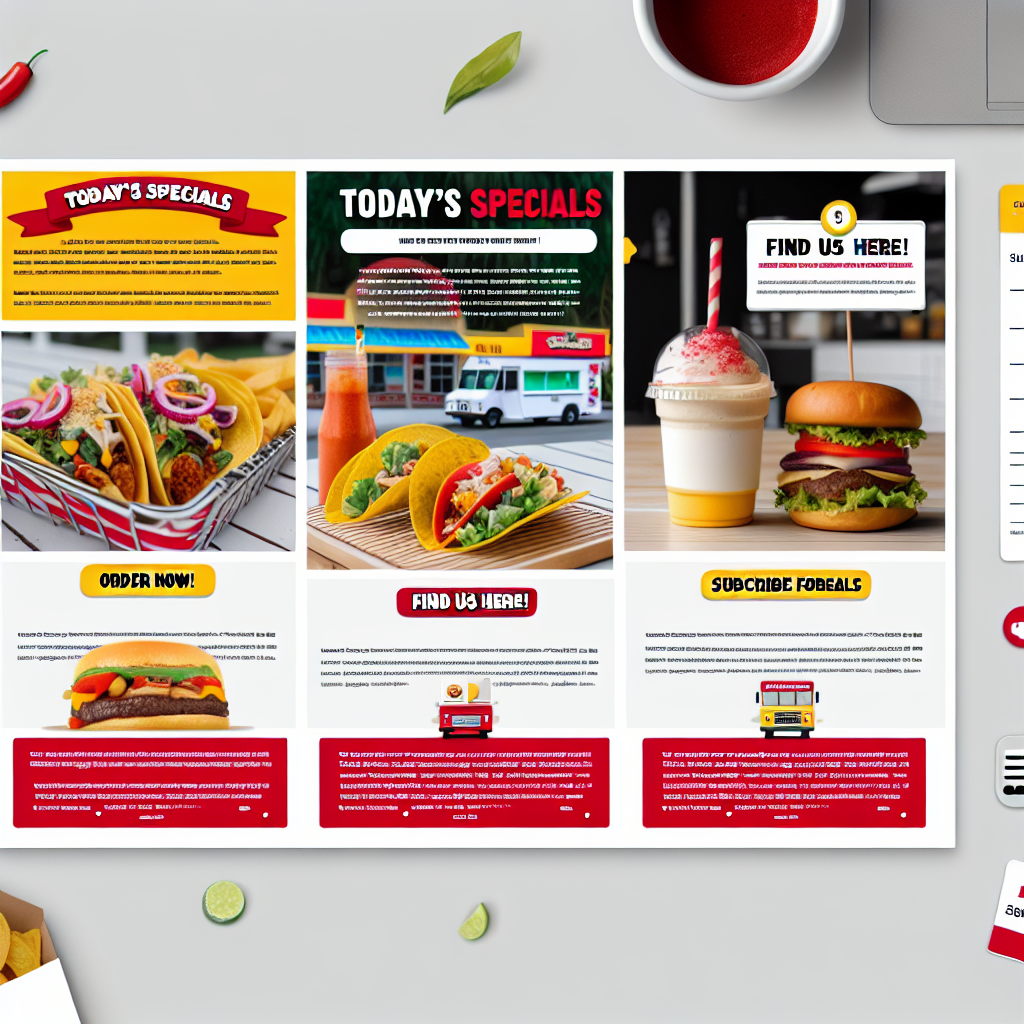
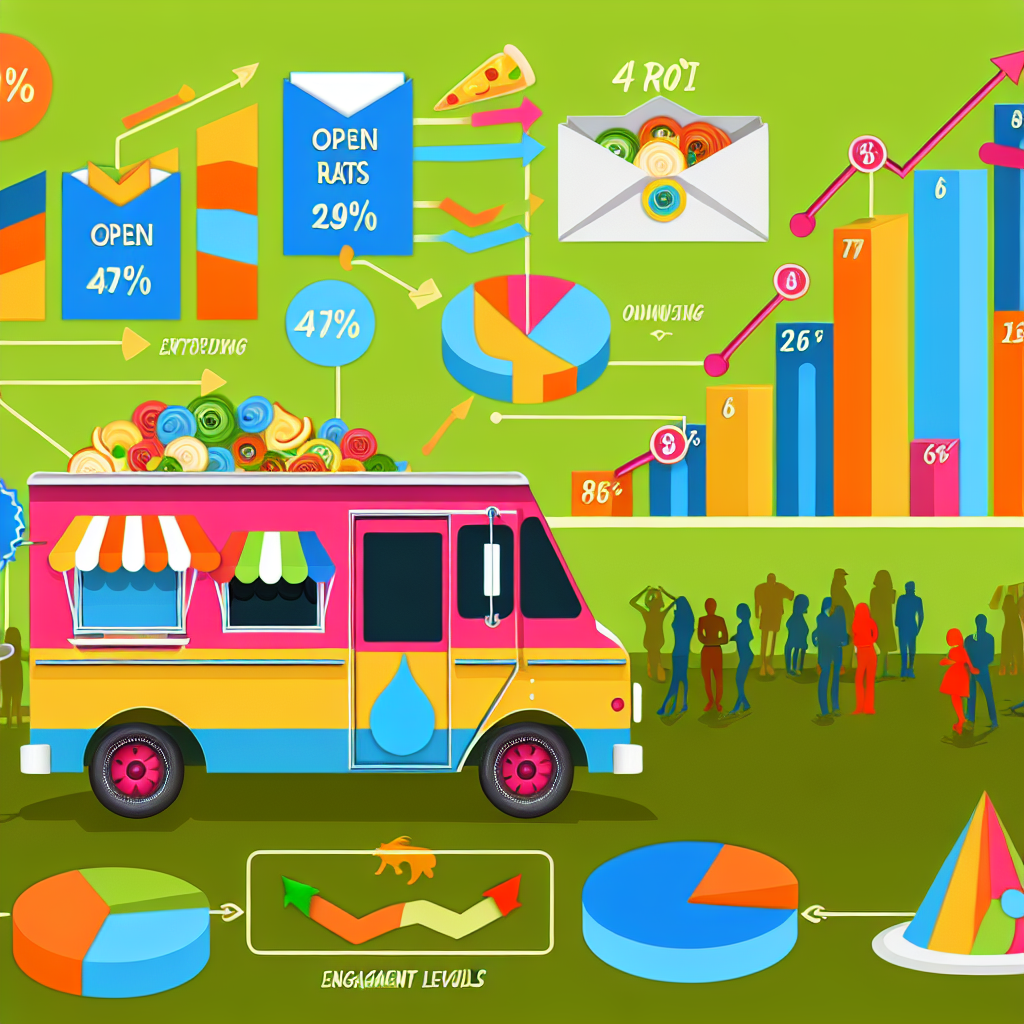
Email marketing has emerged as a vital tool for food trucks striving to enhance their customer engagement and drive sales. By employing effective strategies, food truck owners can connect with their audience in a meaningful way, fostering loyalty and increasing retention rates.
One of the most significant benefits of email marketing is its ability to keep customers informed about promotions and special events. Regular newsletters sent once or twice a month enable food trucks to share exciting updates, new menu items, or unique offers directly with their subscribers. This proactive approach not only helps in keeping the food truck at the forefront of customers’ minds but also draws them back for repeat visits. Research suggests that maintaining consistent communication with audiences can lead to an increased likelihood of customer retention.
Moreover, by utilizing segmentation techniques, food trucks can tailor their emails to specific customer groups, enhancing personalization. For instance, sending targeted promotions based on past purchases or location preferences can significantly boost open rates and click-through rates. When customers feel that an email speaks directly to their interests, they are more likely to engage with the content and act on it.
Additionally, email marketing boasts a remarkably high return on investment compared to traditional advertising methods. Various reports indicate that businesses can expect returns of up to 4400% from their email campaigns. This remarkable figure highlights why food trucks should view their email lists as precious assets that deserve consistent nurturing.
To capitalize on these benefits, food truck owners should focus on creating visually engaging content and compelling calls-to-action that inspire customers to visit their trucks. This approach not only drives sales but also ensures that the community feels connected to the brand, ultimately leading to strong brand loyalty and sustained success.
In conclusion, the strategic implementation of email marketing can significantly enhance customer engagement, improve retention rates, and drive sales for food trucks. Embracing this innovative marketing strategy can transform casual diners into lifelong patrons, ensuring the growth and prosperity of food truck businesses in a competitive market.
| Email Marketing Platform | Pricing (per month) | Key Benefits | User-Friendliness |
|---|---|---|---|
| Mailchimp | Free for up to 2,000 contacts; paid plans start at $11 | Extensive templates, Automation features, Analytics | Intuitive interface, Easy to navigate |
| Constant Contact | Starts at $20 | Great customer support, List segmentation, Surveys | User-friendly, Quick setup |
| Sendinblue | Free for up to 300 emails/day; paid plans start at $25 | SMS marketing, Advanced analytics, Automation | Simple dashboard, Low learning curve |
With various platforms at their disposal, food truck owners must evaluate which service aligns best with their needs, balancing features, ease of use, and budget. This comparison should simplify the decision-making process for effectively managing email marketing campaigns.
User Adoption of Email Marketing Among Food Trucks
The adoption of email marketing among food truck owners has shown remarkable growth and offers substantial advantages that underscore its value as a marketing tool. Recent research indicates a significant rise in the number of food trucks leveraging email marketing in their strategies. In 2020, only 42% of food truck operators utilized email campaigns, but this number surged to 61% by 2023, as reported in the 2023 Food Truck Industry Marketing Trends Report (Mobile Cuisine Magazine, source, FoodTruckEmpire.com). This upward trend reflects a growing recognition among food truck owners of the potential for email to drive customer engagement.
Food trucks that embrace email marketing are experiencing substantial benefits. According to FoodTruckEmpire.com, 68% of successful food truck operators now employ email marketing regularly, resulting in a threefold increase in customer retention rates and 25% higher average order values from subscribers compared to social media followers (source). This demonstrates the effectiveness of email in building long-term relationships with consumers.
Investment in email marketing has proven to yield impressive returns. Food trucks report an average ROI of $42 for every dollar spent on email campaigns. Furthermore, location-based email strategies have been associated with a remarkable 35% increase in foot traffic (source). Additionally, industry insights from the Toast Blog reveal that food trucks utilizing email marketing enjoy 40% higher customer loyalty and 28% more repeat business (Toast Blog).
From a performance perspective, email marketing significantly outperforms social media, with conversion rates being six times higher. Food trucks that build email lists of over 500 subscribers often find that 15-20% of their weekly revenue can be directly attributed to email marketing efforts (Street Food News). This highlights email marketing as one of the most potent marketing channels available, paving the way for increased sales and a stronger connection with customers.
In conclusion, the growing trend of food trucks adopting email marketing is supported by robust statistics evidencing its efficacy in driving customer loyalty and enhancing revenue. The trend underscores the necessity for food truck owners to leverage email marketing as a crucial component of their overall marketing strategies to ensure ongoing success and engagement with their customer base.
Segmentation and Personalization Techniques for Email Marketing in Food Trucks
To effectively utilize email marketing, food trucks must implement segmentation techniques that allow for the personalization of their communication with customers. Segmentation involves dividing a customer base into distinct groups based on shared characteristics, which can enhance engagement and drive sales. As the saying goes, “The more you customize, the more your customers feel connected to your food truck.”
Customer Segmentation Strategies
Food trucks can benefit significantly from segmenting their email lists based on several criteria:
- Geographic Segmentation: By targeting customers based on their locations, food trucks can send tailored emails about specific events or stops. For example, notifying local patrons about a truck’s presence at a nearby festival or fair can boost turnout. This strategy has been linked to increased foot traffic by up to 20% when employing geo-targeted announcements.
- Behavioral Segmentation: This involves categorizing customers based on their purchasing patterns. First-time customers might receive a welcome series including a discount for their next purchase, while longtime loyal customers can receive exclusive previews of new menu items. Personalized emails based on purchase history report conversion rates that are 25% higher.
- Preference-Based Segmentation: A successful food truck may collect data on dietary preferences (e.g., vegan, gluten-free) through sign-up forms or surveys. By sending out targeted offers that cater to these preferences, food trucks can significantly enhance customer satisfaction and loyalty.
- Occasional Segmentation: Tailoring emails for specific occasions such as holidays, special events, or customer anniversaries can also yield positive results. Sending birthday specials or holiday-themed promotions encourages customers to celebrate with your food truck.
Resulting Benefits from Segmentation
The implementation of segmentation techniques can lead to significant improvements in email marketing effectiveness. For instance, segmented email campaigns can achieve open rates that are 14.31% higher and click-through rates that are more than double those of non-segmented campaigns. According to Mailchimp, personalized email campaigns can lead to open rates up to 50% higher and a 30% increase in repeat purchases.
Moreover, food trucks that tailor their campaigns by utilizing customer data and segmentation report a striking 760% increase in email revenue. The success stories are notable: a taco truck managed to boost weekly revenue by 40% through location-specific emails, while a gourmet burger truck achieved redemption rates of 35% on personalized promotions.
In summary, food trucks can leverage segmentation and personalization in their email marketing strategies to build stronger customer connections, elevate engagement levels, and ultimately drive sales. By nurturing their subscriber lists and providing valuable, tailored content, food trucks can turn first-time visitors into regular customers, capitalizing on the growing trend of personalized marketing in the food industry.
Key Takeaways for Email Marketing Success in Food Trucks
In today’s crowded food truck industry, leveraging email marketing serves as a game-changer that no owner should overlook. The power of this strategy lies in its ability to establish direct communication with your customers, keeping them informed and engaged. Here are the essential takeaways to consider:
- High ROI: Email marketing offers an unprecedented return on investment, with reports indicating potential returns of up to 4400%. This makes it an effective tool for driving sales and enhancing profitability.
- Customer Retention: Consistent newsletters help maintain customer interest, leading to greater retention rates. Sending out monthly updates ensures that your food truck remains top-of-mind and encourages repeat visits.
- Personalization: With segmentation techniques, you can tailor messages based on customer preferences, location, and buying behavior. Personalized messages foster a stronger connection and result in higher engagement rates.
- Engagement Boost: Campaigns that relate directly to your audience yield significant boosts in open rates and click-through rates. The more personal your approach, the more customers feel valued and likely to take action.
- Community Building: Email marketing does not just push promotions; it creates a sense of community around your brand. Sharing stories, updates, and sneak peeks cultivates loyalty among your customers, turning them into your biggest advocates.
In conclusion, the prospects of incorporating email marketing into your food truck strategy go far beyond conventional promotion. By investing in this direct line of communication, you will foster deeper connections with your customers, drive more traffic to your location, and ultimately boost your sales. The time is now for food truck owners to embrace this strategy, as the rewards are too significant to ignore. Take action today, and watch your business thrive!
Essential Tips for Leveraging Email Marketing
- Frequency Matters: Aim to send newsletters once or twice a month. This ensures consistent engagement without overwhelming your audience.
- Mix Content Types: Include a variety of content in your emails. Feature upcoming events, special promotions, and customer spotlights to keep your audience interested.
- Personalization Techniques: Utilize segmentation to send tailored messages based on customer preferences, behavior, and location, significantly improving open and click rates.
- Engagement Strategies: Incorporate compelling calls-to-action and visually engaging content. Prompt your subscribers to visit your food truck or take advantage of exclusive offers.
- Gather Feedback: Encourage subscribers to provide feedback through surveys or polls to enhance customer engagement and improve your offerings.
A Case Study: Taco Delight’s Journey with Email Marketing
To illustrate the transformative impact of email marketing, consider the story of Taco Delight, a local food truck that revitalized its business through targeted email campaigns. Before diving into email marketing, Taco Delight struggled to maintain a steady stream of customers, often reliant on foot traffic alone during peak hours. Recognizing the need for a more proactive approach, the owner, Maria, decided to create a monthly newsletter to engage her customers.
Through consistent communication, Maria began sharing not only her food truck’s schedule but also stories about the local farmers supplying fresh ingredients, new menu items, and exclusive discounts for subscribers. These newsletters fostered a deeper connection with her audience and personalized the experience.
Within months, Taco Delight experienced a remarkable 30% increase in sales, directly attributing this growth to her email marketing efforts. Customers expressed appreciation for the personal touch, often mentioning that they felt more involved with the brand. Maria’s story highlights how effectively engaging with your audience through email can not only drive sales but also cultivate lasting relationships.
As you consider your own email marketing strategy, reflect on the various platforms available that can help you achieve similar results, ensuring you choose one that aligns with your unique needs and customer base.