
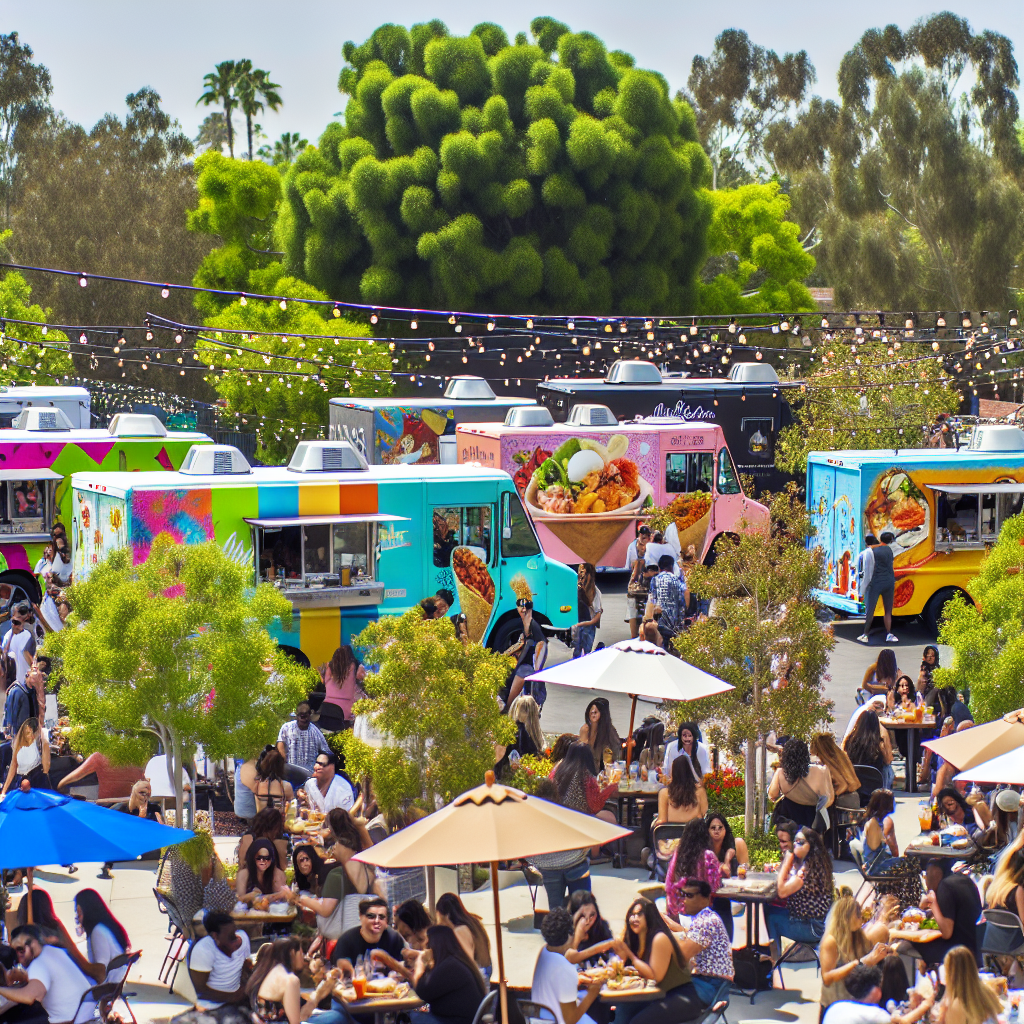
In recent years, the food truck phenomenon has exploded in popularity, serving up delectable meals on wheels to enthusiastic patrons across urban landscapes. This vibrant mobile culinary scene offers a unique dining experience that attracts food lovers, entrepreneurs, and event-goers alike. But as aspiring food truck owners step into this bustling market, they soon realize that choosing the right food truck model is not just about the vehicle itself; it’s a multifaceted decision that requires careful consideration.
When embarking on this culinary adventure, three pivotal factors come into play: menu, location, and budget. The menu determines the type of food you wish to serve, which directly influences the kind of food truck you’ll need. Strategic location choices can make or break your success, as foot traffic and visibility are essential for attracting customers. Additionally, your budget will guide you in selecting the ideal truck, as options range dramatically in cost, from compact trailers for under six thousand dollars to fully equipped step vans exceeding one hundred thousand.
Navigating these considerations is crucial for any food entrepreneur aiming to carve out their niche in this exciting and competitive industry.
User Adoption Data in the Food Truck Industry
As of 2023, the U.S. food truck industry has seen substantial growth, with approximately 36,324 food trucks operating across the country. This marks a notable 9.9% increase from the previous year, showcasing the continued popularity of food trucks as a viable business model. A significant driver of this growth is the millennial demographic, particularly individuals aged 25 to 44, who contribute 43% of monthly spending on food trucks. In addition, 20% of spending comes from patrons under the age of 25, indicating a strong interest in mobile dining experiences among younger generations.
The appeal of owning a food truck lies not only in its entrepreneurial potential but also in the flexibility it offers. Food truck operators can adapt their locations and menus quickly, allowing them to cater to various customer preferences and events. This adaptability is essential in the dynamic landscape of the food service industry, where trends and consumer tastes are continually evolving. Moreover, entering the food truck business often requires a lower initial investment compared to traditional brick-and-mortar establishments, making it an attractive option for aspiring restaurateurs. Owning a food truck represents both a practical business model and a flexible lifestyle choice, aligning with the desires of many modern entrepreneurs.
| Food Truck Model | Cost Range | Size (Length/Width) | Ideal Use Cases |
|---|---|---|---|
| Step Vans | $30,000 – $100,000 | 16′ – 26′ / 7′ | High volume food service locations |
| Cargo Vans | $44,000 – $46,000 | 10′ – 14′ / 7′ | Small menu, delivery & catering |
| Trailers | <$6,000 – $30,000 | 8′ – 20′ / 6′ – 8′ | Festivals, pop-ups, and farmer’s markets |
Summary
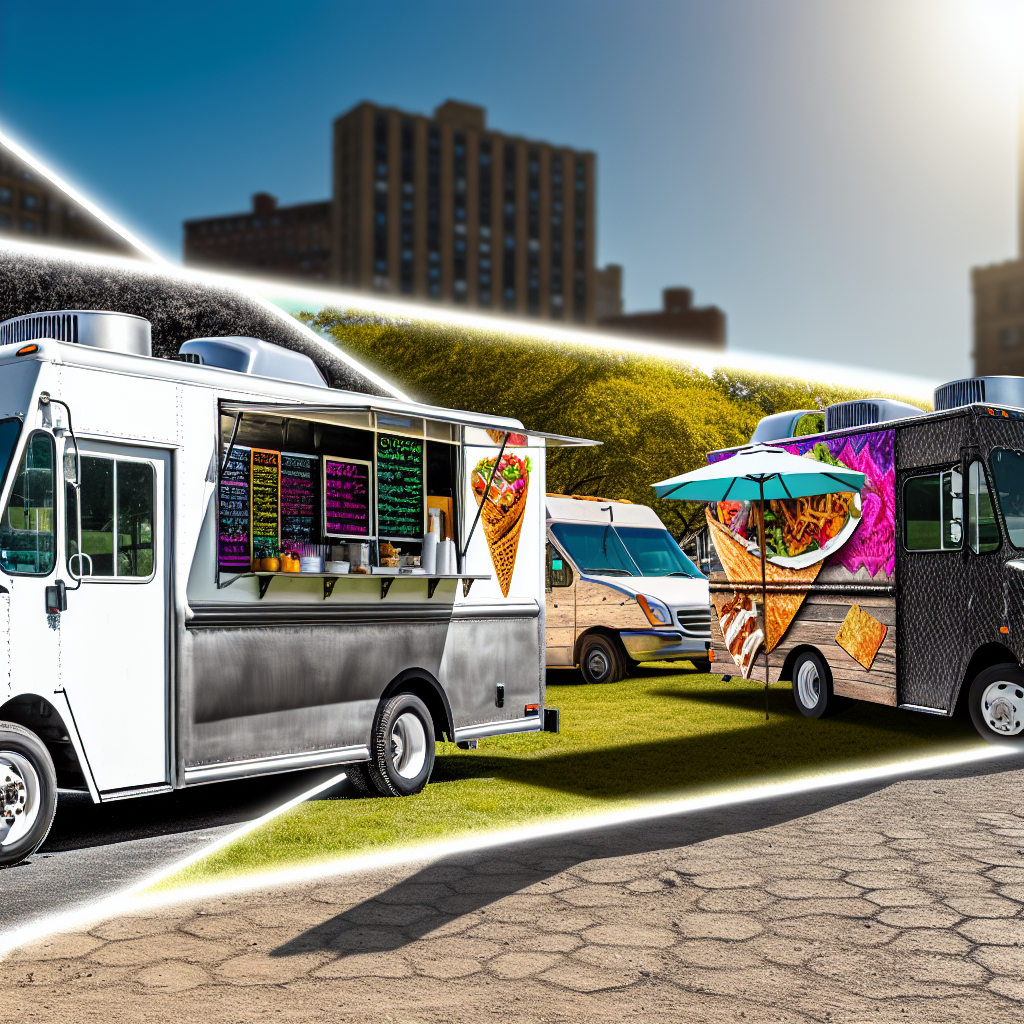
Step vans are excellent for high-volume service due to their larger size and equipment capacity, making them ideal for popular food spots. Cargo vans, such as the Ford Transit and RAM ProMaster, are versatile for smaller operations and efficient maneuverability at catering events. Trailers offer the lowest entry cost and are perfect for festivals and mobile pop-up dining, but they require a vehicle for towing, which can complicate logistics.
Each model has unique advantages depending on the type of service, location, and budget aspirations of food truck entrepreneurs.
The Importance of Menu Selection
When launching a food truck, the menu is arguably the most critical aspect to consider. It defines the culinary identity of the business and influences the choice of food truck model. The type of cuisine and popular menu items dictate essential factors such as:
- Equipment needs
- Space requirements
- Overall efficiency in food preparation and service
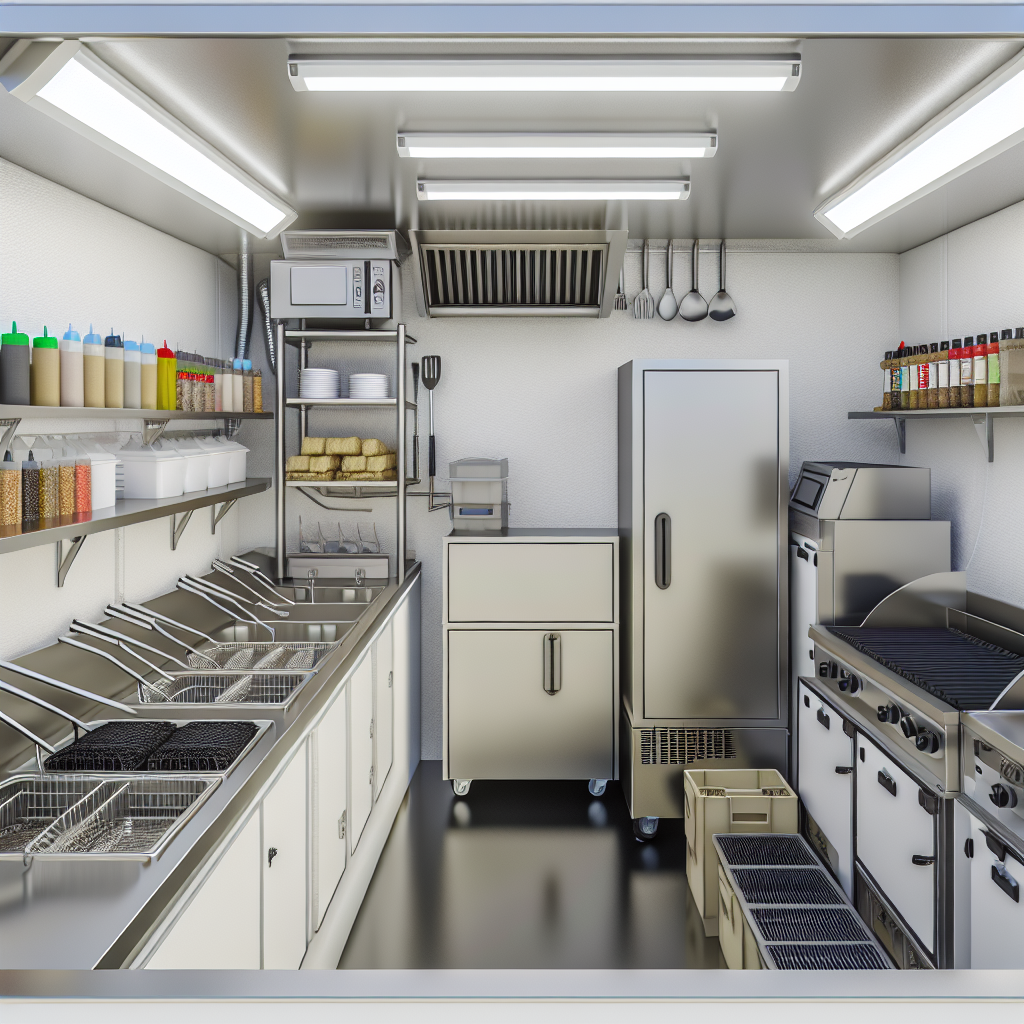
For instance, food trucks specializing in gourmet burgers typically require specialized cooking equipment such as:
- Griddles
- Fryers
- Warming stations
This equipment takes more space and can impact the truck layout. Therefore, opting for a larger model, like a step van, might be necessary for burger-centric menus, allowing for efficient workflow and customer service during busy periods.
On the other hand, trucks that offer simpler, quicker items such as tacos may thrive in a compact space. A cargo van, easier to maneuver in crowded urban settings, can sufficiently accommodate equipment like stovetops and prep stations. This allows for a streamlined operation without excessive space needs, making it ideal for high-traffic venues.
Modern trends, such as vegan or health-conscious menus, also impact equipment choices. If the menu highlights fresh juices or smoothies, blenders and cold storage become priorities, necessitating modifications in the truck for proper electrical supply and refrigeration. This may lead operators toward specific food truck models.
Additionally, ethnic cuisines—like Mediterranean, Indian, or Korean BBQ—often require unique cooking methods and dishes that must be kept at different temperatures, stressing the need for appropriately equipped trucks. Customization becomes significant as owners might look for models that support specialized setups for grilling, steaming, or showcasing unique food presentations.
In conclusion, the food truck menu is foundational in deciding not just what food is served but also what type of truck can effectively deliver that food. Understanding this connection helps food truck entrepreneurs choose the right vehicle to promote their culinary vision while ensuring operational efficiency and customer satisfaction.
Location Considerations for Food Truck Operation
Choosing the right location for a food truck is pivotal for its success, influencing everything from daily sales to brand visibility. Here are some key considerations when evaluating potential locations:
High-Footfall Areas
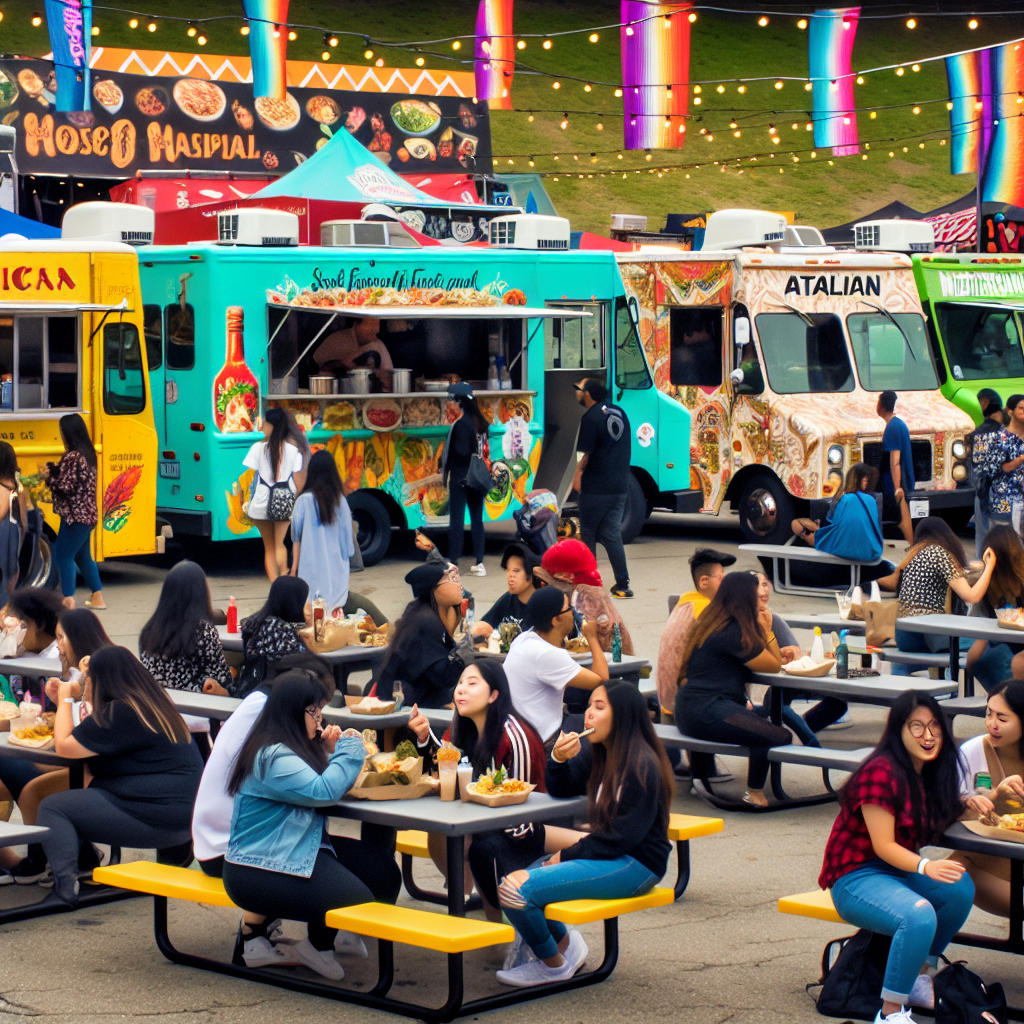
High-footfall areas are hotspots where potential customers congregate. Ideal locations include business districts during lunch hours, college campuses, entertainment venues, and event centers. For example, setting up near construction sites can also attract workers during meals. Using social media to announce the truck’s daily location can drive traffic and build a loyal customer base.
A 2023 guide from FoodTruckEmpire emphasizes the significance of identifying these bustling spots—not just from anecdotal experience but also from data-driven insights. If you want your food truck to thrive, researching the busiest times and zones is crucial.
Understanding Local Regulations
Navigating local regulations can be daunting. Different cities impose varying permits and zoning laws that can either support or hinder food truck operations. The International Journal of Hospitality Management noted that cities with flexible regulations often see a higher density of food trucks and revenue potential. Entrepreneurs must familiarize themselves with local health department requirements, parking regulations, and vending restrictions. For comprehensive information, refer to Food Truck Laws and Regulations by State.
For instance, cities like Austin and Portland provide favorable regulations that encourage food truck growth with dedicated parks, while cities like Boston and Chicago may impose strict rules that can limit operational success. Understanding these regulations before committing to a location is vital for operational viability. For further insights, check the Mobile Cuisine article on food truck regulations in major US cities.
Targeting Events and Festivals
Participating in events and festivals can be a lucrative strategy for food truck owners. Music festivals or culinary fairs often yield higher per-customer spending due to increased engagement and motivation to spend.
A strategy article from Mobile Cuisine Magazine recommends conducting thorough research on the demographics and expected foot traffic of events to tailor menus accordingly. Developing a festival-specific menu that allows for quick preparation also enhances profitability. Establishing connections with event organizers can provide a strategic advantage, securing prime spots during high-traffic events.
Urban vs. Suburban Considerations
Deciding whether to operate in urban or suburban environments also affects location strategies. Urban settings typically have high foot traffic but come with increased competition and tighter regulations. Conversely, suburban markets might be less saturated, requiring stronger marketing efforts to draw in customers.
As highlighted in a Harvard Business Review analysis, successful food trucks often capitalize on the characteristics of their surrounding demographics. For instance, food trucks in industrial parks can cater to lunchtime crowds, while those near sports complexes can attract family-oriented diners during weekends.
Conclusion
In summary, strategic location considerations are fundamental for food truck entrepreneurs aiming for success in a competitive landscape. By targeting high-footfall areas, understanding local regulations, and strategically participating in events, food truck operators can significantly enhance their operational viability and revenue potential.
Conclusion
Choosing the right food truck model is an integral part of launching a successful food truck business. Entrepreneurs must consider several key factors to align their choice with their specific business goals and the preferences of their target customers. First, the food truck’s menu is paramount; it not only dictates the necessary equipment but also influences the overall design and size of the truck needed to serve the menu effectively.
Secondly, selecting a strategic location plays an essential role in driving foot traffic and maximizing sales potential. Lastly, understanding the budget constraints and the range of food truck models available—from step vans for high-volume services to compact cargo vans and trailers—enables entrepreneurs to find a fitting solution for their operations.
Ultimately, success in the food truck industry is about finding the right balance between menu offerings, location strategies, and practical investments. By thoughtfully evaluating these aspects, food truck owners can develop a mobile culinary experience that resonates with their customers and stands out in the competitive market, paving the way for a flourishing enterprise.
Expert Insights on Choosing the Right Food Truck Model
The process of selecting the ideal food truck model can be daunting, and the following quotes from industry experts and food entrepreneurs provide valuable insights:
-
Tiffany Toney, from Mobile Cuisine Magazine, emphasizes, “The biggest mistake new operators make is choosing a truck based on looks rather than functionality. You need to match your equipment layout to your menu first, then find the vehicle that can accommodate it. A custom-built truck might cost more upfront but will save you thousands in modifications later.”
Read more here -
According to Carlos Mendez, a veteran food truck operator, “Newcomers often underestimate the importance of local regulations when choosing their truck model. In some cities, trailer-mounted kitchens face more restrictions than self-contained trucks. Always check your local ordinances before investing.”
Find details here -
Mark Johnson, an industry consultant from Food Truck Empire, suggests, “I’ve seen too many operators choose oversized trucks that can’t navigate urban environments or fit in popular vending locations. Your truck should be sized for your target market, not your ego. Start with a used step van; they’re affordable, reliable, and easier to maintain than custom builds for your first year in business.”
Explore his insights here -
Maria Rodriguez, owner of ‘Taco Maria,’ shares, “I chose a custom-built truck because I needed specific equipment for authentic tortilla-making. It was more expensive upfront, but the efficiency pays off every day. Don’t just look at the price—think about your menu’s demands.”
Learn from her experience here -
James Chen, founder of ‘Bao Now,’ reminds fellow food entrepreneurs, “I bought a used step van to save money, but the maintenance costs killed me. My advice: get a mechanic to inspect it thoroughly. A cheap truck isn’t cheap if it’s always in the shop.”
Read his full story here
These insights underscore the necessity of carefully evaluating practical needs, local regulations, and long-term business sustainability when selecting a food truck model. By heeding the experiences and advice of those who have navigated the complexities of this industry, aspiring food truck owners can make more informed decisions that better align with their operational goals and culinary visions.
Key Insights on Food Truck Operation Locations
- High-Foot Traffic Areas: Primarily operate in busy zones like business districts, college campuses, and event venues to maximize customer interaction.
- Local Regulations: Understand city-specific regulations as they can significantly impact operational viability.
- Event Participation: Engage in local events and festivals for potential high sales volumes and increased visibility.
- Urban vs. Suburban: Urban areas provide high foot traffic but feature fierce competition; suburban areas might be less saturated but require creative marketing strategies.
- Social Media Utilization: Use social media platforms to announce daily locations, attracting a dedicated customer base.