In recent years, food trucks have surged in popularity, transforming the culinary landscape and appealing to food enthusiasts everywhere. Whether serving gourmet tacos, artisanal ice cream, or vegan delicacies, these mobile kitchens offer diverse dining experiences that cater to the tastes and preferences of the public.
The opportunity to own a food truck is enticing, yet it comes with its own set of challenges, especially concerning legal considerations. Understanding the necessary regulations, permits, and licenses is crucial for anyone looking to navigate the exciting yet complex world of mobile cuisine. Ignoring these facets can lead to unforeseen obstacles that can hinder your entrepreneurial journey.
As the saying goes, “A stitch in time saves nine, so seeking legal advice early is wise.” Addressing legal matters at the outset not only helps in averting future issues but also provides a solid foundation from which your food truck can thrive.
In this guide, we will explore the essential legal steps necessary for launching your food truck successfully.


Business License
You need a valid business license from your city or county. This document legitimizes your operation.
Health Department Approval
Local health department approval is vital for food safety. This involves:
- Facility Inspection: Inspectors assess your truck for cleanliness and proper equipment.
- Food Safety Certification: Completion of a food safety course is often necessary for operators.
- Food Handler’s Permit: Some areas require all food prep staff to have this permit to ensure safe food handling.
Mobile Vending Permit
This essential permit allows selling food at specific locations. Note these regulations:
- Zoning Rules: Check local zoning laws to avoid parking or selling violations.
- Event Permits: Additional permits may be needed for events or temporary operations.
Sales Tax Registration
If required in your state, register with the revenue department to handle sales tax. You should:
- Collect tax from sales.
- Submit regular tax returns.
Additional Permits
You may need other permits, such as:
- Fire Department Permit: Necessary if using propane or flammable materials.
- Specialty Food Licenses: Depending on your menu, especially if serving alcohol.
In summary, researching local requirements and ensuring compliance is essential for your food truck’s success.
| Type of Permit | Purpose | Where to Obtain |
|---|---|---|
| Business License | Legitimizes your food truck operation | City or county office |
| Health Department Approval | Ensures compliance with food safety regulations | Local health department |
| Mobile Vending Permit | Allows you to sell food in designated locations | City or municipal office |
| Sales Tax Registration | Required for collecting and reporting sales tax | State revenue department |
| Fire Department Permit | Ensures safety regulations when using flammable materials | Local fire department |
| Specialty Food Licenses | Required for selling specific types of food, such as alcohol | State liquor control board or local regulations |
Obtaining the necessary permits to launch a food truck is a critical step in your entrepreneurial journey, and understanding the timeframe involved can help you plan effectively. Generally, the process takes around 4 to 8 weeks, but several factors can influence this timeline.
Average Timeframe
Most municipalities aim to issue food truck permits within this window, but it’s essential to keep in mind that various conditions can lead to delays. For example, in some larger cities like Los Angeles or New York, permit processing times can stretch to several months due to higher demand and more complex regulations. Initial estimates suggest that processing can take from 30 to 90 days on average, while more complicated situations might result in processing periods of up to 6 months.
Factors Affecting the Timeline
- Local Regulations: Every city has its specific rules and requirements for food trucks, which can affect how long it takes to process your applications. Some areas may have more streamlined processes than others.
- Completeness of Applications: Applications that are not filled out thoroughly or lack required documentation often face delays. Ensuring that all forms are accurately completed will help speed up the process.
- Government Efficiency: The efficiency of the local government can play a significant role. Some municipalities have increased staffing or resources focused on expediting permit processing, while others may experience backlogs, particularly during peak seasons.
- Required Inspections: Health department approvals and inspections are often necessary and can take additional time, particularly if there are scheduling conflicts or delays in the health department’s processing.
Given these factors, it is advisable to start the application process well in advance of your planned launch to account for potential delays and ensure a smoother journey into the food truck industry.
Food Truck Regulations
Food truck operators must navigate a diverse set of local regulations that can significantly impact their business operations. Here are some relevant examples:
1. Permits Required
Most municipalities require food trucks to obtain specific permits, including:
- Mobile Food Vending Permit: This permit allows the operation of the food truck in designated areas, with requirements that vary greatly by location. For instance, Denver charges $250 annually for a mobile food vehicle permit, while Los Angeles mandates separate permits for parking and vending.
- Health Department Certifications: Many cities enforce health regulations that mandate food safety inspections and certifications before trucks can operate. These certifications must comply with federal guidelines, ensuring food safety standards are met. According to the FDA Food Code Guidelines, food trucks must include potable water systems and proper waste disposal measures.
2. Zoning Regulations
Zoning laws are crucial to food truck operations, often specifying where trucks can operate. Many cities have enacted particular restrictions:
- Location Restrictions: In Los Angeles, for example, food trucks must maintain a distance of 500 feet from established restaurants, whereas in Austin, certain parks are designated as approved vending locations.
- Designated Zones: Some cities create specific zones that allow food trucks to operate without the usual distance restrictions, while in other locations, prior permission from property owners is required before setting up.
3. Health and Safety Standards
Food trucks must comply with health regulations that generally mirror those enforced in traditional food establishments. Local health departments may require regular inspections where food handling practices are scrutinized and letter grades assigned.
4. Operating Restrictions
Certain cities also impose operational restrictions, impacting the hours and methods of food truck sales:
- For example, San Francisco requires trucks in residential areas post 10 PM to use quieter electric generators, while local ordinances in Chicago mandate GPS tracking on food trucks for compliance purposes.
Conclusion
Understanding and adhering to local regulations is paramount for any food truck operator. Many factors, including the necessity of obtaining specific permits, health certifications, and compliance with zoning laws, play a crucial role in determining the success and legality of food truck operations. Ignoring these local laws can result in fines, operational delays, or even closure. For further details, a comprehensive guide on food truck permits and regulations is available through the National League of Cities, providing substantial insights into these critical aspects.

Potential Legal Pitfalls for Food Truck Owners
Starting and operating a food truck comes with a variety of legal challenges that owners must navigate. Understanding these potential pitfalls is crucial in ensuring compliance and avoiding fines, operational shutdowns, or even legal action. Here are some common legal pitfalls food truck owners might face, along with tips on how to avoid them:
1. Failing to Secure the Necessary Permits
One of the most common mistakes is not obtaining all required permits before launching your food truck. There are various permits needed, including a business license, mobile vending permit, and health department approvals.
Tip to avoid: Research your local laws thoroughly and compile a complete list of permits required in your area. Make sure to file for all necessary documentation well in advance.
For a detailed overview of necessary permits, refer to this comprehensive guide.
2. Not Meeting Health Codes
Health and safety regulations are stringent when it comes to food service. Food trucks must comply with local health codes or face fines and potential closure. Notably, health inspectors focus on food handling, storage temperatures, sanitation standards, and waste disposal procedures.
Tip to avoid: Make sure to have regular inspections and maintain detailed logs of compliance efforts. Completing a food safety certification course for you and your staff can also be beneficial.
Refer to the FDA guidelines for compliance specifics, including temperature control standards and waste management procedures.
3. Neglecting Zoning Regulations
Zoning laws dictate where food trucks can operate, and failing to adhere to these regulations can result in fines or removal from locations.
Tip to avoid: Investigate local zoning laws to understand where you can park and serve food. Obtain any necessary permissions from property owners when setting up in private spaces.
4. Failure to Maintain Insurance
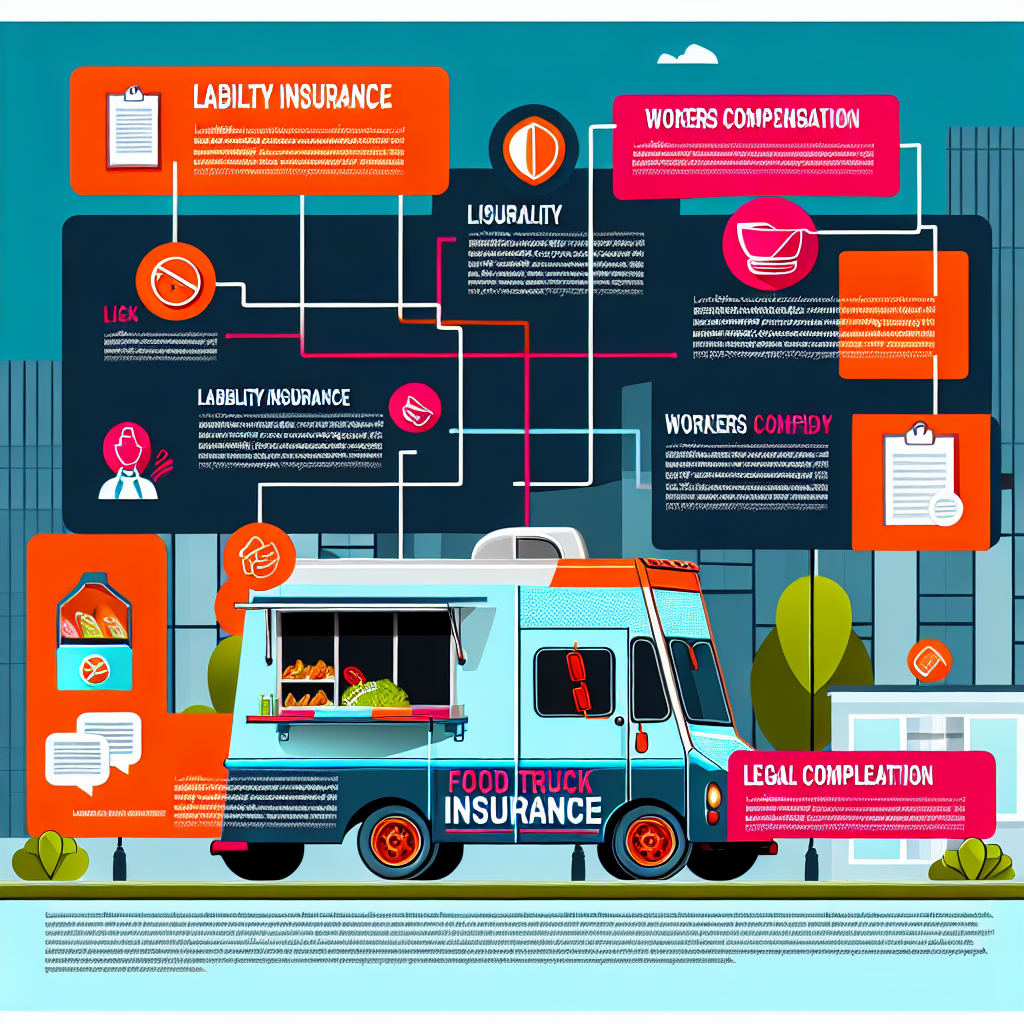
Operating a food truck without the appropriate insurance can put your business at risk. This can lead to significant financial consequences if accidents or lawsuits arise.
Tip to avoid: Secure suitable insurance policies, including general liability and workers’ compensation, to protect your business and employees. Check this article on 10 legal tips for comprehensive insurance recommendations.
5. Not Keeping Accurate Financial Records
Food trucks must manage sales tax properly and file the necessary tax returns. Many food truck owners slip up on financial documentation, which can lead to issues with tax authorities.
Tip to avoid: Implement a robust bookkeeping system to track sales, expenses, and taxes due. Engage an accountant familiar with food service businesses to ensure compliance.
Conclusion
Being aware of these common legal pitfalls can significantly influence your food truck’s success. By thoroughly preparing and understanding the local legal landscape, you can avoid significant setbacks and focus on delivering great food and service to your customers. For additional insights and legal advice tailored to food truck owners, refer to resources like NOLO and SCORE.
These critical considerations can be the difference between a thriving food business and one that struggles with legal hurdles.
Conclusion
Launching a food truck is more than just a thrilling venture into culinary entrepreneurship; it is a considerable commitment requiring careful planning, particularly regarding legal requirements. As we reflect on the quote, “By ticking off these legal boxes, you’re not just starting a business; you’re planting seeds in the bustling garden of entrepreneurship, ready to flourish with your passion and dedication,” it becomes clear that the path to success is not merely paved with creativity and delicious offerings but also with compliance and foresight.
Taking proactive legal steps will not only equip you with the necessary permits and licenses but will lay the groundwork for a sustainable business. Start by researching the laws in your area, consulting with local authorities, and perhaps seeking legal advice to ensure you’re covering all bases. This initial investment in understanding and managing legal obligations will pay dividends as you gather momentum in your food truck journey.
So, before you hit the road, take the time to align your food truck venture with legal standards. Whether it’s securing a mobile vending permit, ensuring health and safety compliance, or navigating local zoning laws, every step you take is a seed planted in the garden of your food truck business. Let those seeds grow and flourish into something beautiful and successful.
Take Action Today! Start by assessing what permits you need, drafting your business plan, and preparing to bring your culinary dreams to life legally and effectively. The time to act is now; your food truck empire awaits!
Additional Resources for Legal Requirements of Food Trucks
For those interested in understanding the legal requirements and regulations associated with operating a food truck, the following external resources can provide valuable insights:
-
Food Truck & Food Cart Laws & Regulations
- Source: U.S. Small Business Administration
- Summary: An official resource detailing federal, state, and local requirements for food trucks, including business registration, permits, licenses, health department regulations, and insurance requirements.
- Date: 2024-01-10
-
Food Truck Legal Requirements: A State-by-State Guide
- Source: NOLO Legal Encyclopedia
- Summary: A comprehensive guide covering state-specific legal requirements for food trucks, including permits, vehicle regulations, and sales tax obligations.
- Date: 2023-11-15
-
Mobile Food Vendor Regulations and Resources
- Source: FDA Food Code
- Summary: FDA guidelines focusing on food safety requirements and compliance for mobile food vendors.
- Date: 2023-09-22
-
How to Start a Food Truck Business: Legal Checklist
- Source: Rocket Lawyer
- Summary: A legal platform providing a checklist covering permits, insurance, and compliance requirements necessary for starting a food truck.
- Date: 2024-02-01
-
Local Health Department Requirements for Mobile Food Vendors
- Source: National Association of County and City Health Officials
- Summary: Resource hub for understanding local health regulations and best practices for mobile food vendors.
- Date: 2023-12-18
For more detailed information on operating a food truck legally, make sure to explore these resources thoroughly as they offer essential advice and guidance.
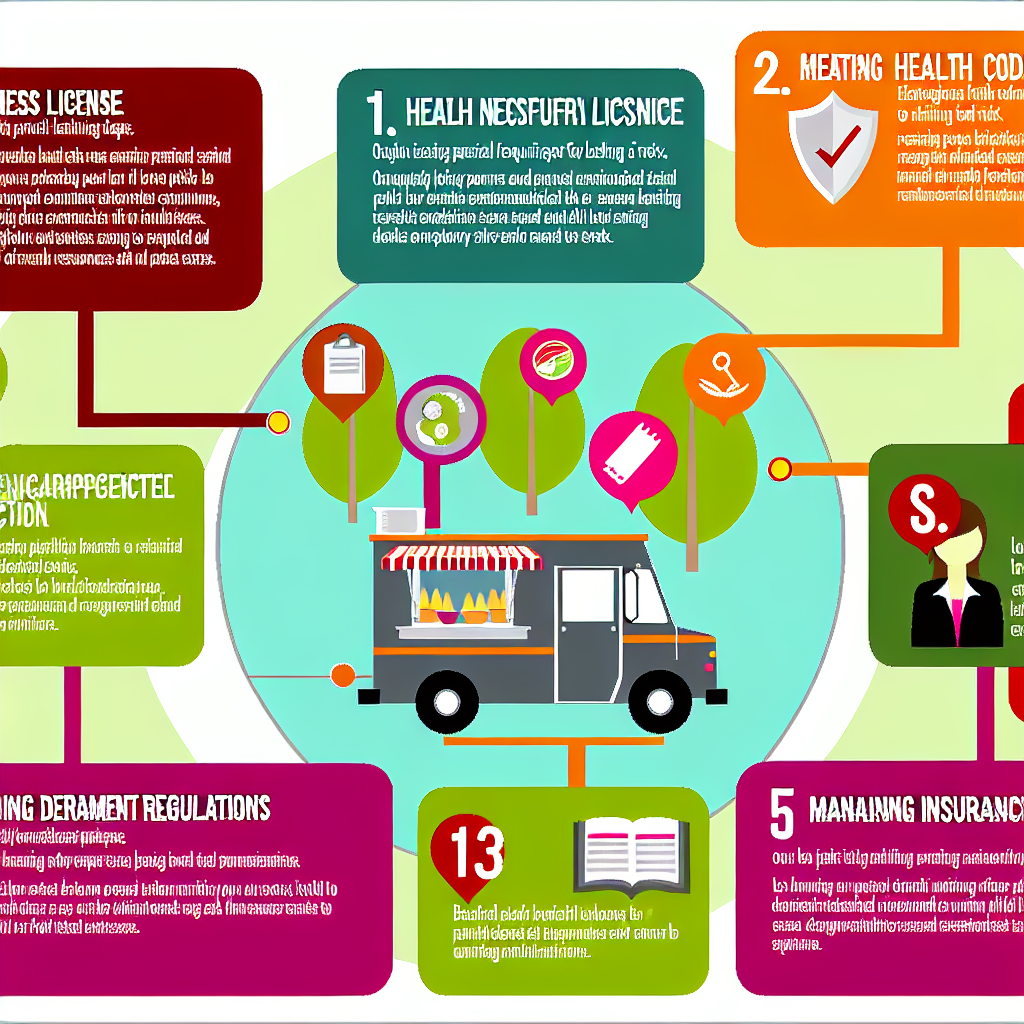
Key Legal Permits and Licenses Needed
Launching a food truck requires obtaining several key legal permits and licenses. Here’s a simplified overview:
Business License
You need a valid business license from your city or county. This document legitimizes your operation.
Health Department Approval
Local health department approval is vital for food safety. This involves:
- Facility Inspection: Inspectors assess your truck for cleanliness and proper equipment.
- Food Safety Certification: Completion of a food safety course is often necessary for operators.
- Food Handler’s Permit: Some areas require all food prep staff to have this permit to ensure safe food handling.
Mobile Vending Permit
This essential permit allows selling food at specific locations. Note these regulations:
- Zoning Rules: Check local zoning laws to avoid parking or selling violations.
- Event Permits: Additional permits may be needed for events or temporary operations.
Sales Tax Registration
If required in your state, register with the revenue department to handle sales tax. You should:
- Collect tax from sales.
- Submit regular tax returns.
Additional Permits
You may need other permits, such as:
- Fire Department Permit: Necessary if using propane or flammable materials.
- Specialty Food Licenses: Depending on your menu, especially if serving alcohol.
In summary, researching local requirements and ensuring compliance is essential for your food truck’s success. This not only involves permits but also understanding food truck insurance to protect your business from potential liabilities, which can vary significantly depending on local food truck laws.
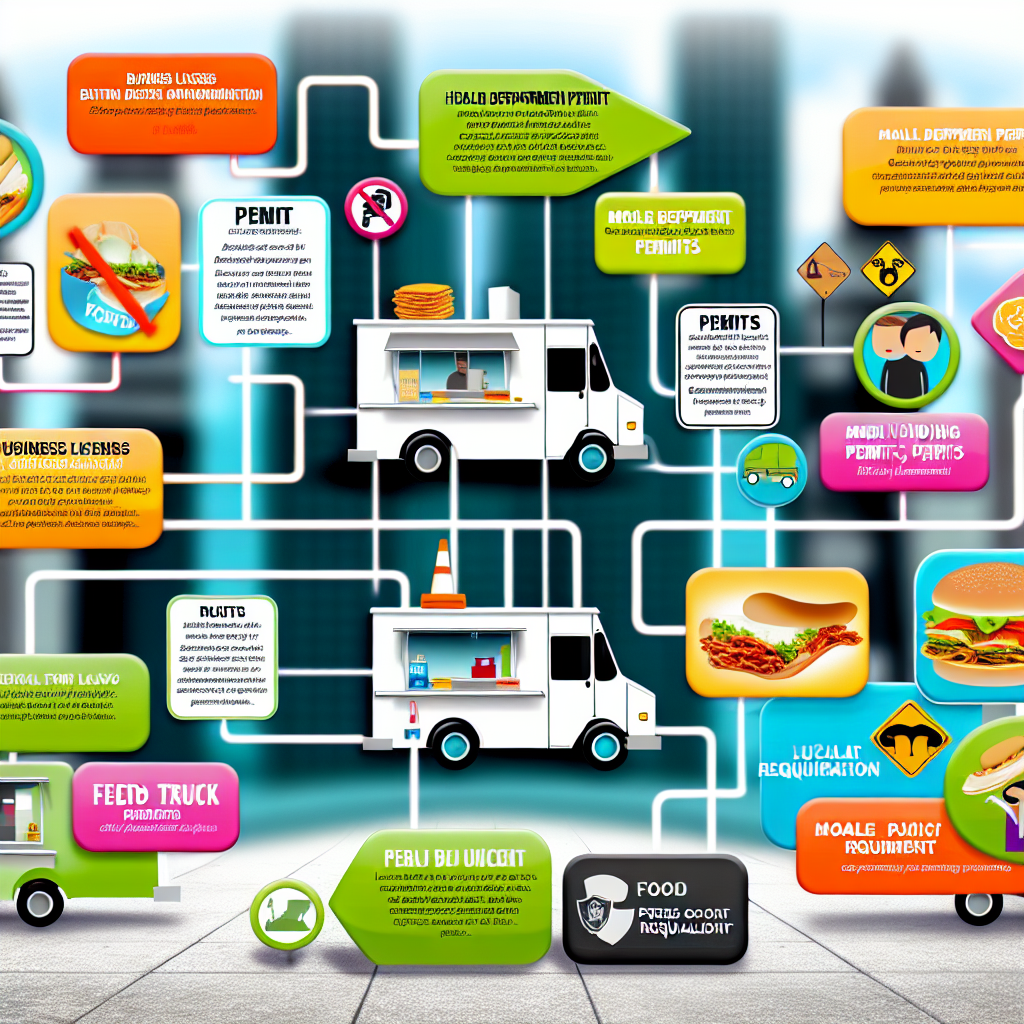
Local Regulations Impacting Food Truck Operations
Food truck operators must navigate a diverse set of local regulations that can significantly impact their business operations. Here are some relevant examples:
1. Permits Required
Most municipalities require food trucks to obtain specific permits, including:
- Mobile Food Vending Permit: This permit allows the operation of the food truck in designated areas, with requirements that vary greatly by location. For instance, Denver charges $250 annually for a mobile food vehicle permit, while Los Angeles mandates separate permits for parking and vending.
- Health Department Certifications: Many cities enforce health regulations that mandate food safety inspections and certifications before trucks can operate. These certifications must comply with federal guidelines, ensuring food safety standards are met. Compliance with local food truck laws is crucial here to avoid violations.
2. Zoning Regulations
Zoning laws are crucial to food truck operations, often specifying where trucks can operate. Many cities have enacted particular restrictions:
- Location Restrictions: In Los Angeles, for example, food trucks must maintain a distance of 500 feet from established restaurants, whereas in Austin, certain parks are designated as approved vending locations.
- Designated Zones: Some cities create specific zones that allow food trucks to operate without the usual distance restrictions, while in other locations, prior permission from property owners is required before setting up.
3. Health and Safety Standards
Food trucks must comply with health regulations that generally mirror those enforced in traditional food establishments. Local health departments may require regular inspections where food handling practices are scrutinized and letter grades assigned.
4. Operating Restrictions
Certain cities also impose operational restrictions, impacting the hours and methods of food truck sales:
- For example, San Francisco requires trucks in residential areas post 10 PM to use quieter electric generators, while local ordinances in Chicago mandate GPS tracking on food trucks for compliance purposes.
Conclusion
Understanding and adhering to local regulations is paramount for any food truck operator. Many factors, including the necessity of obtaining specific permits, health certifications, and compliance with zoning laws, play a crucial role in determining the success and legality of food truck operations. Ignoring these local laws can result in fines, operational delays, or even closure. For further details, a comprehensive guide on food truck permits and regulations is available through the National League of Cities, providing substantial insights into these critical aspects.