
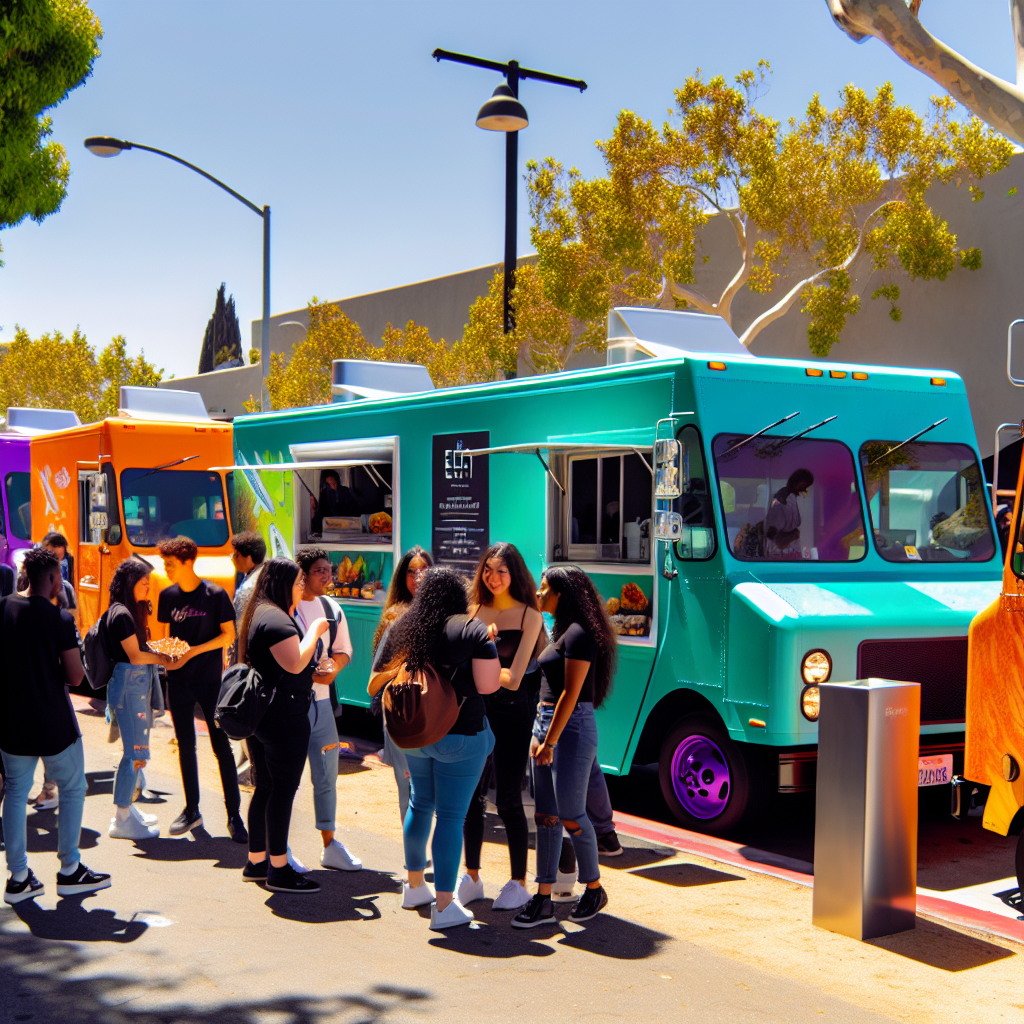
In the ever-evolving landscape of the food industry, maintaining your food truck is crucial for longevity and success. An exciting opportunity lies in the electric vehicle conversion, a trend rapidly gaining traction. By converting to electric, food truck owners can not only significantly reduce their operational costs over time but also embrace a more environmentally friendly model of business.
Unlike traditional gas-powered vehicles, electric trucks offer a host of benefits: lower maintenance requirements due to fewer engine parts, potential cost savings on fuel, and the ability to attract an eco-conscious customer base. Additionally, government incentives may make initial conversion costs more manageable.
Embracing this change is not merely an investment in your business; it is a step towards a more sustainable future for our planet. As you look forward, the choice to convert to electric can set your food truck apart and future-proof your business in an increasingly competitive market.
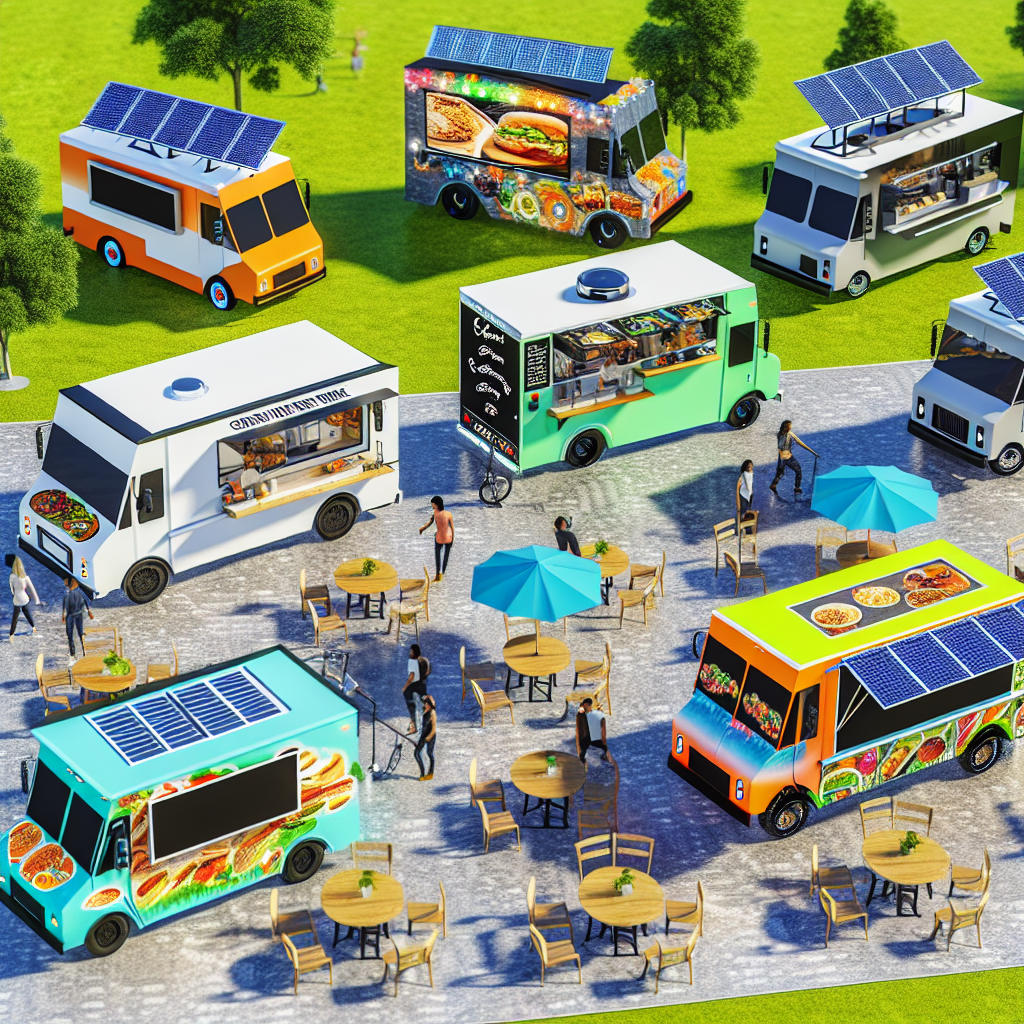
Converting to electric vehicles (EVs), particularly for food trucks, offers a multitude of benefits that can improve both sustainability and profitability. One of the most compelling advantages is long-term savings. Electric vehicles generally have lower operational costs compared to their gas-powered counterparts. With significantly reduced fuel costs, as electricity tends to be cheaper than gasoline or diesel, food truck operators can expect to see substantial savings over time. Additionally, electric vehicles require less maintenance since they have fewer moving parts and do not need oil changes, contributing even further to reduced operational costs.
Another significant benefit of electric vehicle conversion is the positive impact on emissions. By switching to electric, food truck owners can drastically lower their carbon footprint, appealing to an increasingly eco-conscious customer base. This reduction in emissions not only aids in combatting air pollution but also aligns with global efforts towards sustainability, making businesses more attractive to environmentally aware consumers.
Government incentives further sweeten the deal for electric vehicle conversion. Many local and federal programs offer financial support or tax deductions to encourage businesses to adopt green technologies. These incentives can offset the initial higher costs associated with purchasing electric vehicles or conversion kits, making the transition more financially feasible for food truck owners.
Overall, converting to electric vehicles equips food truck operators with a competitive edge in an evolving market. With lower operational costs, a commitment to reducing emissions, and access to government incentives, making the switch to electric is a savvy business decision that aligns with the future of environmentally responsible entrepreneurship.
| Maintenance Factor | Traditional Food Trucks | Electric Food Trucks |
|---|---|---|
| Engine Servicing | Requires regular oil changes and engine maintenance | Fewer engine parts; minimal servicing needed |
| Charging/Fueling | Gasoline or diesel refueling, available many locations | Charging takes 4 to 8 hours, depending on battery and charger type |
| Battery Replacement | No batteries to replace; fuel system issues can arise | Battery replacement needed, but modern EVs have long lifespans |
| Cost of Maintenance | Can be high due to engine components needing repair | Typically lower costs due to fewer moving parts |
| Emissions | Higher emissions contributing to pollution | Zero emission, friendly to environment |
Charging Infrastructure for Electric Food Trucks
Charging infrastructure is a critical component for the successful operation of electric food trucks, influencing factors such as operational efficiency, route planning, and overall profitability. In understanding this emerging landscape, it’s important to familiarize yourself with the different types of chargers available, their charging times, and the broader implications for food truck operators.
Types of Chargers
There are primarily two types of charging systems commonly utilized for electric food trucks:
- Level 2 Chargers: These chargers typically take between 4 to 8 hours to fully charge an electric food truck. They are suitable for overnight charging at dedicated locations and are a cost-effective option for operators with access to a stable overnight parking situation.
- DC Fast Chargers: These are designed for rapid charging, allowing trucks to charge to 80% in as little as 30 to 45 minutes. This is particularly beneficial for operators who need to top-up during busy shifts in high-demand areas. It’s crucial, however, to consider the electricity costs associated with these fast chargers, which might be higher compared to traditional fuel options.
Charging Times and Implications
As food trucks depend heavily on reliable charging processes during operations, understanding charging times can significantly impact planning. One expert emphasizes, “Charging an electric food truck typically takes between 4 to 8 hours, depending on its battery capacity and the charger type.” For food truck owners, optimal operational downtime is essential. A report from the National Coalition for Electric Food Trucks recommends a structure where operators use level 2 chargers for overnight charging and DC fast charging for midday top-ups to maintain efficiency without compromising their service availability.
Strategic Planning for Success
Moreover, strategic planning regarding the locations of charging stations is imperative. Fleet managers assert the necessity of public-private partnerships to expand charging infrastructure in high-demand vending areas. As an industry thought leader noted, “operators should plan routes around charging availability,” ensuring they maximize service times while minimizing downtime.
In summary, the charging infrastructure for electric food trucks is vital for both performance and profitability. By investing in different types of chargers and understanding their implications, food truck operators can optimize their operations while contributing to a more sustainable future.
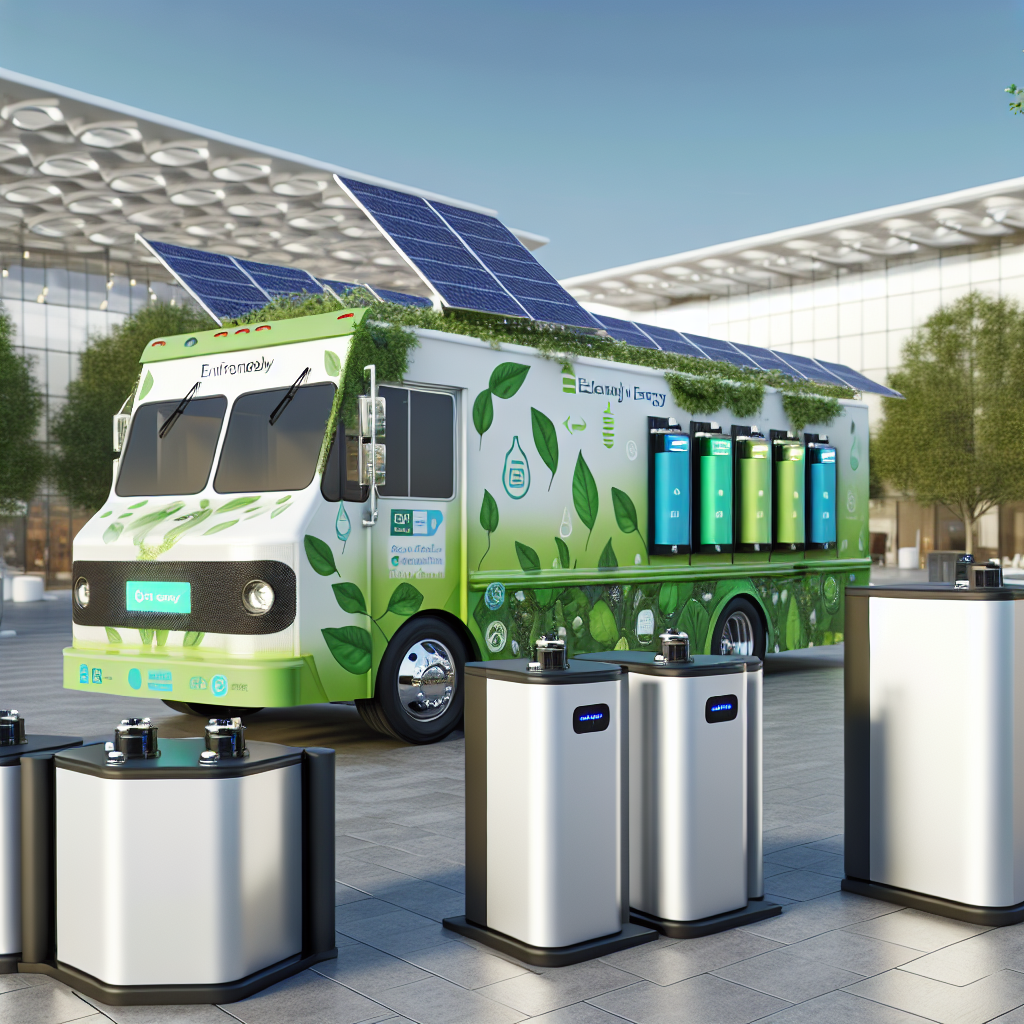
Government Incentives for Electric Food Trucks
Transitioning to electric food trucks not only offers operational savings but is also made more feasible through various government incentives aimed at reducing the financial burden for businesses. These incentives can significantly reduce the initial investment costs associated with purchasing or converting to electric vehicles.
Key Government Incentives
- Commercial Clean Vehicle Credit: Under the Inflation Reduction Act, food truck owners can benefit from a tax credit that covers a significant percentage of the costs involved in purchasing electric vehicles or converting existing trucks. For vehicles under 14,000 pounds, the credit can be as high as $7,500. IRS
- California’s HVIP Program: In California, the Hybrid and Zero-Emission Truck and Bus Voucher Incentive Project (HVIP) provides substantial financial assistance for the purchase of electric trucks, potentially saving operators between $20,000 and $315,000 based on the vehicle class. More information can be found at California HVIP.
- State-Specific Electric Vehicle Incentives: States like New York and Colorado offer additional grants, rebates, and tax credits beyond federal incentives, which can further support food truck electrification efforts. To explore what is available in your state, refer to the Department of Energy’s Alternative Fuels Data Center.
- USDA Rural Energy for America Program (REAP): This program assists rural small businesses, including mobile food vendors, by providing funding for renewable energy systems, which can encompass electric vehicle use as an energy efficiency improvement. Details are available at the USDA REAP program page.
By utilizing these incentives, food truck owners can significantly lower their upfront costs and maximize their investments in modern, efficient electric vehicles. In the long run, the combined savings on fuel and maintenance can lead to operational costs being 30-40% lower over time, allowing for a quicker return on investment.
In conclusion, maintaining your electric food truck not only enhances its longevity but also positions your business at the forefront of the industry’s shift toward sustainability. The future is electric and the immediate benefits are clear. Embrace this evolution today: enjoy lower operational costs, attract eco-conscious customers, and capitalize on government incentives. Make the leap now—transform your business and lead the charge in creating a sustainable food industry. Your electric future awaits!
Common Maintenance Tips for Electric Food Trucks
Maintaining electric food trucks requires a tailored approach to ensure efficient operation and longevity. Here are several practical tips:
1. Regular Battery Checks
- Inspect the battery system regularly.
- Look for signs of corrosion on terminals.
- Ensure all connections are tight.
- Consider a professional electrical check once a year for performance evaluation.
2. Monitor Charging Patterns
- Establish a routine charging schedule.
- Charge overnight using Level 2 chargers for optimal battery health.
- Avoid letting the battery discharge near zero to prevent damage.
3. Keep the Electrical System Clean
- Regularly clean battery housing, connectors, and wiring to prevent dirt accumulation.
- Be cautious during washing to avoid water entering electrical components.
4. Check Cooling Systems
- Ensure all cooling systems function effectively to prevent overheating.
- Inspect cooling fans and components regularly.
5. Brake and Tire Maintenance
- Check brake systems for wear and tear periodically.
- Inspect tires and maintain optimal pressure to improve energy efficiency.
6. Software and Firmware Updates
- Keep track of software updates from manufacturers.
- Regular updates can enhance efficiency and safety.
By following these maintenance practices, you can keep your electric food truck operational and minimize downtime and repair costs. Their unique systems benefit from attentive care, ensuring a smooth-running business.
Quotes and Testimonials from Electric Food Truck Owners
Here are some insightful testimonials from food truck owners who have made the switch to electric vehicles, showcasing their experiences and satisfaction:
-
Maria Rodriguez, LA-based Food Truck Owner
“The savings on fuel and maintenance are incredible. We used to spend $400 monthly on diesel – now we spend about $40 on electricity. The quiet operation means we can park in more locations, and customers appreciate that we’re not polluting the air while serving them.”
Source: Forbes
(2021-08-12) -
James Chen, Portland Food Truck Operator
“Converting to electric was the best business decision we’ve made. No more generator noise or fumes means we get invited to more events and farmers markets. The reliability has been outstanding – we’ve had zero breakdowns in our first year of electric operation compared to monthly issues with our old diesel setup.”
Source: Eater
(2022-05-18) -
Prakash Sharma, Owner of ‘Curry Up Now’ in San Francisco
“The electric conversion cost was significant upfront, but we’re seeing a 75% reduction in operating costs. We’re also eligible for California incentives that helped offset the cost. The ability to operate in zero-emission zones has opened up new revenue streams we couldn’t access before.”
Source: CleanTechnica
(2023-03-15) -
Various Food Truck Owners
“The instant torque makes driving in city traffic much easier. We’ve eliminated $300 monthly in generator fuel costs alone. Customers specifically seek us out because we’re electric and sustainable – it’s become a unique selling point for our business.”
Source: Food Truck Nation
(2023-01-10)
These testimonials reveal how converting to electric not only enhances sustainability but also generates operational savings and improves service capabilities for food truck owners.
In considering the transition from government incentives to common maintenance tips for electric food trucks, it is pivotal to recognize how these incentives not only ease the initial financial burden but also underscore the importance of maintaining these vehicles effectively. As more food trucks adopt electric models thanks to various government programs, the need for proper maintenance becomes increasingly vital.
The benefits of converting to electric food trucks, supported by compelling government incentives, lead to greater acceptance and diversity of electric vehicles in the food service industry. However, with this influx comes the responsibility of ensuring these trucks are kept in optimal working condition.
Regular maintenance helps prevent unforeseen breakdowns and extends the lifespan of electric food trucks. Therefore, understanding efficient maintenance strategies, alongside taking advantage of government grants and tax credits, empowers food truck operators not just to embrace electric technology but to excel in their operations, ultimately resulting in a sustainable business model. This synergy between incentives and maintenance best practices can pave the way for a new era in mobile food service that is eco-friendly and economically viable.
Revised Sections for SEO Optimization
SEO Title: Enhancing Your Electric Food Truck Business
Introduction
In the ever-evolving landscape of the food industry, maintaining your food truck is crucial for longevity and success. An exciting opportunity lies in the electric vehicle conversion, a trend rapidly gaining traction. By converting to electric, food truck owners can significantly reduce their operational costs over time and embrace a more environmentally friendly model of business. Unlike traditional gas-powered vehicles, electric trucks offer benefits: lower maintenance requirements, cost savings on fuel, and the ability to attract eco-conscious customers. Government incentives may make initial conversion costs more manageable. Embracing this change is an investment in your business and a step towards a more sustainable future for our planet.
Electric Vehicle Conversion Benefits
Electric Truck Conversion Benefits can significantly enhance your operational capabilities and lower your costs. Converting to electric vehicles, particularly for food trucks, offers multiple advantages. The Environmental Impact of Food Trucks is further improved by these conversions, appealing to an eco-conscious customer base. Electric vehicles generally have lower operational costs, with fuel savings and less maintenance needed due to fewer engine parts.
Government Incentives for Electric Food Trucks
Utilizing government incentives for electric food trucks helps lower the initial investment costs associated with purchasing or converting to electric vehicles. These involve various federal and state programs that support eco-friendly initiatives, thereby enhancing the financial feasibility of transitioning to electric.
Conclusion
Maintaining your electric food truck not only enhances its longevity but also positions your business at the forefront of the industry’s shift toward sustainability. The advantages are manifold: from reduced operational costs due to lower maintenance needs, fewer moving parts, and potential savings on fuel to the positive environmental impact resonating with today’s eco-conscious consumers. With government incentives easing the initial financial burden, transitioning to electric is a strategic move.
Resources for SEO Integration
To integrate electric truck conversion benefits into your headings, use keywords in H2 and H3 sections as per the recommended SEO practices:
- H2: “Benefits of Our Electric Truck Conversion”
- H3: “Reducing Environmental Impact: Our Commitment”
These placements in your content structure will not only improve your search visibility but also engage and inform your audience effectively.
Additional Resources
- How to Optimize Your Food Truck Website for SEO
- Sustainable Food Trucks: Marketing Your Eco-Friendly Practices
- Electric Food Trucks: A Sustainable Solution
- Clean Energy Solutions for Mobile Food Services
- The Rise of Electric Food Trucks: Environmental Benefits
Incorporating these keywords throughout your headings and sections will optimize the article for search engines, making it more attractive to readers and search algorithms alike.
Government Incentives for Electric Food Trucks
Transitioning to electric food trucks not only offers operational savings but is also made more feasible through various government incentives aimed at reducing the financial burden for businesses. These incentives can significantly reduce the initial investment costs associated with purchasing or converting to electric vehicles.
Key Government Incentives
- Commercial Clean Vehicle Credit: Under the Inflation Reduction Act, food truck owners can benefit from a tax credit that covers a significant percentage of the costs involved in purchasing electric vehicles or converting existing trucks. For vehicles under 14,000 pounds, the credit can be as high as $7,500. Recent IRS guidance made it clear that this applies to vehicles placed in service after December 31, 2022. For heavier vehicles, the credit can rise up to $40,000 depending on battery capacity requirements. IRS
- California’s HVIP Program: In California, the Hybrid and Zero-Emission Truck and Bus Voucher Incentive Project (HVIP) provides substantial financial assistance for the purchase of electric trucks, potentially saving operators between $20,000 and $315,000 based on the vehicle class. Vouchers can cover up to 65% of the incremental cost of electric vehicles compared to diesel counterparts. These vouchers are available at the point of sale and can significantly alleviate upfront costs. More information can be found at California HVIP.
- State-Specific Electric Vehicle Incentives: States like New York have their own incentive programs, offering grants, rebates, and tax credits for food truck operators to adopt electric vehicles. New York’s Truck Voucher Incentive Program (NYTVIP) provides incentives of up to $185,000 per vehicle, depending on weight class and battery capacity. NYTVIP.
- Federal Alternative Fuel Infrastructure Tax Credit: This tax credit covers 30% of the cost of alternative fuel vehicle refueling property, such as EV charging stations, up to $100,000 per property item. Food truck operators installing EV charging stations at their business locations can claim this credit, which supports both equipment and installation costs through 2032. The credit aids in offsetting the costs associated with setting up charging infrastructure.
By utilizing these incentives, food truck owners can significantly lower their upfront costs and maximize their investments in modern, efficient electric vehicles. In the long run, the combined savings on fuel and maintenance can lead to operational costs being 30-40% lower over time, allowing for a quicker return on investment.
Advancements in Battery Technology
In recent years, battery technology has made significant strides, enhancing the performance and feasibility of electric food trucks. Advances in lithium-ion and solid-state batteries are at the forefront of these improvements, offering longer life spans, faster charging times, and better safety features.
One of the most promising advancements in battery technology is the development of solid-state batteries, which utilize a solid electrolyte instead of a liquid one. This can achieve energy densities around 400 Wh/kg, providing a 50% improvement over conventional lithium-ion batteries. These batteries can operate in extreme temperatures, even down to -30°C, ensuring consistent performance regardless of weather conditions.
Additionally, modular battery designs are being adopted wherein batteries can be built from larger mosaic units. This allows for easy replacement and upgrading of individual modules without needing to change the entire battery pack. Such designs not only reduce maintenance costs but also enhance the throughput of battery replacements, optimizing operational efficiency.
Modular batteries suit food trucks that frequently access urban environments, as their operational needs may evolve. These designs decrease the downtime associated with battery failures and offer flexibility to operators facing changes in their delivery or service areas. Some manufacturers have even introduced battery packs that allow up to 1500 km of range with routine recharging, ensuring food trucks can operate throughout the day with minimal interruption.
Moreover, advancements in fast-charging technology have begun to reshape how electric food trucks recharge during operational hours. Current systems can provide a charge of 300 km in just 4 minutes, while 10-minute fills can reach up to 80% capacity for specialized charging networks. This substantial reduction in downtime empowers food trucks to maximize their service potential and reach a broader audience in bustling areas.
Overall, these advancements in battery technology not only enhance the operational capabilities of electric food trucks but also push the industry towards sustainable solutions that meet the growing demands of consumers.